Home » Do Lawn Grubs Eventually Go Away? Can I Apply Grub Killer Myself? Should I Mow Before Putting Down Grub Killer?
Get one of our team members to give you a call to discuss your project!
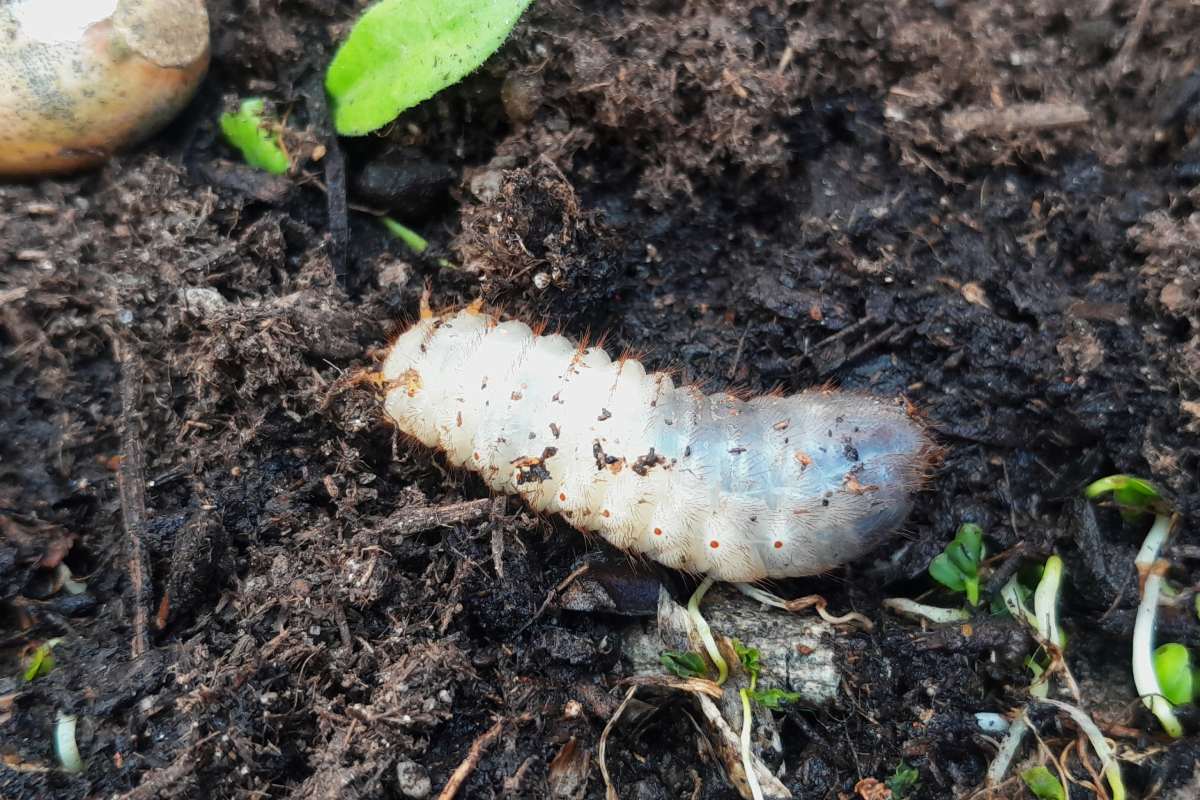
Lawn grubs are one of the most common reasons Australian lawns suddenly decline. One week your grass looks lush and healthy — the next, you’re dealing with brown patches, thinning turf, and sections that feel loose underfoot.
If you’ve discovered (or suspect) lawn grubs, you’re probably asking a few key questions:
Do they go away on their own? Can you treat them yourself? And what’s the correct way to apply grub control products?
In this guide, we’ll break it all down so you can protect your lawn and restore it to its best condition.
The short answer is: sometimes — but you shouldn’t rely on it.
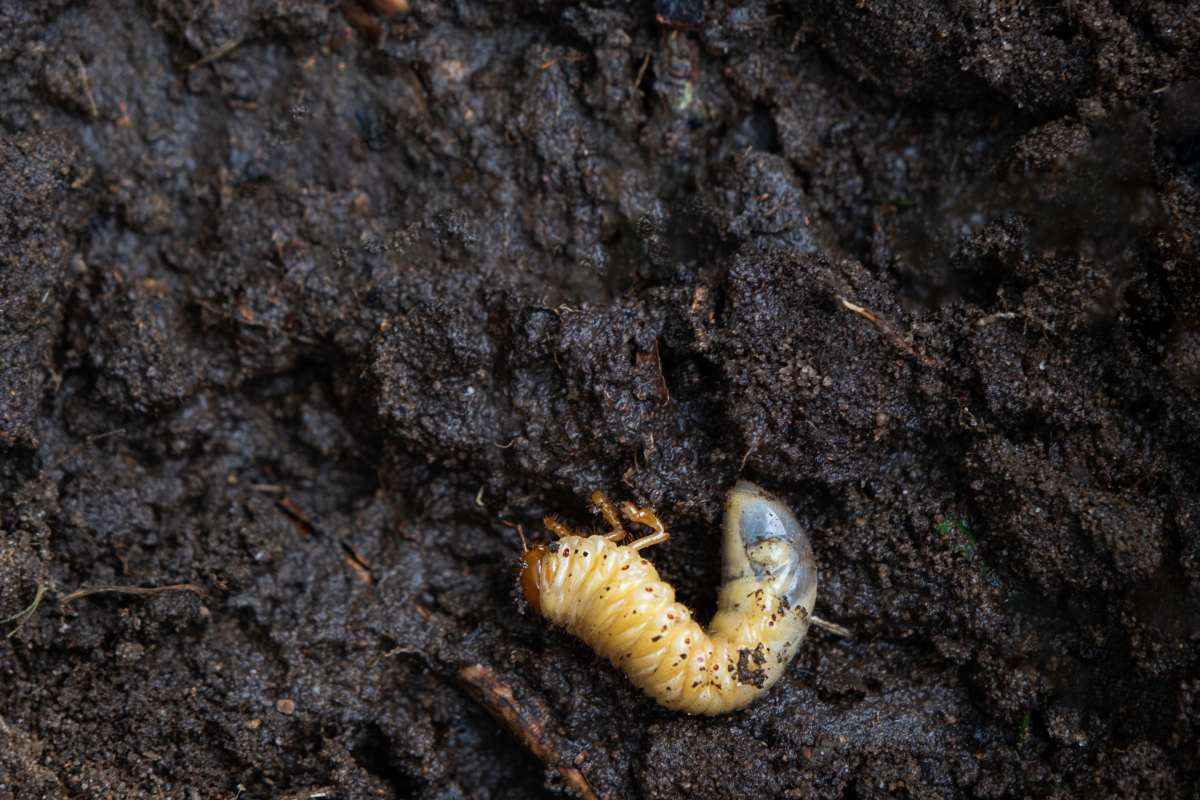
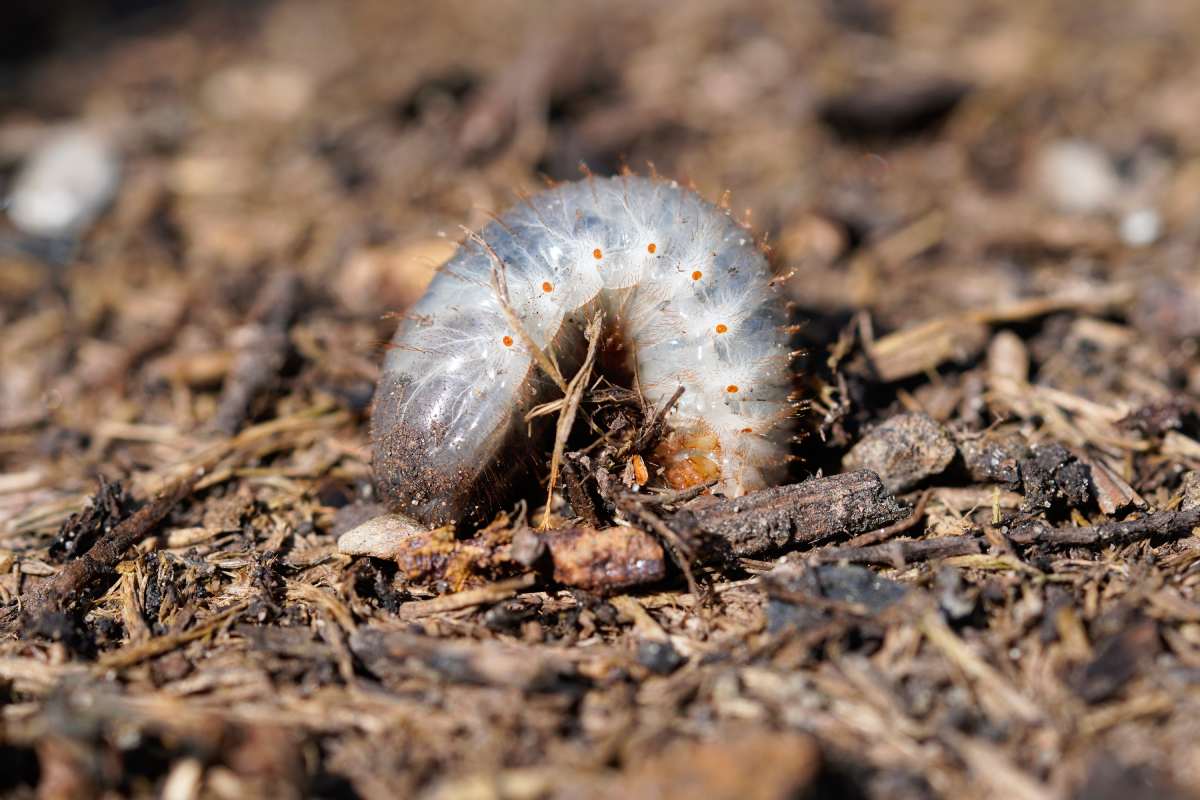
Lawn grubs are part of a natural life cycle. They hatch from eggs laid by beetles or moths, feed on your lawn, then eventually mature into adult insects and move on.
So yes, technically they “go away”… but not before causing damage.
While some small grub populations may decline naturally due to:
…this process is usually too slow to prevent lawn damage.
Grubs feed aggressively on grassroots, and by the time they disappear:
The biggest issue with waiting is that grub damage often gets worse before it gets better.
You might notice:
By the time the grubs naturally move on, you may be left with a lawn that requires extensive repair or even full returfing.
Yes — in most cases, you can absolutely apply grub killer yourself.
Many lawn grub treatments available in Australia are designed for DIY use and can be highly effective when applied correctly.
There are several options available, depending on your preference and the severity of the infestation:
Yes — but only if you follow the right steps.
DIY grub control works best when:
If any of these steps are missed, results may be limited.
While DIY is effective in many cases, you may want to call in experts if:
A professional can provide targeted treatment and advice to restore your lawn faster.
Yes — in most cases, you should mow your lawn before applying grub killer.
This is a simple step, but it can make a big difference in how effective the treatment is.
Mowing before application:
1. Improves Product Contact
Shorter grass allows the treatment to reach the soil more easily, where grubs live.
2. Ensures Even Distribution
Long grass can block or deflect granular or liquid products, leading to uneven coverage.
3. Enhances Absorption
It helps the product penetrate into the soil rather than sitting on top of the grass blades.
For the best results, follow this process:
Cut your grass to a normal mowing height (don’t scalp it).
Clear away heavy clippings to prevent blockage.
Spread evenly across affected areas (or the whole lawn if needed).
This step is critical — most grub treatments need water to move into the soil where grubs are feeding.
It’s best to avoid mowing immediately after applying grub killer.
Wait at least:
This allows the treatment to fully absorb and start working.
Get one of our team members to contact you and discuss your options!
Timing is one of the most important factors in successful grub control.
Grub treatments are most effective when applied:
Young grubs are:
Mature grubs, on the other hand:
Most grub treatments begin working within a few days, but visible results can take longer.
What to Expect:
Recovery depends on how much damage was done before treatment.
Once the grubs are gone, your lawn will need some care to bounce back.
Key Recovery Steps
In severe cases, patching or returfing may be necessary.
Prevention is always better than cure — especially with lawn pests.
Tips to Keep Grubs Away
A strong lawn is far more resistant to pest problems.
If your lawn is severely damaged or you’re unsure what pest you’re dealing with, it may be time to seek expert help.
A professional turf specialist can:
Lawn grubs typically live in the soil for several weeks to a few months, depending on the species and environmental conditions. During this time, they actively feed on grass roots before maturing into adult insects.
It’s best to apply grub killer to a dry or slightly damp lawn, then water it in afterwards. Applying during heavy rain can wash the product away and reduce effectiveness.
No, watering alone won’t eliminate lawn grubs. While proper watering helps lawn recovery, you’ll need targeted treatment to actually kill the pests.
Many modern grub control products are safe once applied and watered in, but it’s important to follow label instructions and keep pets and children off the lawn until it has dried.
For small infestations, spot treatment may be enough. However, if grubs are widespread or you want to prevent future outbreaks, treating the entire lawn is often recommended.
Lawn grubs don’t always stick around forever — but waiting for them to disappear naturally can leave your lawn in poor condition.
The good news is that most homeowners can successfully manage lawn grubs themselves with the right knowledge and timing.
If you’re unsure where to start or dealing with ongoing lawn issues, the team at A View Turf can help you choose the right turf and care strategies to suit Australian conditions.
A healthy lawn starts with the right approach — and a little proactive care goes a long way.
A View Turf