Home » Cheap Turf vs Premium Turf: Is It Worth It?
Get one of our team members to give you a call to discuss your project!
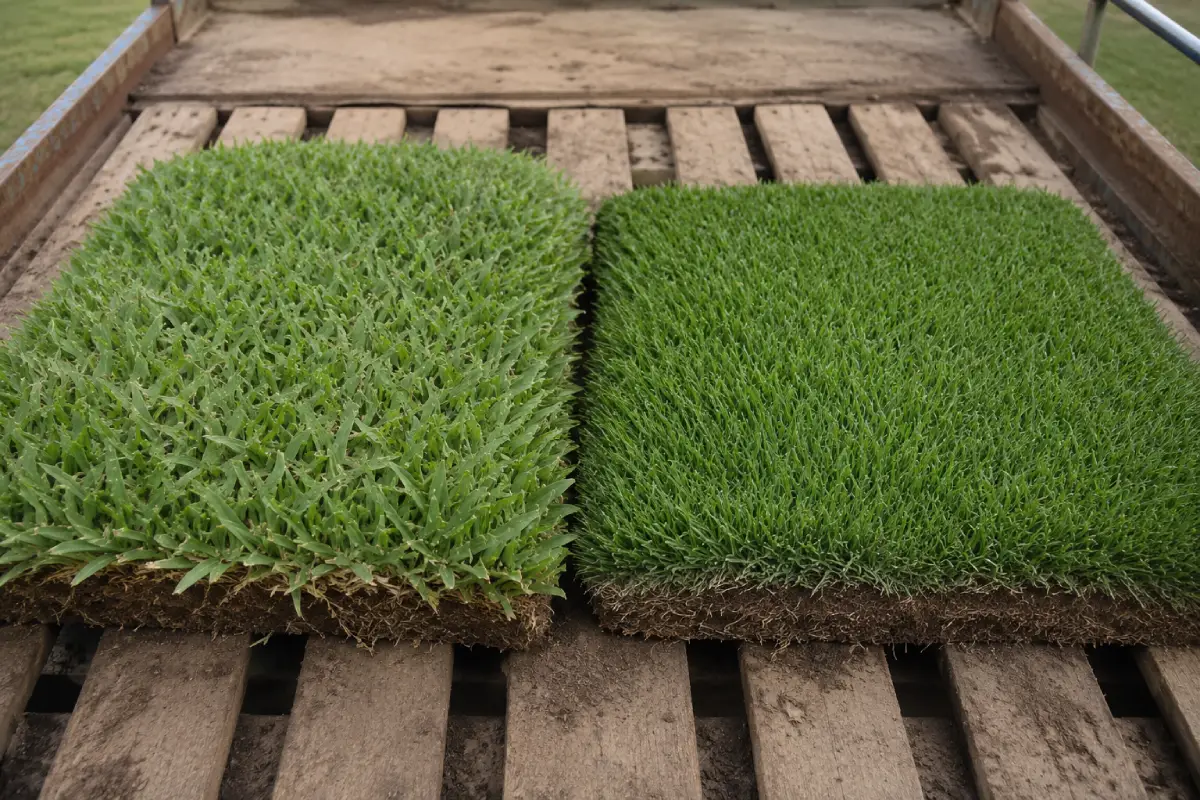
Short answer: On a 100 m² lawn, moving from our cheapest kikuyu up to a premium soft-leaf buffalo costs around $600 extra. That is less than the soil prep on the same job. So the upgrade is close to free money on a small or shaded lawn, and a genuine decision on a big sunny one. The thing never worth buying cheap is grade. A stale, weedy pallet is a bad deal at any price.
We have this conversation at the Wilberforce gate most weeks. Someone turns up holding a hardware-store bag in one hand and a quote from us in the other, wanting to know why the two numbers are so far apart.
Fair question. Here it is, minus the sales pitch.
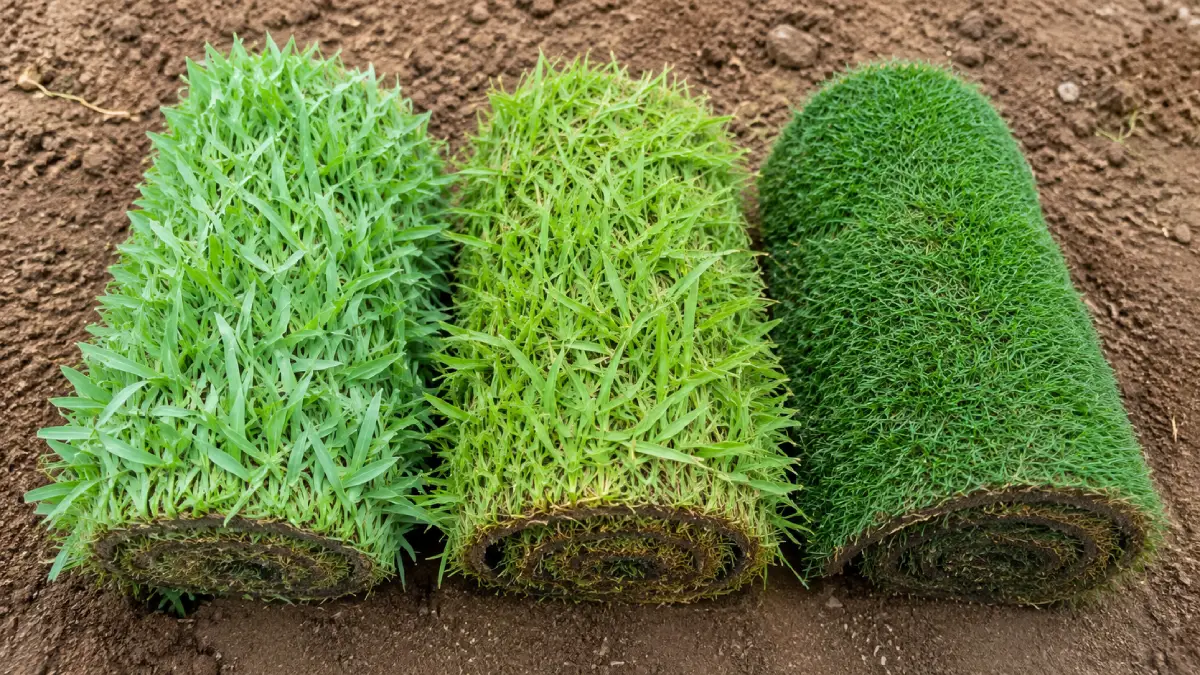
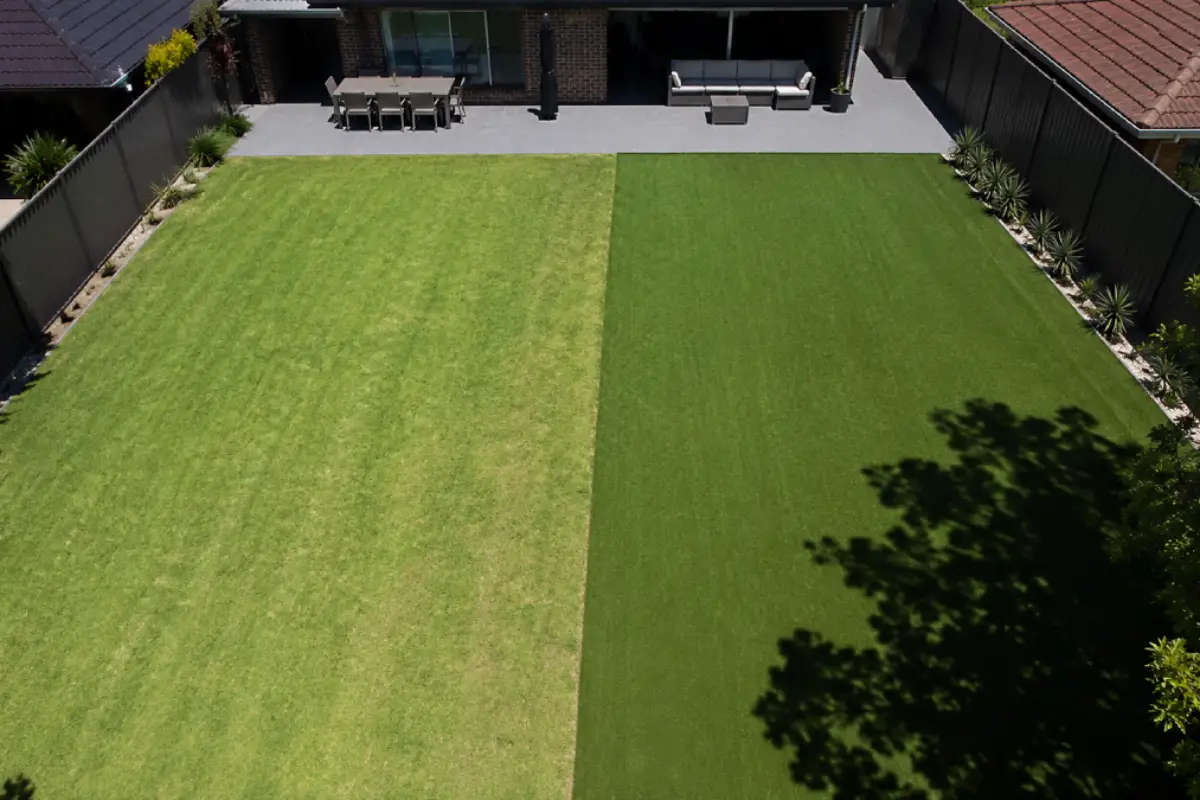
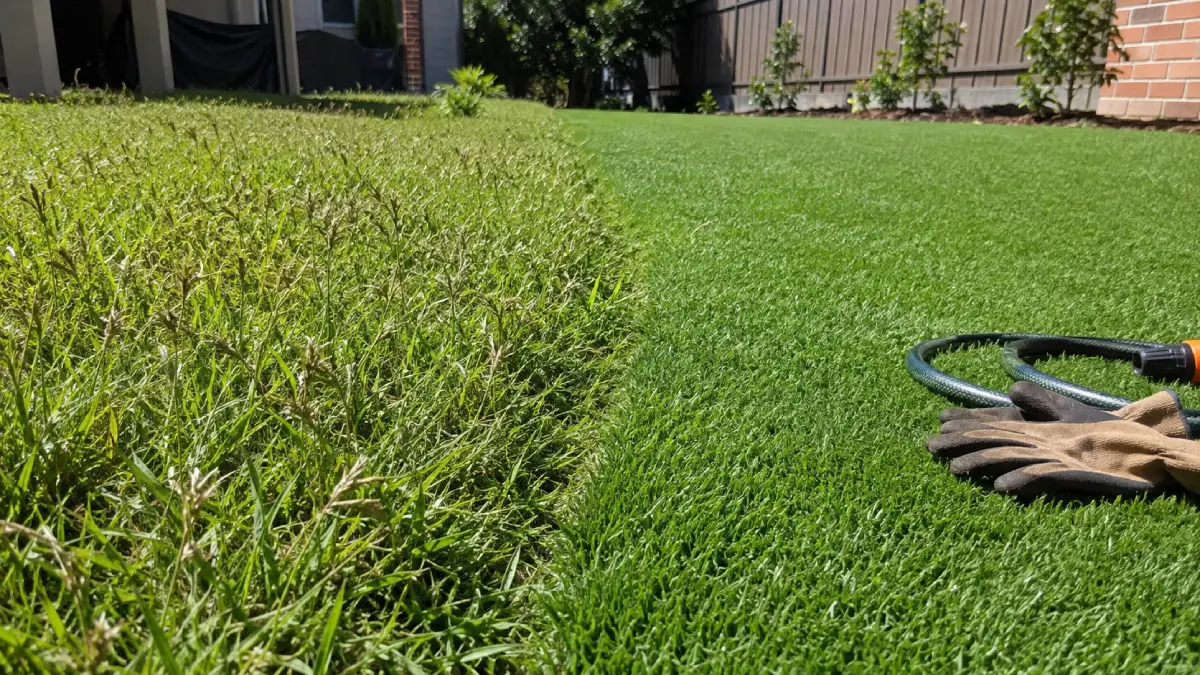
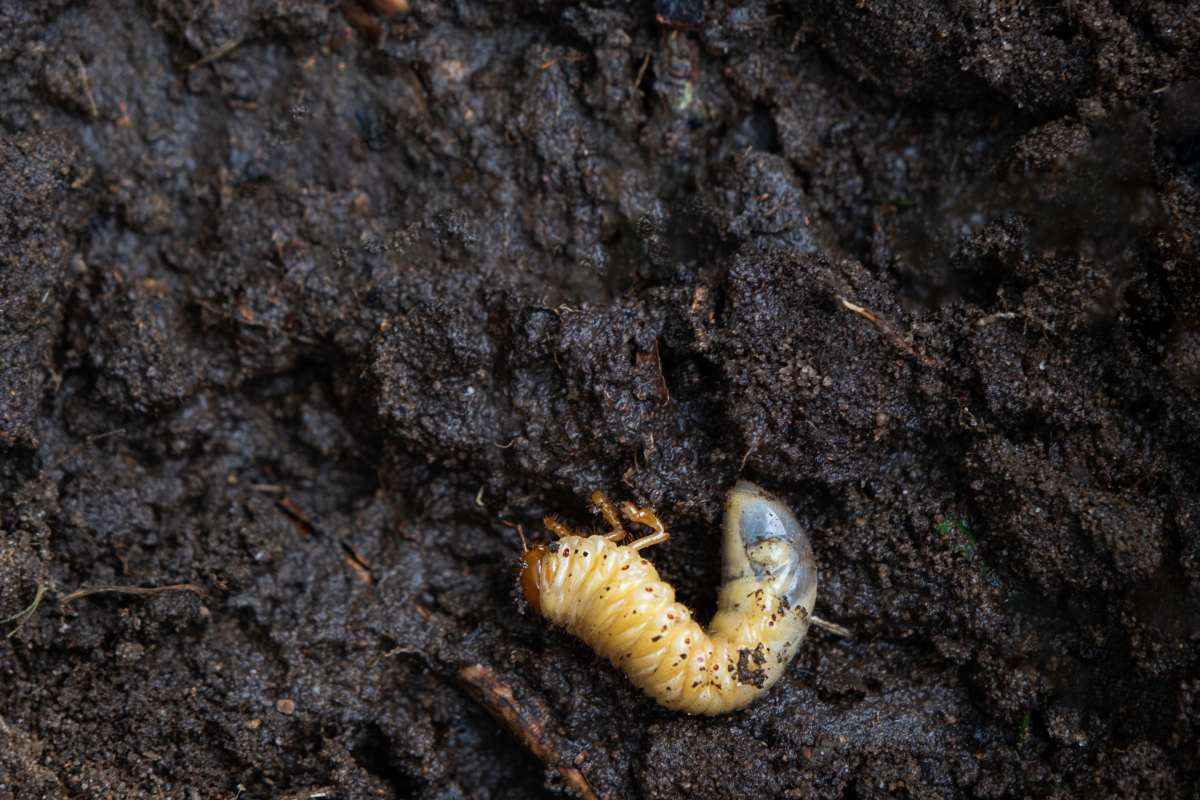
Rough supply prices you will see quoted around Sydney, cheapest to dearest. Prices move with season and order size, so grab a quote for real numbers on your job.
Turf
Roughly, per m²
Where it lets you down
Best for
Best for
~$8 to $12
Fastest self-repair of anything we grow
Poor in shade, invades garden beds, mow it constantly
Big open blocks, dog runs, backyard cricket
~$9 to $12
Finest leaf, sharpest looking lawn, very drought-hardy
Poor in shade, thins under heavy traffic, higher maintenance
Full-sun display lawns with light foot traffic
~$11 to $14
Buffalo shade tolerance at a mid-range price
Coarser leaf than the soft-leaf varieties
Shade on a budget
~$14 to $18
Up to 70% shade, soft underfoot, long track record
Slower to repair than Kikuyu
Family backyards with mixed sun and shade
~$15 to $20
Up to 85% shade, least thirsty buffalo, strong winter colour
Top of the price list
Deep shade, small lawns, barefoot areas
Now put it in a real quote. Ground prep runs from about $8 per square metre, laying from about $5.
The upgrade adds 30% to the turf line and about 15% to the whole invoice, because prep and labour do not budge. On a 400 m² block that same upgrade costs closer to $2,800, which is a real conversation rather than a rounding error.
Under about 150 m², buy the better variety. It is the cheapest quality upgrade in the entire job. Spend it there before you spend it on fancy edging.
Nearly every article on this topic mashes these together. Only one of them is an honest trade-off.
A cheaper variety
A cheaper variety costs less because it grows faster on the farm and reaches saleable density sooner. Lower production cost, lower price. Nothing inferior about it.
A cheaper variety
A cheaper grade of the same variety is the one to dodge. Two pallets can wear the same name and be wildly different products.
Look at our own variety ratings, and you will notice we score Kikuyu and Couch Poor for shade. That is not modesty. It is why we ask about your trees before we quote anything.
The difference hides in soil depth on the roll, root density, weed contamination, and how many days passed between harvest and your driveway. None of that appears in a price list.
A thin, three-day-old slab of premium buffalo will lose to a fresh, dense slab of kikuyu every time, and it usually costs more. Paying premium money for a poor grade is the only genuinely bad outcome in this whole article.
Two questions sort the grade issue in about ten seconds. When was it cut, and is it A-grade? Anyone harvesting to order answers both without pausing.
Get one of our team members to contact you and discuss your options!
Ranked by how often it happens, and it happens more than you would expect from people who sell turf.
Skip the upgrade if
the whole lawn gets full winter sun, the area is over 300 m², and durability matters more than the finish. Kikuyu is the right answer and we will happily tell you so.
Same treatment, ranked by how often each one actually decides the job.
Measure your worst-lit corner in June, not December. Winter sun sits far lower, and the midwinter shade map is the one your turf has to survive. We go deeper on this in Buffalo vs Kikuyu vs Couch.
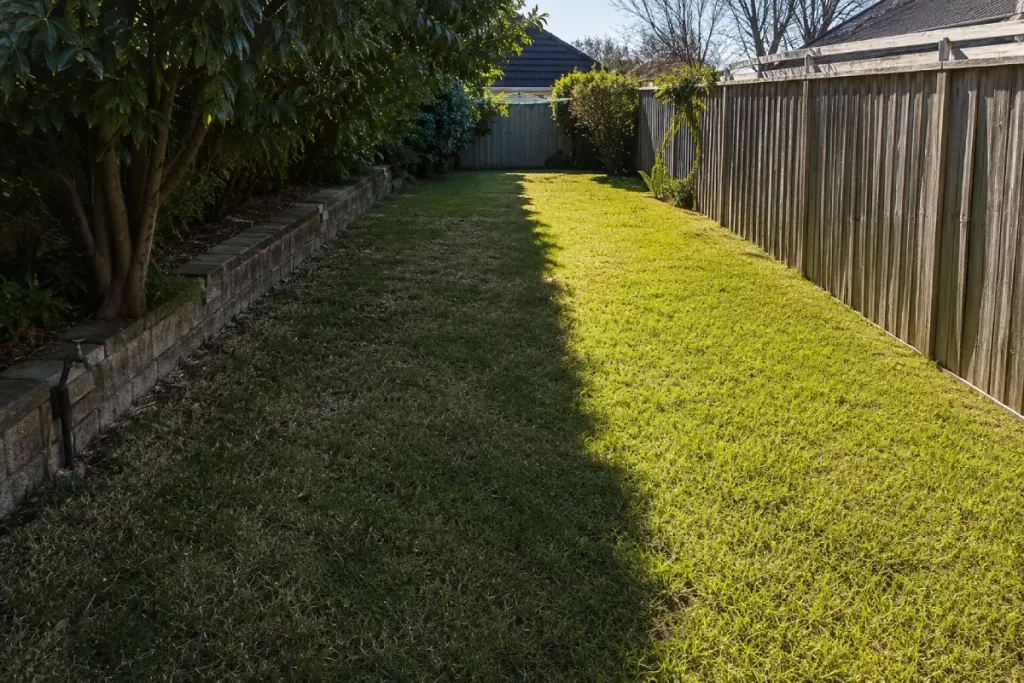
Four things decide whether your lawn takes. None of them cost extra from a grower doing the job properly, and none of them are visible in the price.
Turf starts dying the moment we cut it. Stacked on a warm pallet, heat builds outward from the centre and cooks the slabs, which we call pallet burn. On a hot day, it can start within 24 hours of harvest.
Those brown semicircles never recover, and growing over the gap takes months. It is why we cut fresh to order and run next-day delivery rather than holding stock.
Ask for the harvest date. Same day or next day. A vague answer is the answer.
Unroll a slab and look at the soil side. Dense white roots, even soil depth. Thin, crumbly slabs tear as you lift them.
Check the middle of the pallet, not the top. Pallet burn starts in the centre. Warm to the touch or smelling sour means it is done.
Hunt for seed heads. Any weed visible on the pallet is arriving at your place.
Ask why it is cheap. “It is a cheaper variety” is a great answer. “Clearance on last week’s cut” is not.
Watch out
Turf that has sat in a landscape yard for three days is not a bargain at any discount. If you cannot lay it the day it lands, read our DIY turf guide before you order, not after.
Get one of our team members to contact you and discuss your options!
The three that come up on the phone almost every week, with the answer we actually give.
Not automatically. A cheaper variety like kikuyu is a different grass with different strengths, not a worse product. A cheaper grade, meaning thin, stale or weedy turf, genuinely is worse. Price alone will not tell you which one you are being handed.
On a 100 m² Sydney lawn, roughly $500 to $700 more across the whole job, or about 15% of the installed price. Over 300 m² the gap climbs into the thousands. Our turf calculator will pin down your area first.
Sometimes, through less mowing, less water and fewer repairs. Only when the site suits it, though. Premium turf where cheap turf would have thrived saves you nothing.
We will not hand you one winner, because your neighbour with the same-sized yard and a big gum tree needs a different grass to you. Here is how we call it, and the reasoning behind each call.
We would say spend up if your lawn is shaded, small, or walked on barefoot. The reason is survival, not luxury: under 4 hours of winter sun, the soft-leaf buffalo is the only variety with a real chance. Under 150 m², the upgrade barely registers on the invoice anyway.
We would say save your money on large, open, full-sun blocks and on lawns you expect to wreck. The reason is that you would be buying shade tolerance you will never use. On a sunny 400 m² yard, Kikuyu is not a compromise; it is the better buy.
We would say no to cheap grade every single time. That one has no exceptions, because grade is not a trade-off, it is just a worse product. Fresh, weed-free, A-grade turf beats the name on the pallet, and a stale premium slab loses to a fresh budget slab.
All of which comes down to two numbers you can measure this afternoon: hours of winter sun on your worst patch, and total square metres. Nail those, and the price question mostly answers itself.
We grow the cheap stuff and the dear stuff at Wilberforce, and you are welcome to turn up and walk on all of it.
Tell us the area, how much winter sun the worst corner gets and what will happen on the lawn. We will tell you which one to buy, and if that is the cheap one, we will say so.
Call us on 1800 799 222 or get in touch with right side →
A View Turf