
Home » How to Prevent Weeds Before They Start in Your Lawn
Get one of our team members to give you a call to discuss your project!

Pulling weeds out one by one is a never-ending job. By the time you’ve cleared one patch, another has usually popped up somewhere else.
The good news is that most weed problems are preventable. A thick, healthy, well-maintained lawn naturally crowds out weeds before they get the chance to establish, which means the best weed control strategy often has very little to do with weed killer at all.
Here’s how to stop weeds before they start, and keep your lawn looking clean without constant chemical treatment.
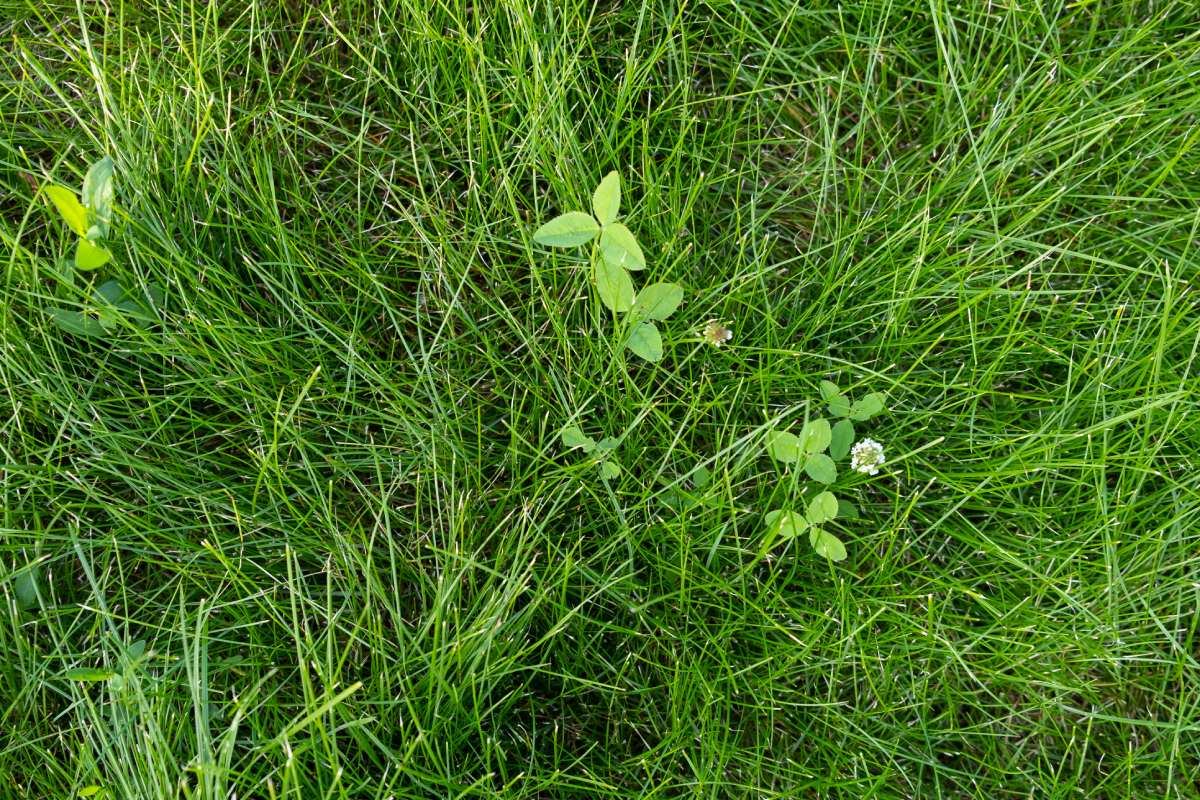
Weeds are opportunists. They take advantage of gaps, bare patches, and weak spots in your lawn where there’s less competition for light, water, and nutrients.
This means the strongest weed prevention strategy isn’t a product, it’s a healthy lawn. When your turf is thick and vigorous, there’s simply less room for weed seeds to germinate and establish in the first place.
Prevention also means less reliance on herbicide, which is better for your lawn, your garden, and anyone who spends time on it.
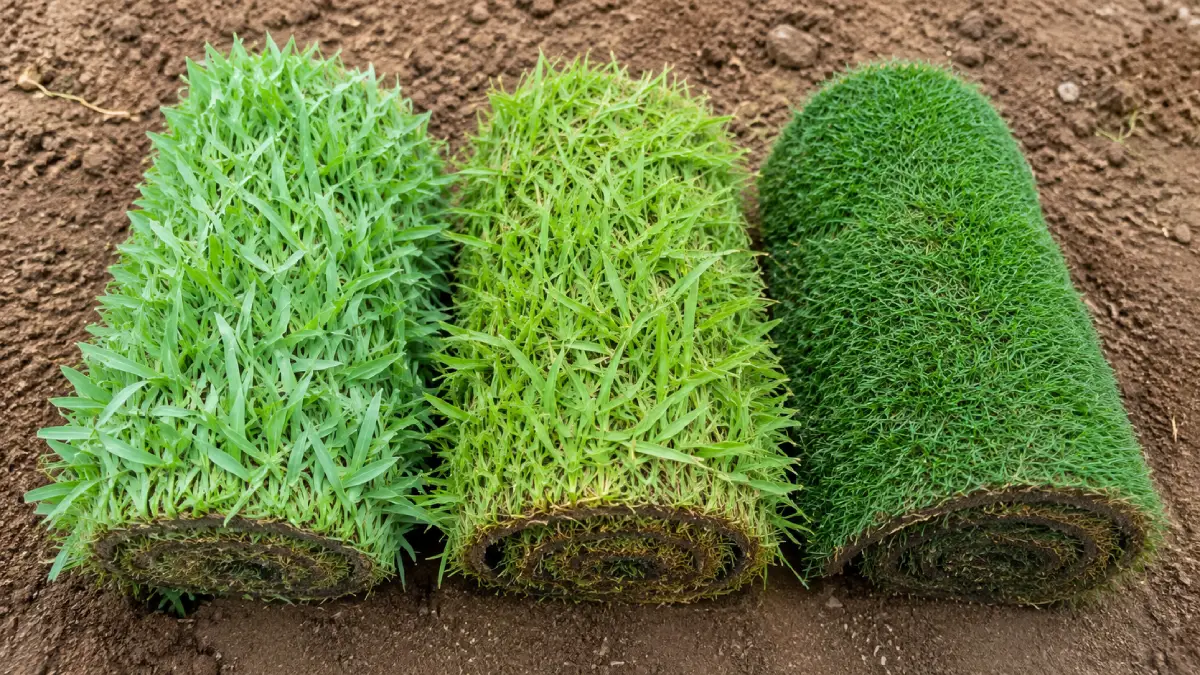
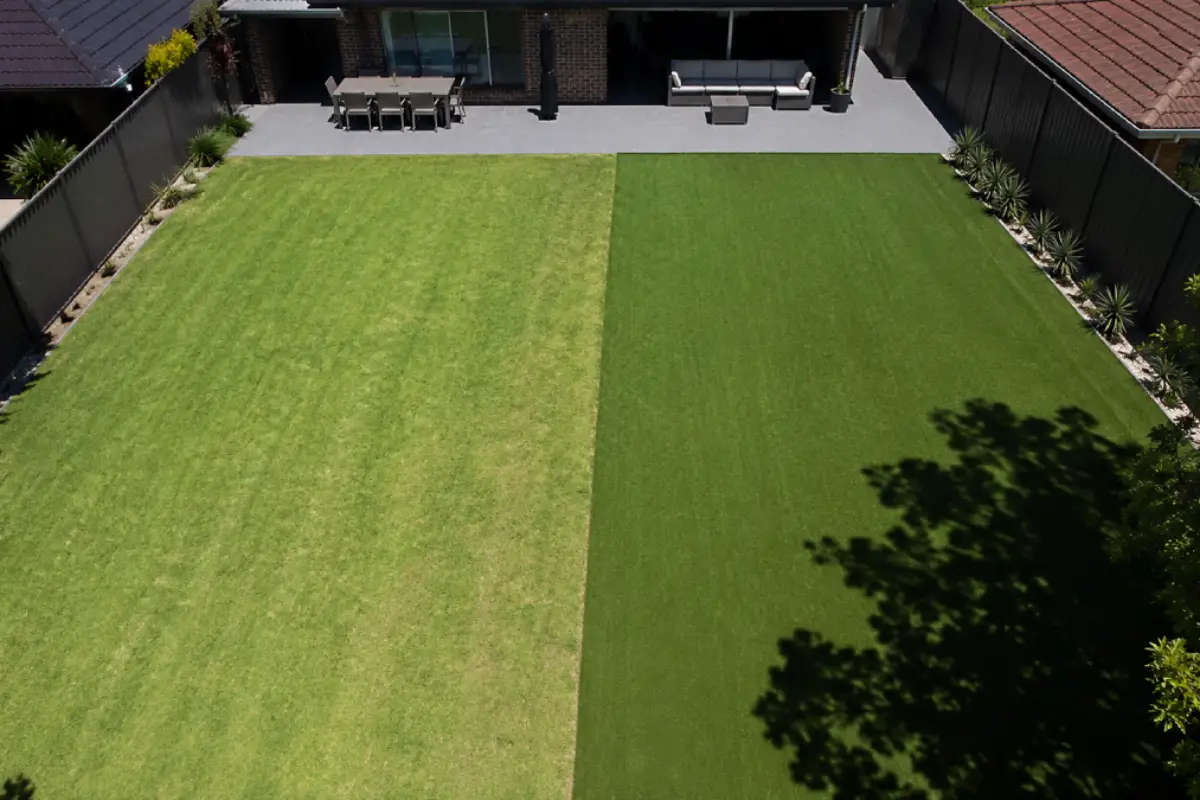
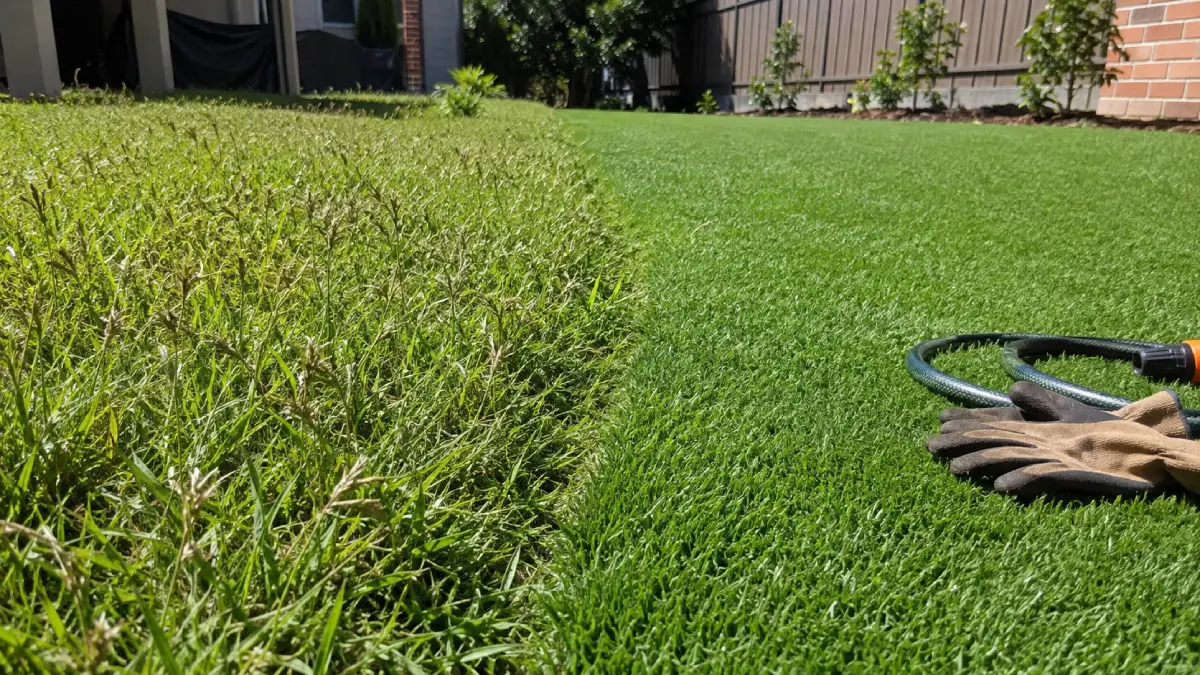
Mowing height has a bigger impact on weed prevention than most people realise.
Tip: As a general rule, avoid removing more than a third of the grass blade length in a single mow. Scalping your lawn weakens it and opens the door for weeds.
How you water your lawn plays a bigger role in weed prevention than most homeowners expect.
A deeply rooted, resilient lawn is far more capable of crowding out weeds on its own.
A well-fed lawn grows thicker and denser, leaving less room for weeds to take hold.
Speak to a turf specialist if you’re unsure which fertiliser suits your specific grass type and soil conditions.
Bare or thinning patches are one of the easiest entry points for weeds.
While this guide is focused on prevention beyond chemical treatment, pre-emergent herbicides deserve a mention, as they’re specifically designed to stop weeds before they germinate.
Because timing is so specific, it’s worth marking your calendar or speaking to a turf specialist to get the application window right for your lawn.
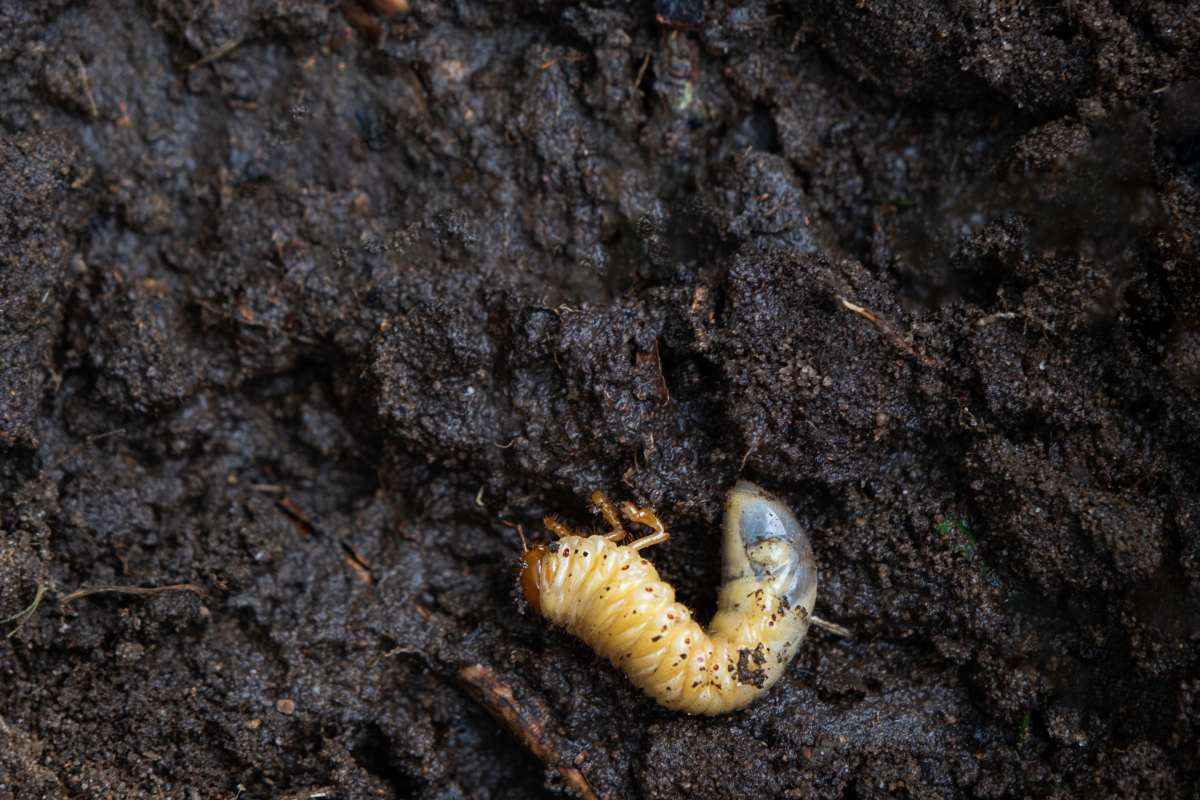
Excess thatch, the layer of dead organic matter between the soil and the grass blades, can create the perfect environment for certain weeds and pests.
Poor drainage creates damp, weak patches in your lawn, which are prime real estate for certain weed types, particularly nutgrass and other sedges.
Sometimes weed problems come down to having the wrong turf variety for your specific conditions.
Get one of our team members to contact you and discuss your options!
Bringing all of this together, an effective weed prevention routine across a typical NSW lawn calendar might look like this:
Consistency is the key ingredient here. A single round of prevention won’t keep weeds away forever, but a steady, seasonal routine makes a significant, lasting difference.
If you’ve been consistent with mowing, watering, and fertilising but weeds keep coming back, there may be an underlying issue, such as poor soil health, drainage problems, or the wrong turf variety for your yard.
A professional turf specialist can assess what’s actually going on beneath the surface and put together a tailored plan to break the cycle for good.
A: Maintaining a thick, healthy lawn through correct mowing height, deep watering, and regular fertilising is generally the most effective long-term prevention strategy, as it naturally crowds out weeds before they can establish.
The two key windows are late winter to early spring, ahead of summer weed germination, and early autumn, ahead of winter grass and other cool-season weeds.
Yes, frequent shallow watering can encourage weed seed germination and weaken your turf’s root system, making it less competitive against weeds. Deep, less frequent watering is generally better for weed prevention.
Good lawn maintenance significantly reduces weed pressure, but pre-emergent herbicide adds an extra layer of protection, particularly for lawns with a history of persistent weed issues.
Most homeowners notice a meaningful reduction in weeds within one to two growing seasons of consistent care, though results can vary depending on the starting condition of the lawn.
Yes, significantly. Taller grass shades the soil surface and blocks the sunlight many weed seeds need to germinate, while scalping your lawn exposes bare soil and gives weeds an easy opening to establish.
A thick, well-maintained lawn is the best defence against weeds you can invest in. If your lawn needs a fresh start, or you’re not sure why weeds keep coming back, the team at A View Turf can help you build a lawn that’s naturally more resistant to weeds over the long term.
Get in touch with A View Turf today for expert advice and a free, no-obligation quote.
Call us: 1800 799 222
Email: sale@avt.com.au
Visit: Ebenezer Wharf Road, Wilberforce NSW 2756
A View Turf