Home » What’s Eating My Grass? Common Culprits and Treatments
Get one of our team members to give you a call to discuss your project!
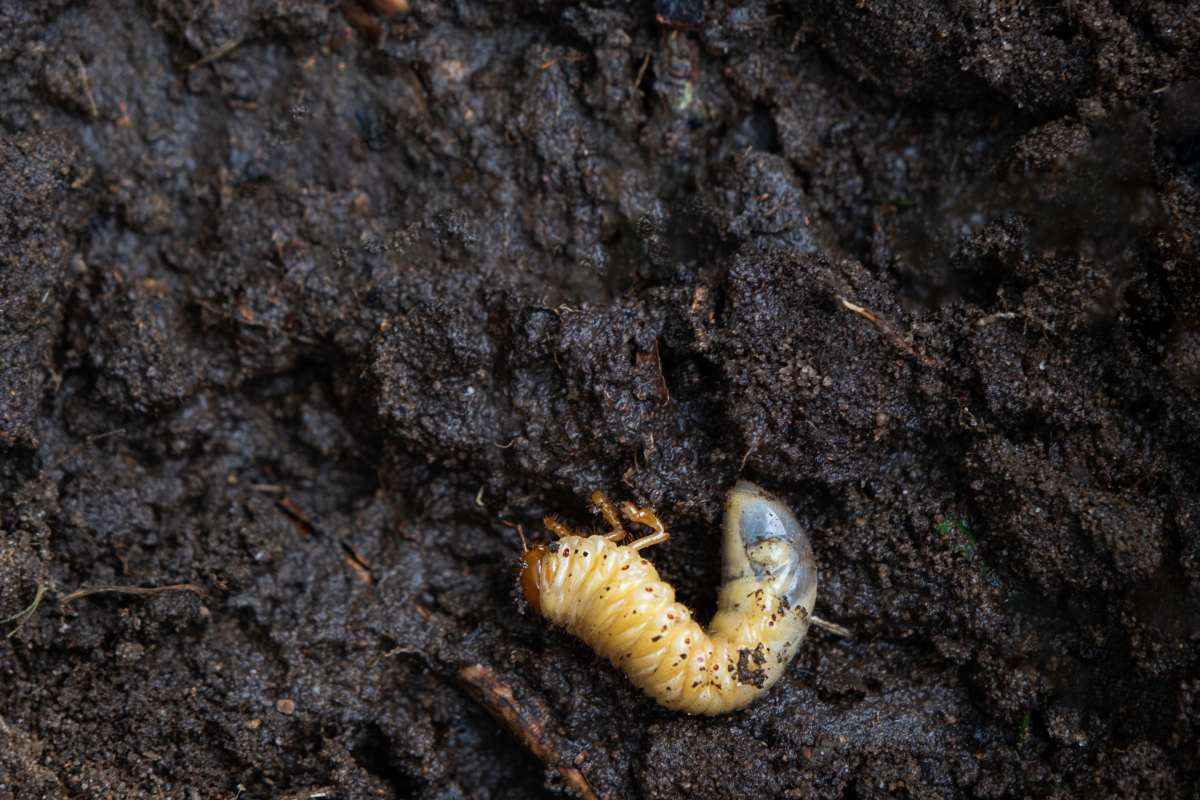
You’ve noticed the signs. Chewed grass blades, brown patches spreading across the lawn, or turf that lifts up almost like a loose rug when you tug on it. Something is eating your grass, but figuring out exactly what can feel like guesswork.
The truth is, there are a handful of common culprits behind most lawn damage in Australia, and each one leaves slightly different clues. Once you know what to look for, working out the cause, and the right treatment, becomes a lot easier.
Here’s how to identify what’s actually eating your grass and what to do about it.
Before jumping to a treatment, it helps to play detective. A few key signs can point you toward the likely culprit:
Answering these questions narrows down the list considerably before you even start digging into the soil.
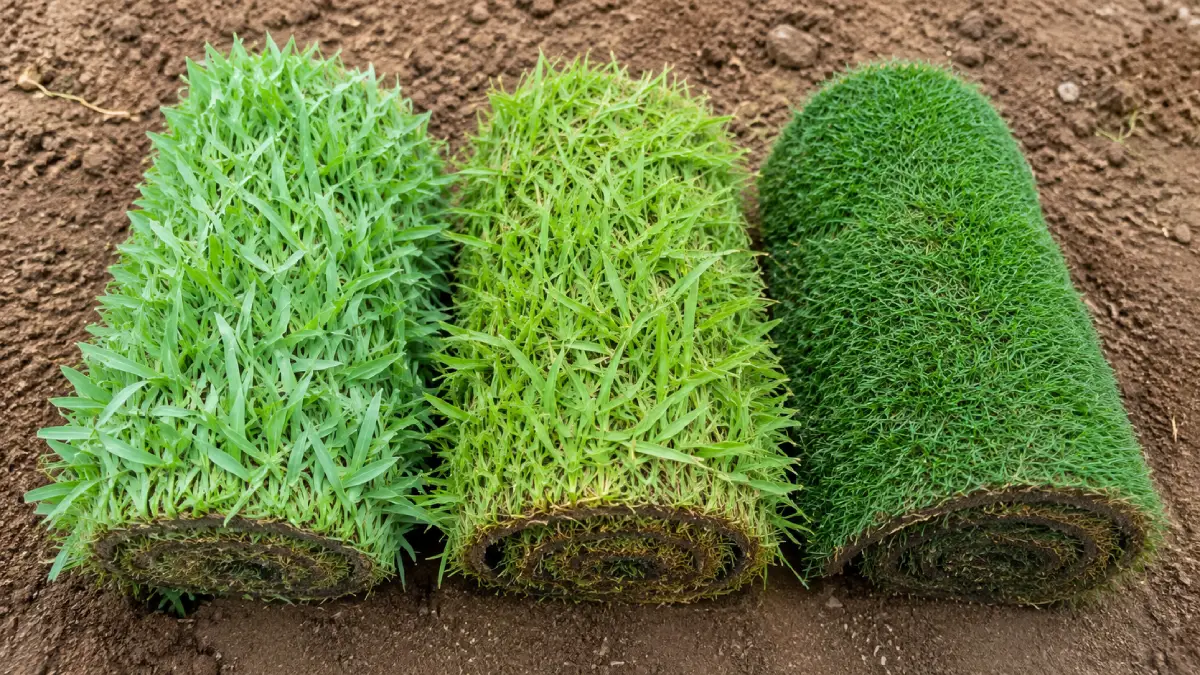
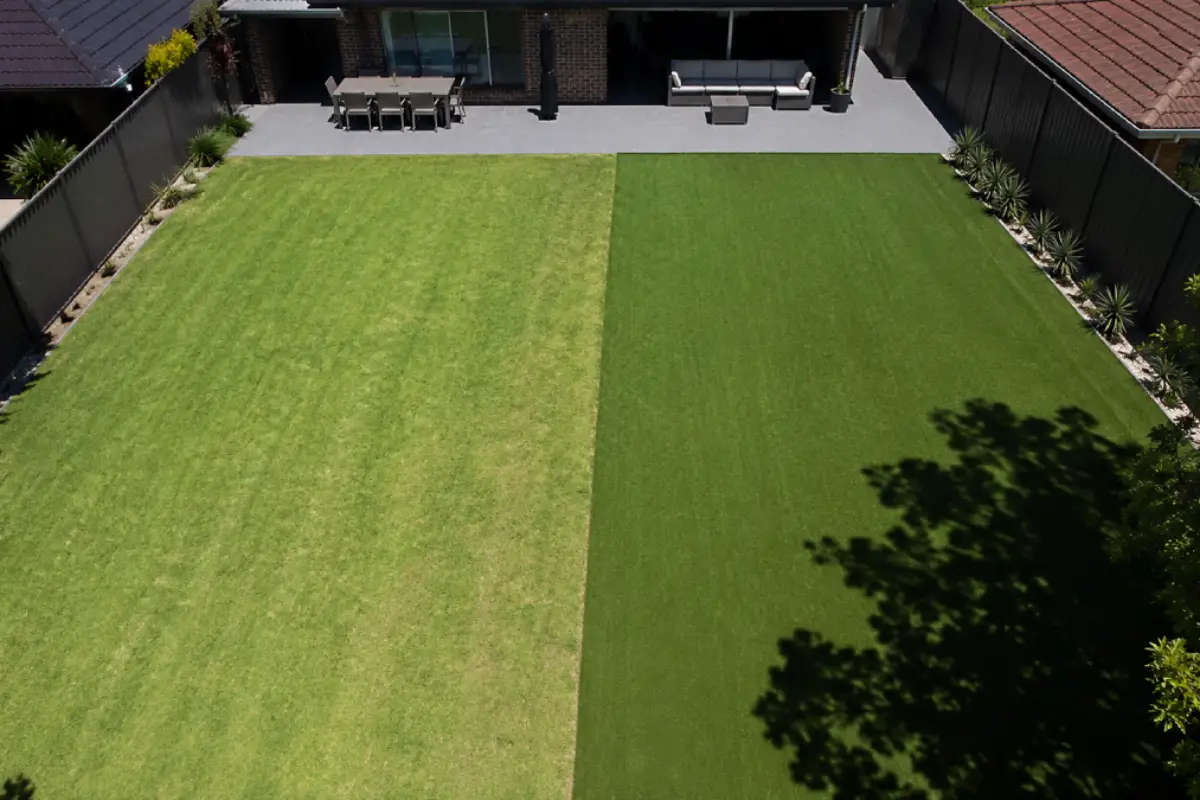
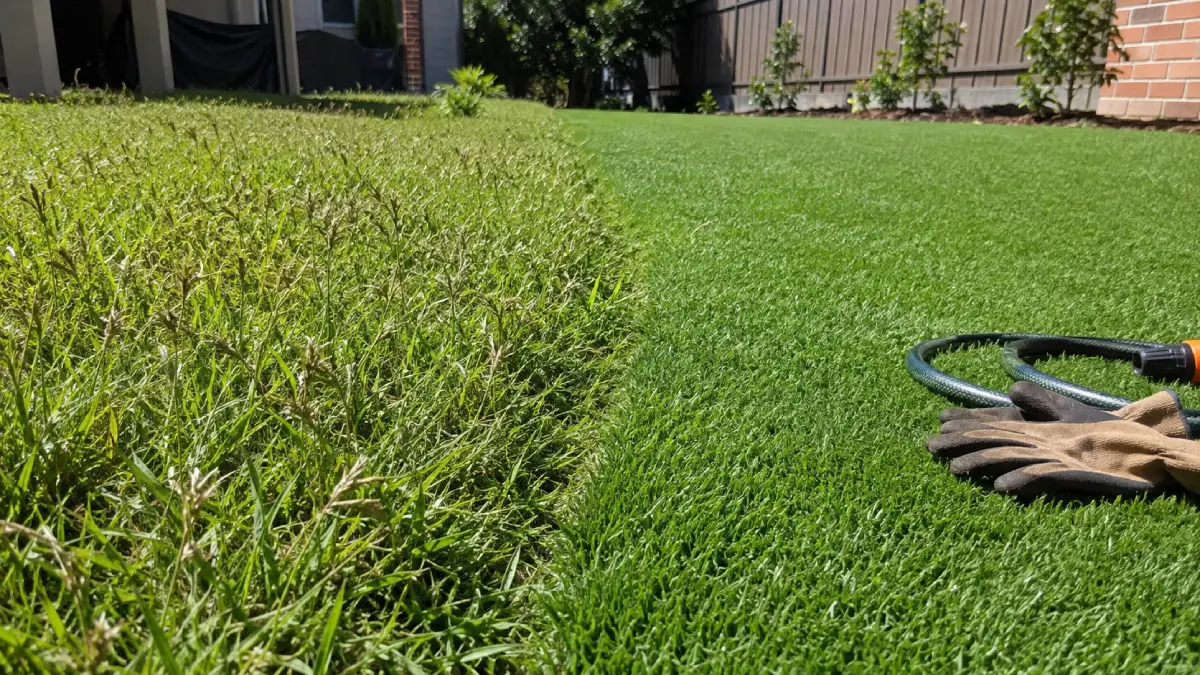
The clue: Grass that lifts up easily, almost like a loose carpet, combined with brown, dying patches.
Curl grubs are the larvae of scarab beetles and live just below the soil surface, feeding on grass roots. Because they attack the root system rather than the visible blades, the damage often appears as patches that simply die off rather than showing obvious chew marks.
Treatment: Apply a registered lawn grub killer, following label directions closely, and consider beneficial nematodes for smaller or early-stage infestations. Keep the lawn watered and fertilised afterwards to support root recovery.
The clue: Grass that looks scalped or unevenly chewed, particularly after warm, humid weather in late summer or autumn.
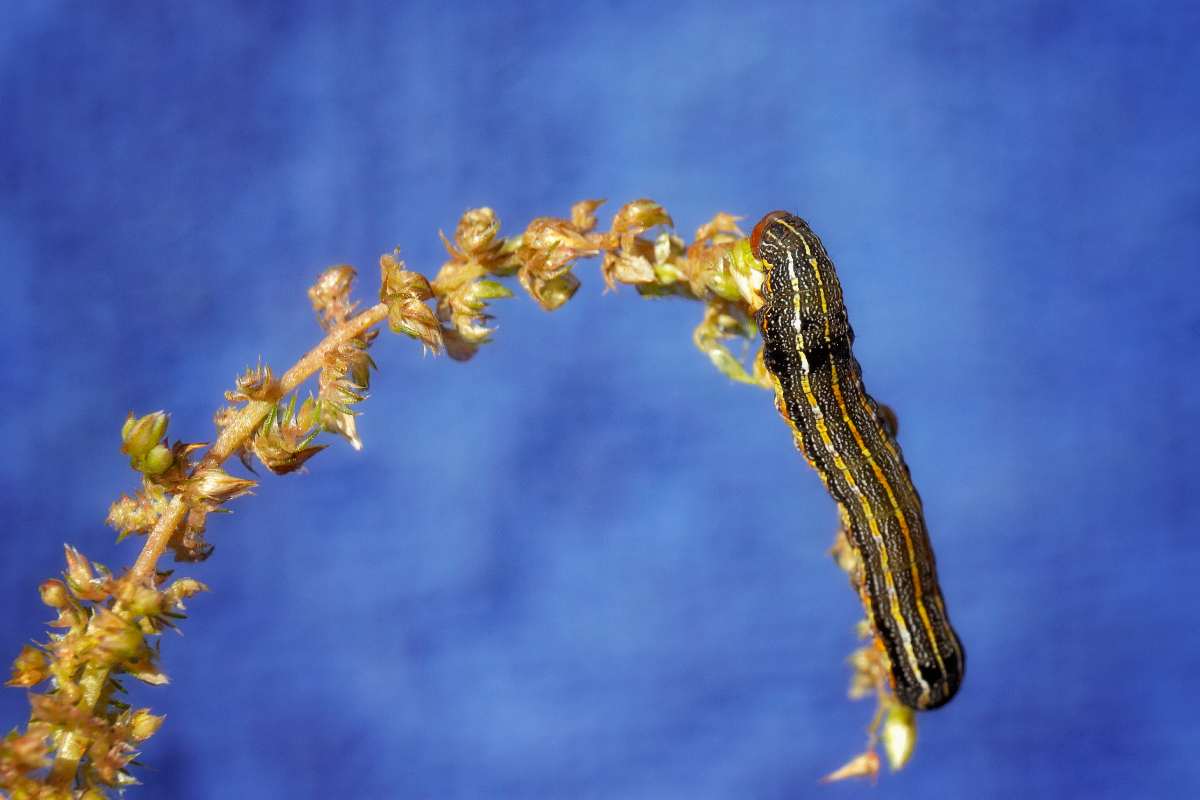
Armyworms are caterpillars that feed on grass blades, often in large numbers, and can cause significant damage in a short amount of time. They tend to feed at night, so damage can seem to appear overnight.
Treatment: Mow and remove clippings before treating to expose the pests, then apply an insecticide labelled for armyworm or caterpillar control, ideally in the late afternoon or evening.
The clue: Thinning, yellowing grass in warmer months, sometimes with small holes or tunnels visible in the soil.
Both the adult beetles and their larvae can damage lawns, particularly Kikuyu and buffalo varieties. The larvae feed on roots in a similar way to curl grubs, while adult beetles can also cause surface damage.
Treatment: Apply a targeted insecticide during early to mid-summer, when larvae are most active near the surface, and maintain a healthy lawn to help it tolerate low-level beetle activity.
The clue: Fine, silvery or bronze discolouration, often mistaken for drought stress.
Lawn mites are tiny and easy to miss, but they cause significant stress to grass, particularly during hot, dry weather. A simple way to check is to place a sheet of white paper on the affected area and disturb the grass, watching for tiny moving specks.
Treatment: Increase watering to reduce dry, dusty conditions mites prefer, and apply a miticide if the infestation is significant.
The clue: Small patches of turf pulled up or dug into, often overnight, sometimes with visible digging marks or displaced soil.
Possums, in particular, are known to dig into lawns searching for grubs and insects. If your lawn has an underlying grub problem, treating the pests can also reduce the digging damage caused by wildlife searching for food.
Treatment: Address any underlying pest issue first, as this often resolves the wildlife digging as a secondary effect. Physical deterrents can also help protect vulnerable areas while pest treatment takes effect.
The clue: Circular or irregular brown patches, rings of discoloured grass, or a powdery coating on the blades, rather than obvious chew marks.
While fungus isn’t technically “eating” your grass in the same way pests do, it’s a common cause of lawn damage that’s often mistaken for pest activity. Conditions like high humidity, poor airflow, and evening watering all encourage fungal growth.
Treatment: Adjust watering to early morning, improve airflow through mowing and pruning, and apply a fungicide suited to the specific fungal issue.
Get one of our team members to contact you and discuss your options!
Because a few of these issues can look similar at a glance, here’s a quick way to narrow things down:
If you’re still unsure after checking these signs, digging up a small section of turf to look for grubs, or getting a professional assessment, is the most reliable way to confirm the cause.
Once you know what’s actually eating your grass, treatment generally follows a similar process:
A strong, well-maintained lawn is naturally more resistant to most of the culprits on this list. A few consistent habits go a long way:
Get one of our team members to contact you and discuss your options!
If you’ve worked through the clues and you’re still not confident what’s causing the damage, or the problem is spreading despite treatment, it’s worth bringing in a professional. Misidentifying the cause is one of the most common reasons DIY treatments don’t work, and a turf specialist can quickly narrow down the real culprit and recommend the right fix.
Pest damage tends to be patchy and irregular, sometimes with visible grubs, chewed blades, or lifted turf. Drought stress is usually more uniform across the whole lawn. If you’re unsure, digging a small section to check for grubs is a reliable way to confirm.
Look closely at the pattern of damage, check whether the grass lifts easily, and note the time of day the damage seems to appear. These clues, combined with digging a small test patch, usually point clearly to the likely cause.
Yes, it’s not uncommon for a stressed or weakened lawn to attract multiple issues at once, such as grubs alongside fungal disease. This is another good reason to get a proper assessment if the problem isn’t resolving with a single treatment.
In most cases, yes, particularly with prompt, correctly identified treatment and good aftercare. Severely damaged areas may need renovation or fresh turf to fully recover.
A quick check every couple of weeks during spring and summer, when pest and fungal activity is highest, helps you catch problems early and treat them before they spread.
Occasional bird activity is normal, but frequent digging in the same spots is often a sign of grubs or other soil-dwelling pests feeding on your lawn’s roots. It’s worth checking that area for grub activity before it spreads further.
If you’re still not sure what’s eating your grass, the team at A View Turf can help you identify the cause and put together the right treatment plan to get your lawn back to full health.
Get in touch with A View Turf today for expert advice and a free, no-obligation quote.
Call us: 1800 799 222
Email: sale@avt.com.au
Visit: Ebenezer Wharf Road, Wilberforce NSW 2756
A View Turf