Home » What Are the Best Weed Killers That Are Safe for Grass?
Get one of our team members to give you a call to discuss your project!
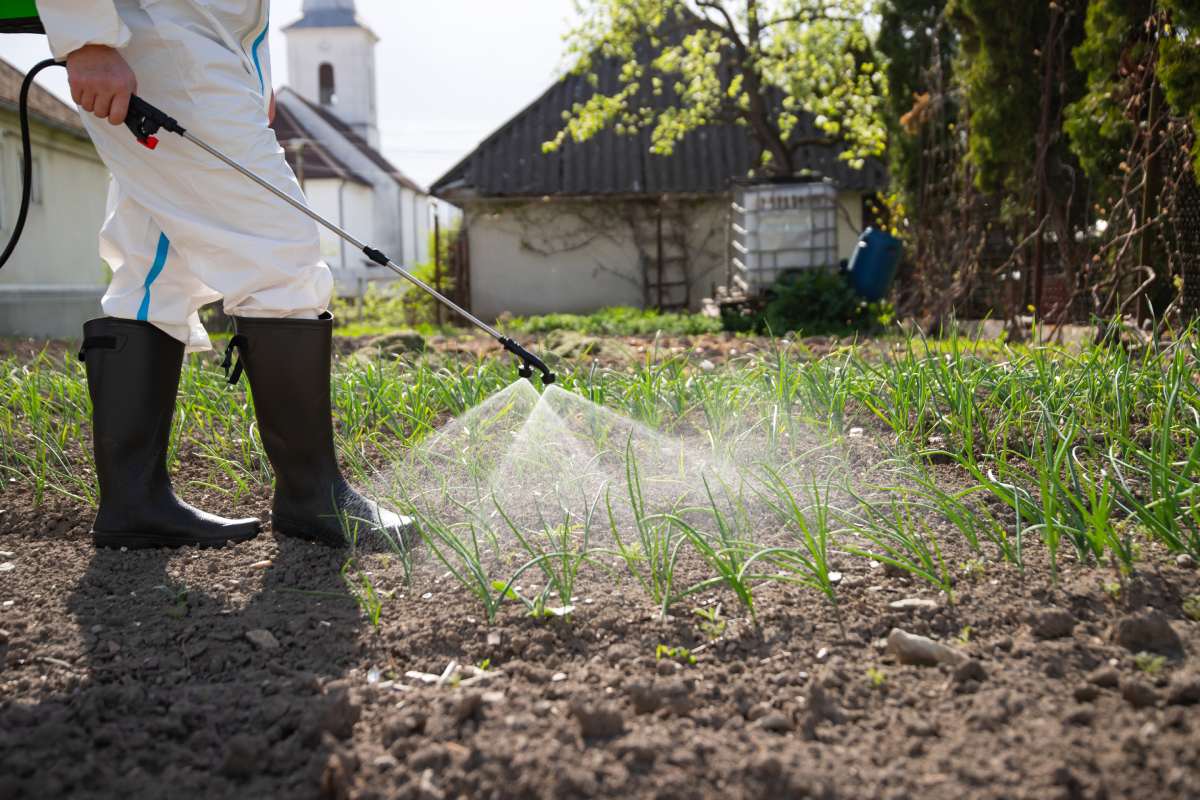
Weeds are one of the most common frustrations for Australian homeowners. They spread fast, compete with your grass for water and nutrients, and can quickly make an otherwise healthy lawn look neglected.
The problem is, not every weed killer is safe to use on turf. Grab the wrong product, or apply the right one incorrectly, and you can end up doing more damage to your lawn than the weeds ever did.
So what actually works? Let’s break down the safest, most effective weed control options for Australian lawns, and how to use them properly.
Herbicides fall into two broad categories, and understanding the difference is the key to protecting your grass.
Using a non-selective product across your whole lawn is one of the fastest ways to end up with bare, dead patches that need to be reseeded or re-turfed entirely. Choosing the right selective herbicide for your weed type and turf variety is essential.
Before choosing a weed killer, it helps to know what you’re dealing with. Weeds generally fall into a few categories:
Different herbicides target different weed categories, so correctly identifying your weed is the first step toward choosing an effective, lawn-safe treatment.
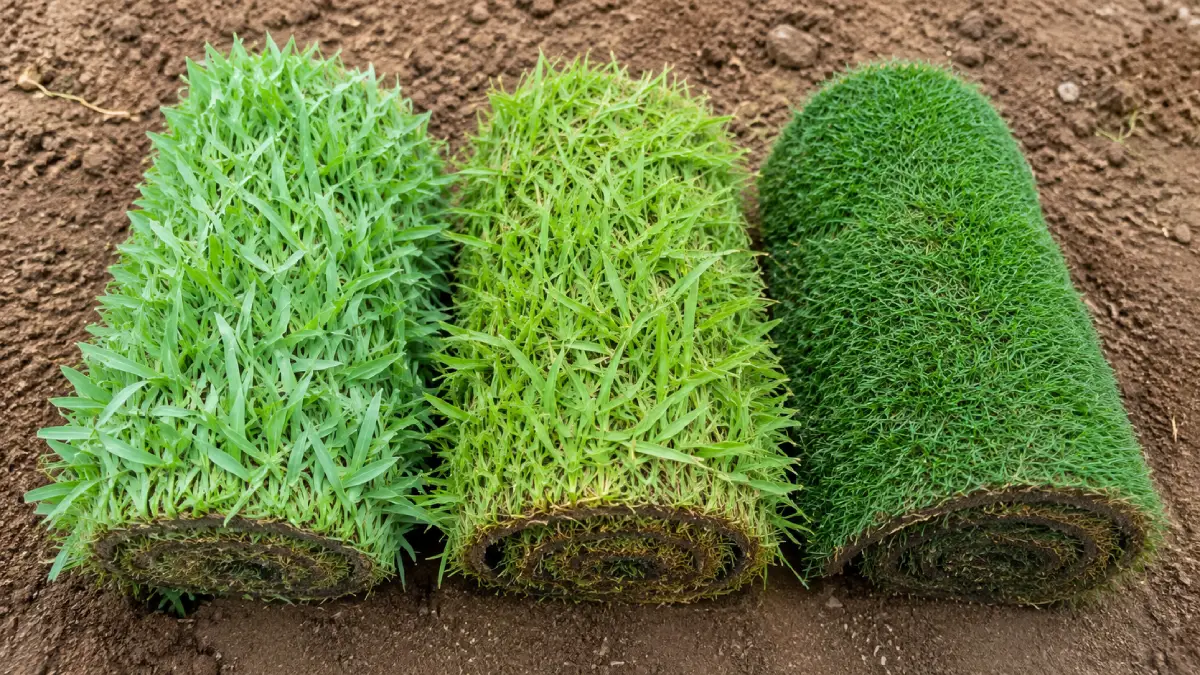
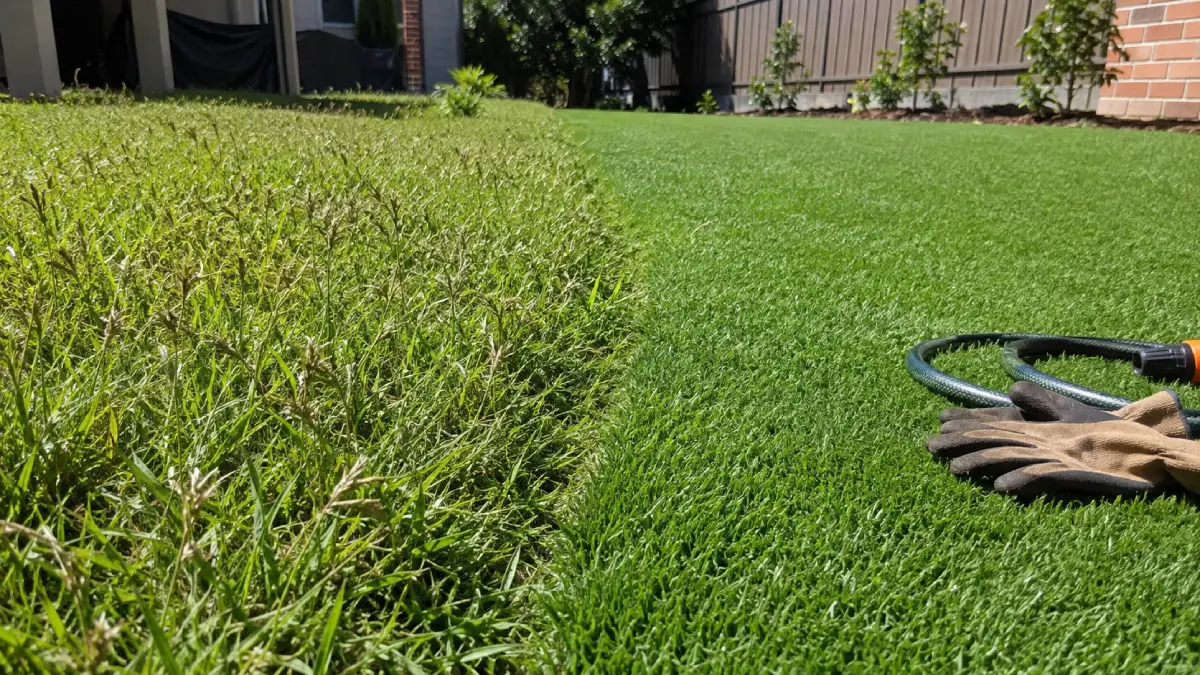
These are formulated specifically to kill common broadleaf weeds like bindii, clover, and dandelion, without harming most common turf varieties.
Best for: Buffalo, couch, and Kikuyu lawns dealing with broadleaf weeds
Tips for use:
Bindii is one of the most disliked lawn weeds in Australia, mainly because of the painful prickles it leaves behind once it seeds. Targeted bindii and clover treatments are formulated to deal with this weed specifically while remaining safe for turf.
Best for: Lawns with a significant bindii or clover problem
Tips for use:
Grassy weeds like winter grass and crabgrass can be tricky, since they resemble your turf. Selective grassy weed herbicides are designed to target these weeds without harming your main lawn variety.
Best for: Lawns with winter grass or crabgrass intrusion
Tips for use:
Nutgrass is notoriously difficult to control because of its underground tuber system, which allows it to regrow even after the visible plant is removed.
Best for: Lawns dealing with nutgrass or other sedge weeds
Tips for use:
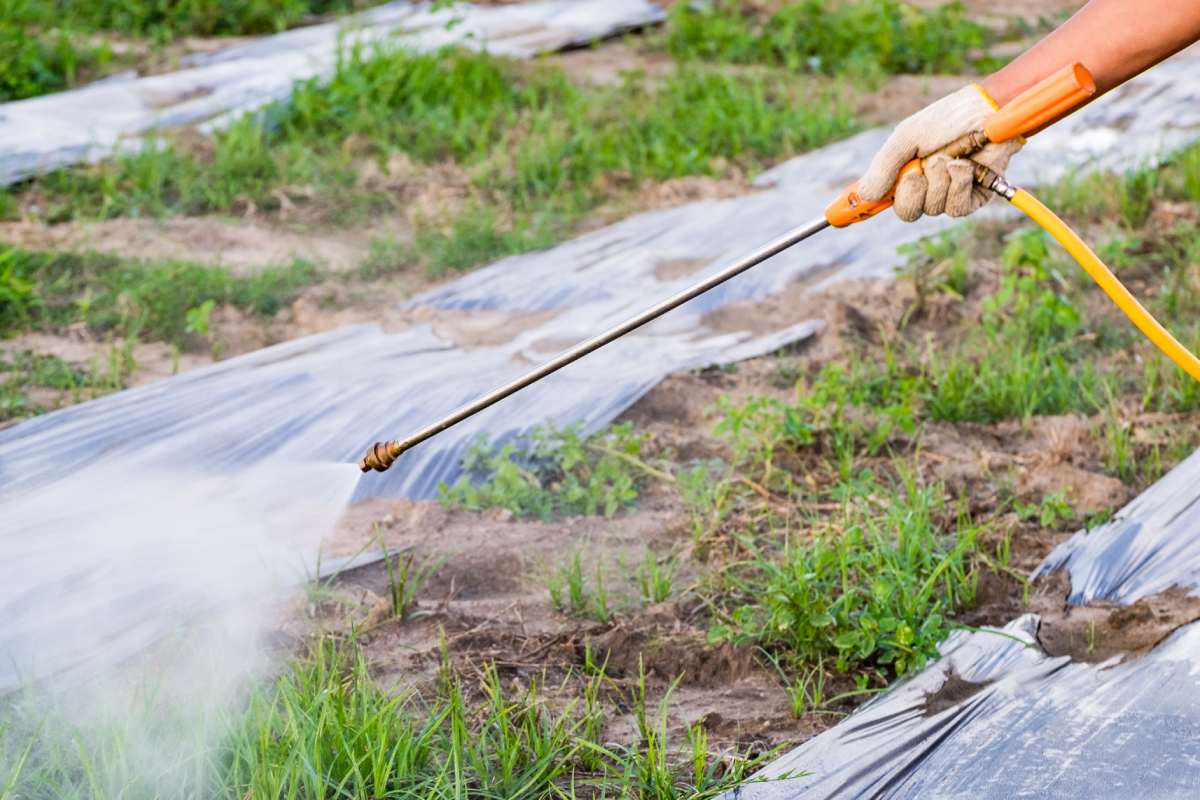
For isolated weeds in garden beds, paths, or driveways, a non-selective herbicide can be used, but never across the lawn itself.
Best for: Weeds outside the lawn area, or very isolated spot treatment with a shielded applicator
Tips for use:
Get one of our team members to contact you and discuss your options!
If you’re looking to minimise chemical use, there are some natural approaches worth considering, particularly for smaller weed problems:
While these methods won’t eliminate an established weed problem on their own, they’re excellent tools for prevention and for keeping smaller issues under control.
If your lawn has a significant or persistent weed problem, particularly with nutgrass or grassy weeds, it may be worth getting professional advice rather than working through trial and error with different products.
A turf specialist can accurately identify your weed type, recommend a herbicide safe for your specific grass variety, and help you develop a long-term plan to prevent weeds from returning.
When you use a selective herbicide that’s compatible with your turf variety and follow label directions, the risk of damage is low. Problems usually occur from using the wrong product, applying during heat stress, or overusing the treatment.
This varies by product, but most labels recommend waiting a few days before and after application. Always check the specific product instructions.
Not usually. Broadleaf, grassy, and sedge weeds often require different herbicides, so correctly identifying your weed type is important before choosing a product.
Most products require the treated area to dry completely before pets or children walk on it, generally a few hours. Always check the specific product label for exact timing.
This can happen with weeds like nutgrass that regrow from underground tubers, or if the herbicide wasn’t matched correctly to the weed type. Multiple applications and correct product selection usually resolve this over time.
Both can be effective when matched correctly to your turf and weed type. Liquid herbicides generally offer faster, more targeted results for active weeds, while granular products are often easier to apply evenly across larger areas and can double as a preventative treatment.
Choosing the right weed treatment for your specific turf variety makes all the difference between a weed-free lawn and one with unwanted bare patches. If you’re not sure where to start, the team at A View Turf can help you find the safest, most effective approach for your lawn.
Get in touch with A View Turf today for expert advice and a free, no-obligation quote.
Call us: 1800 799 222
Email: sale@avt.com.au
Visit: Ebenezer Wharf Road, Wilberforce NSW 2756
A View Turf