Home » How Do I Know If I Have Lawn Grubs? Are Lawn Grubs Hard to Get Rid Of? What Gets Rid of Grubs in Your Lawn?
Get one of our team members to give you a call to discuss your project!
A lush, green lawn doesn’t just improve your home’s appearance — it adds value, comfort, and outdoor enjoyment. But when your grass suddenly starts turning brown, thinning out, or lifting away from the soil, lawn grubs could be the culprit.
Lawn grubs are one of the most common (and frustrating) lawn pests across Australia. The tricky part? They do most of their damage underground before you even realise there’s a problem.
In this guide, we’ll break down everything you need to know — from identifying lawn grubs to getting rid of them and preventing future infestations.
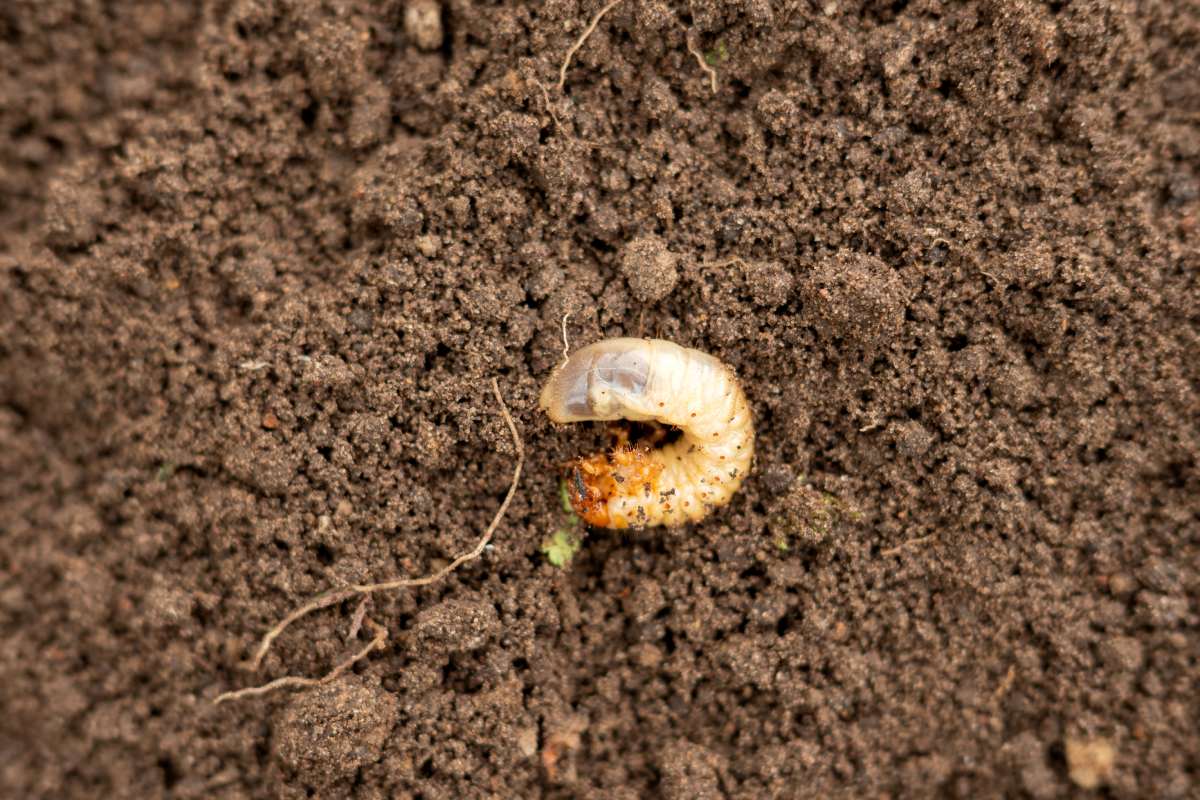
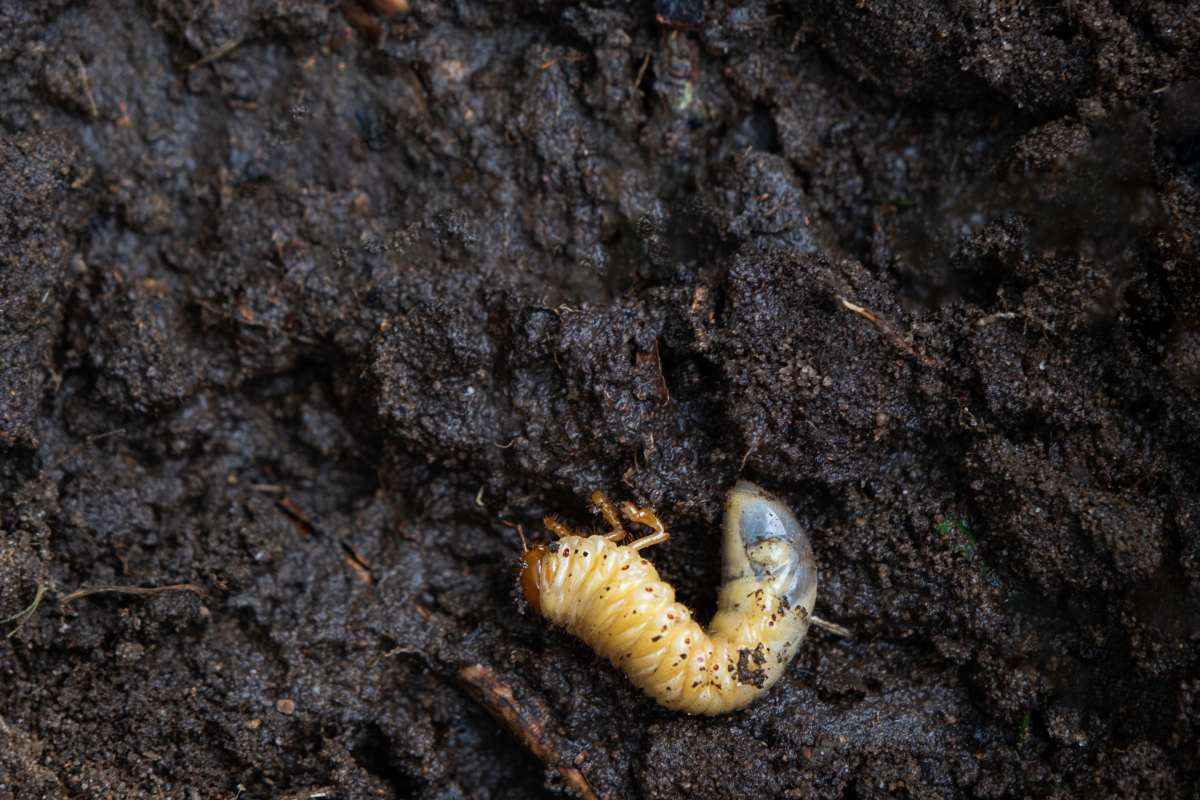
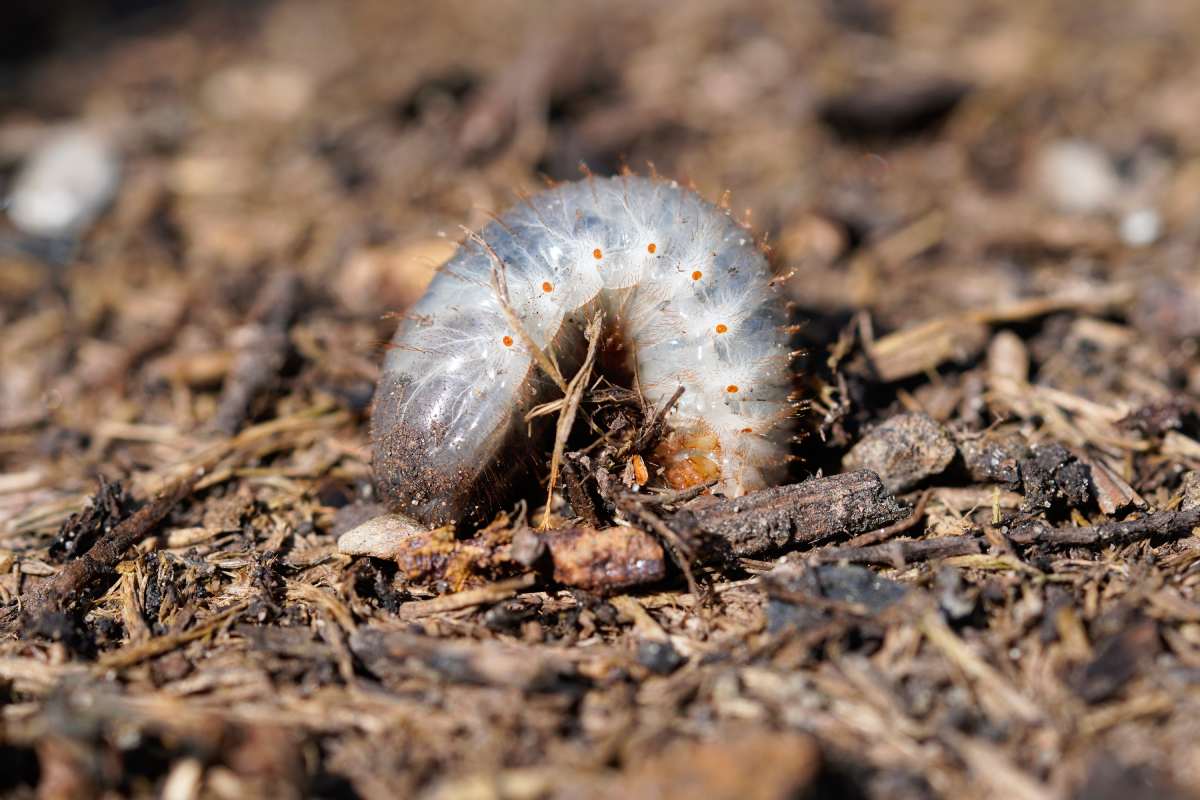
“Lawn grubs” is a general term used to describe the larvae of various beetles and moths that live beneath the soil surface and feed on your grass.
Common types in Australia include:
These pests either feed on grass roots below the soil or chew leaves above ground, weakening your lawn and causing widespread damage.
Because they attack the root system, your lawn loses its ability to absorb water and nutrients — which is why damage often appears suddenly and spreads quickly.
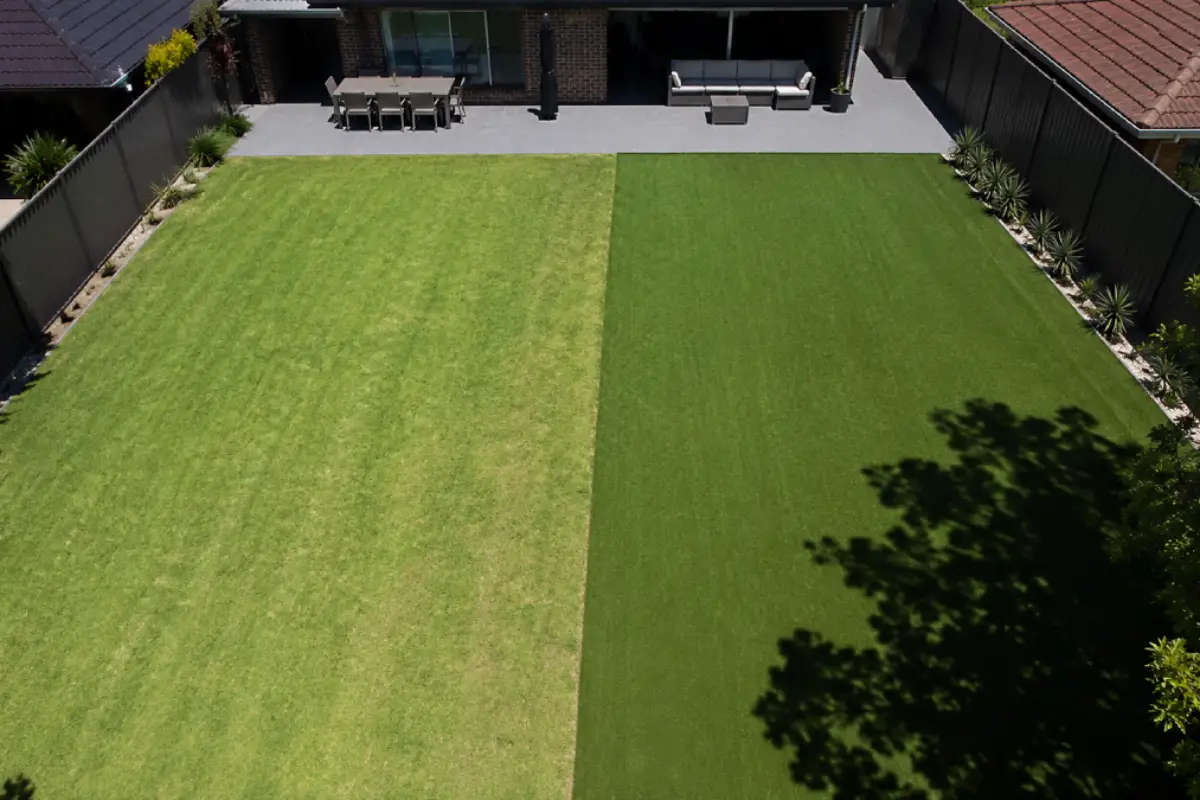
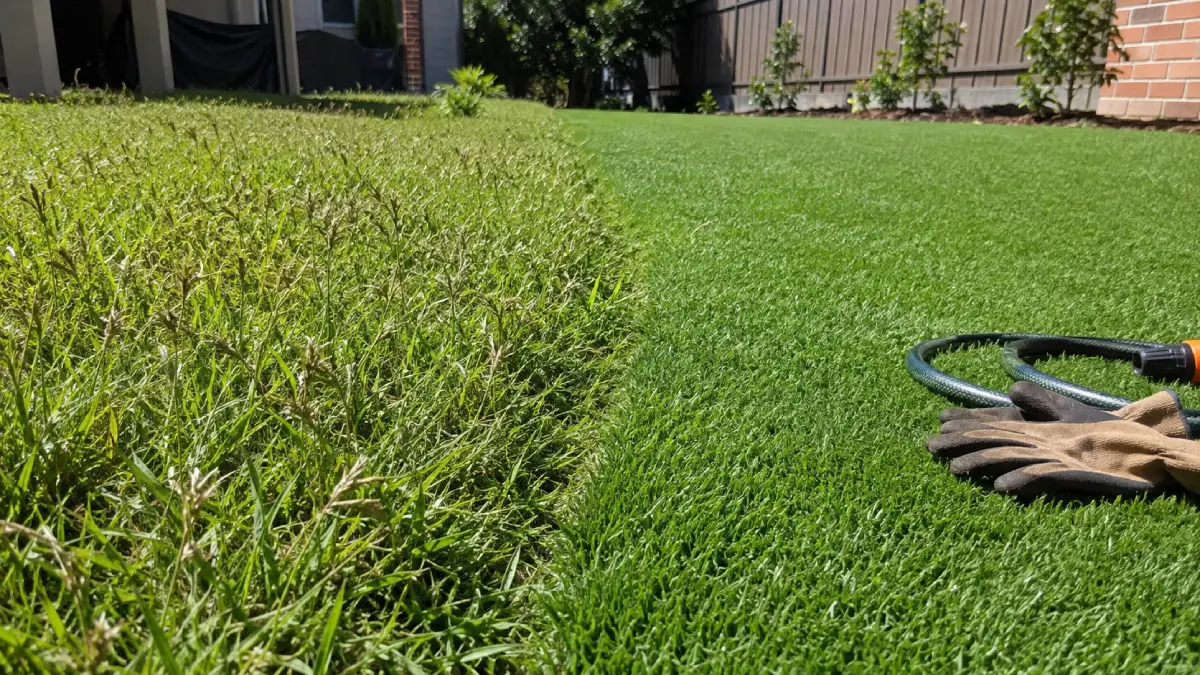
One of the earliest signs is patchy, discoloured grass that doesn’t respond to watering or fertilising.
These patches often expand over time as the grubs continue feeding.
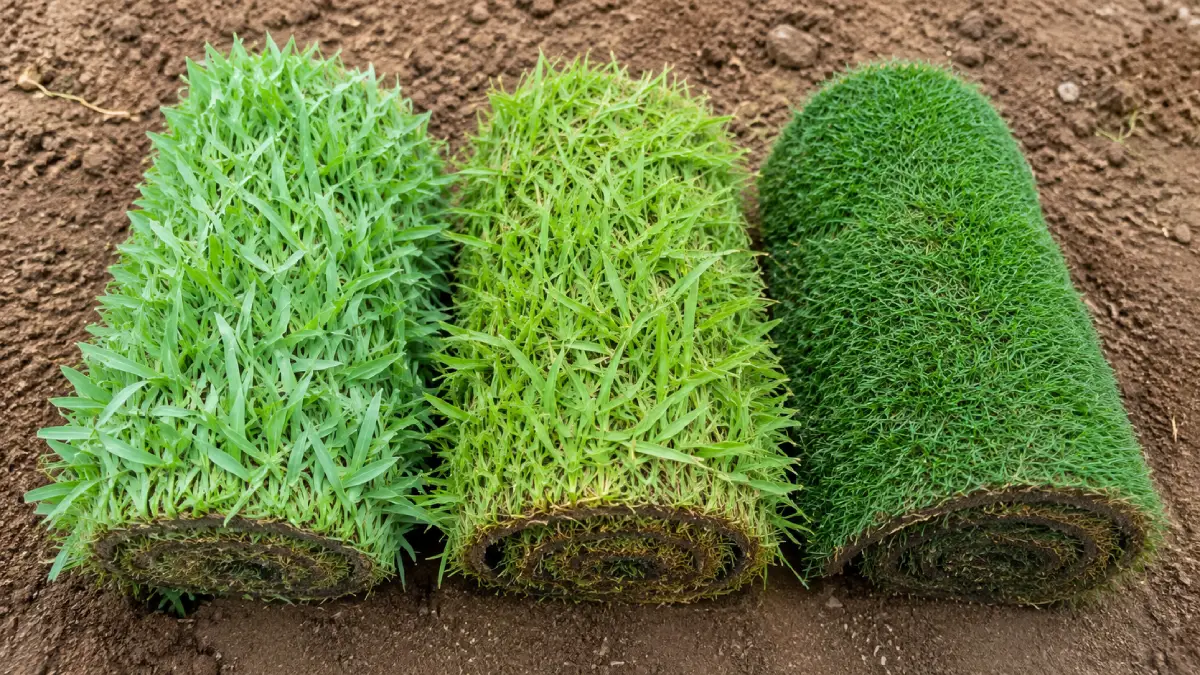
If your turf feels spongy or lifts up like a loose carpet, it’s a major red flag.
This happens because grubs have eaten away the roots that normally anchor the grass into the soil.
Birds, possums, and other animals love feeding on lawn grubs.
If you notice:
…it’s often because they’ve detected grubs underground.
A healthy lawn should feel firm.
If yours feels unusually soft or uneven, it could be due to root damage caused by grubs feeding below the surface.
Increased insect activity — especially moths flying low at dusk — can signal that eggs are being laid in your lawn.
This often means a grub problem is about to develop.
The most reliable way to confirm lawn grubs is to check beneath the surface.
Here’s how:
If you find around 10 or more grubs per square foot, you likely have an infestation that needs treatment.
A healthy lawn should feel firm.
If yours feels unusually soft or uneven, it could be due to root damage caused by grubs feeding below the surface.
Get one of our team members to contact you and discuss your options!
The short answer: Not necessarily — but timing and approach are critical.
Lawn grubs can be relatively easy to control if you catch them early, but they become much harder to manage once:
Here’s what makes them tricky:
1. They live underground
You can’t easily see them, so damage often goes unnoticed until it’s advanced.
2. They have a life cycle
Grubs are most active during warmer months and become harder to kill as they mature.
3. Different species require different treatments
For example:
With the right strategy, most homeowners can successfully eliminate lawn grubs and restore their lawn.
The key is to act early and consistently.
There’s no one-size-fits-all solution — the best method depends on the severity of your infestation. Here are the most effective options used across Australia.
A strong, healthy lawn is naturally more resistant to pests.
Focus on:
Healthy turf can tolerate small grub populations without visible damage.
For minor infestations, natural methods can help control grub populations.
Popular options include:
These methods are eco-friendly but usually only effective for small infestations.
One of the most effective natural solutions is using beneficial nematodes — microscopic organisms that:
They’re safe for pets, humans, and plants, making them a popular choice for environmentally conscious homeowners.
For moderate to severe infestations, chemical treatments are often necessary.
Common options include:
These products are designed to:
Important: Always follow label instructions and apply at the right time for best results.
The best time to treat lawn grubs is when they are:
In Australia, this typically occurs during spring and summer.
Late treatment (when grubs are mature) is much less effective.
If your lawn is severely damaged or you’re unsure what pest you’re dealing with, it may be time to seek expert help.
A professional turf specialist can:
A severe lawn grub infestation can cause noticeable damage within a few weeks, especially during warmer months when they’re most active. Brown patches can spread quickly if left untreated.
Yes, a lawn can recover after grub damage if the infestation is treated early and the grass roots are not completely destroyed. Severely damaged areas may need reseeding, returfing, or patch repair.
Lawn grubs are typically most active during spring, summer, and early autumn when warmer temperatures encourage beetles and moths to lay eggs and larvae to feed aggressively.
Small grub populations may reduce naturally due to predators or seasonal changes, but larger infestations usually won’t go away without treatment and can continue damaging your lawn.
To prevent lawn grubs from returning, keep your lawn healthy with proper mowing, watering, and fertilising, reduce excess thatch, monitor for early signs of damage, and consider preventative grub treatments during peak seasons.
Lawn grubs might be small, but they can cause serious damage if left untreated. The key is knowing what to look for and acting quickly.
If you’re dealing with persistent lawn issues or want expert guidance, the team at A View Turf can help you choose the right turf solutions and lawn care strategies for Australian conditions.
A healthy lawn doesn’t happen by accident — but with the right knowledge and care, it’s absolutely achievable.
A View Turf