Will Grass Grow Back After Grub Treatment? Should I Pull Up the Dead Grass from Grubs? How to Bring Back Grass After Grubs?
Request a Callback

Get one of our team members to give you a call to discuss your project!

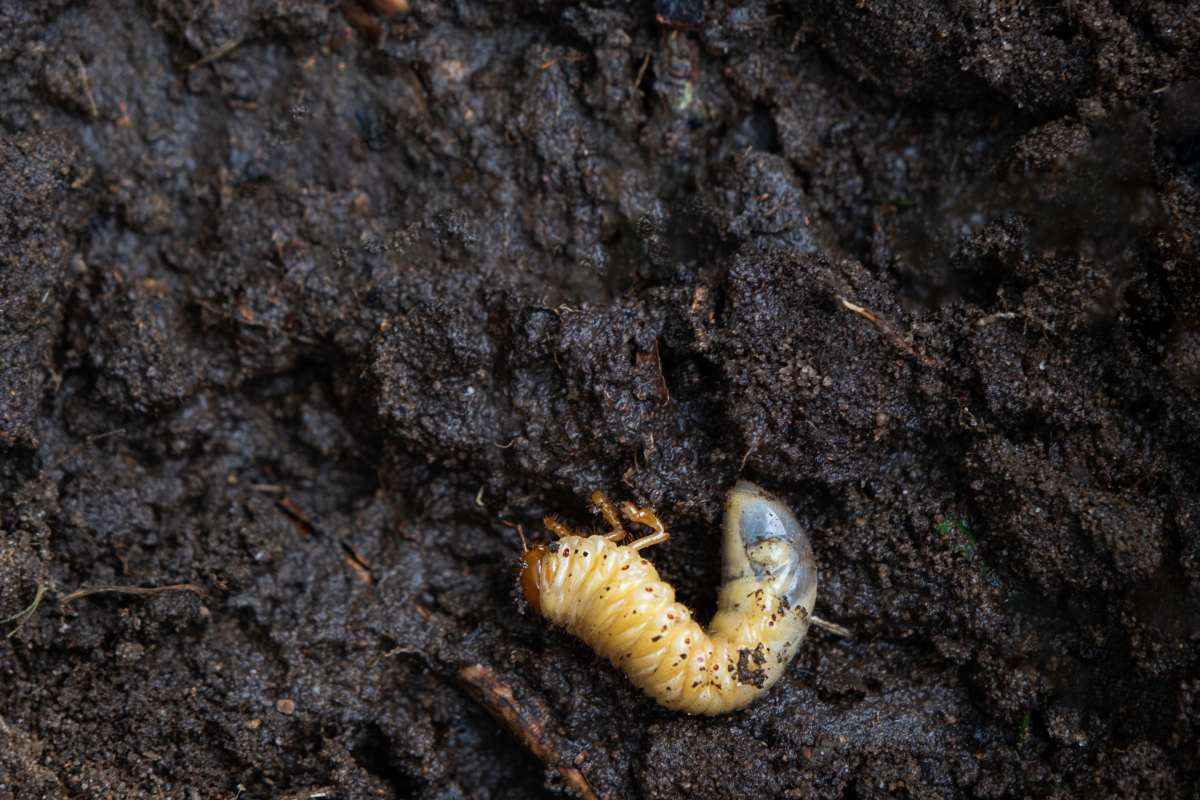
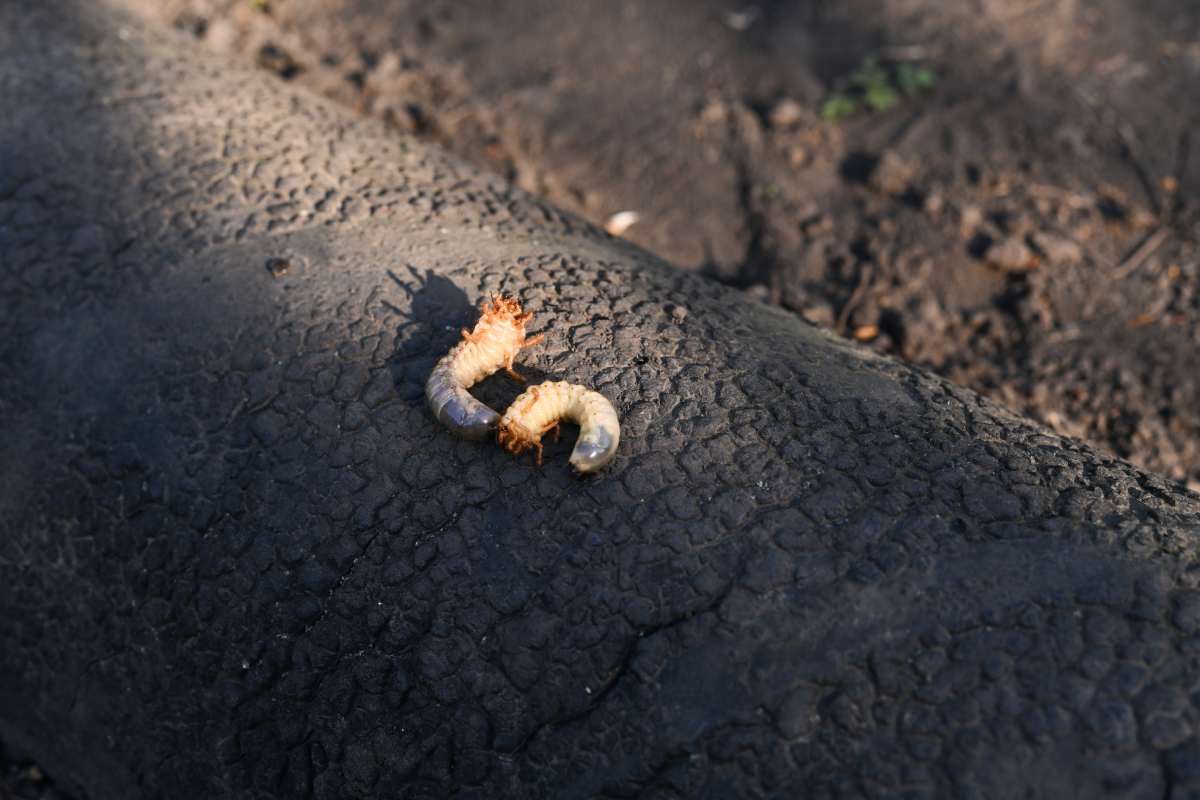
larvae of the May beetle

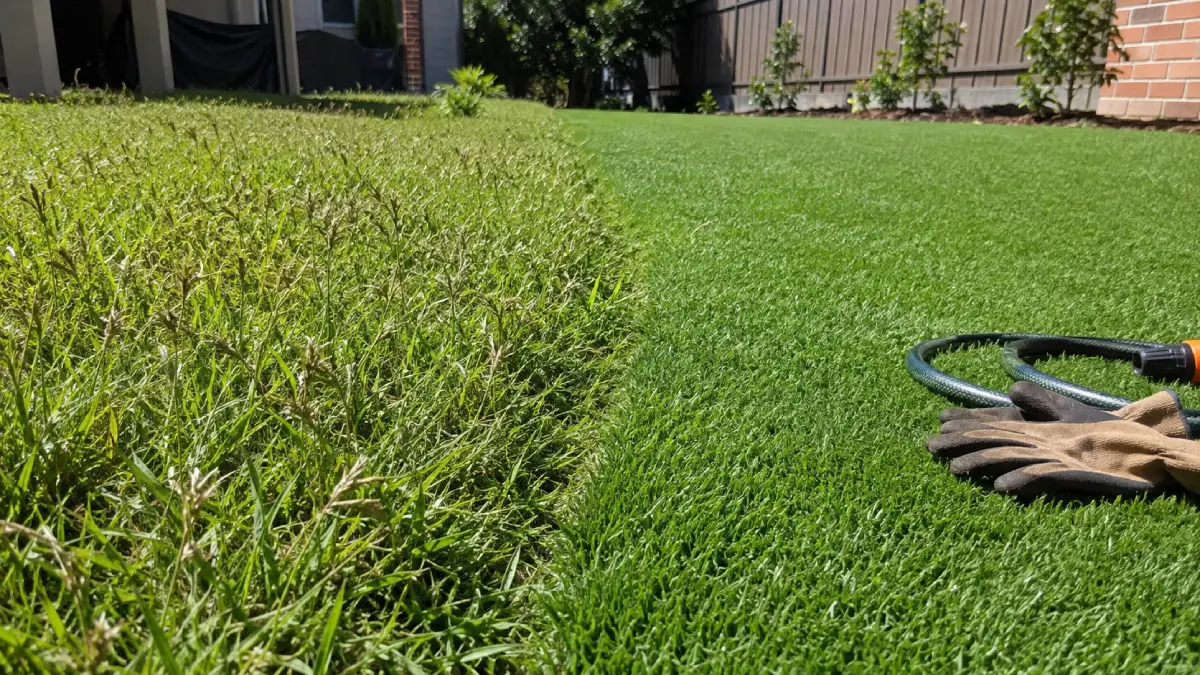
Discovering lawn grubs in your yard can be frustrating — but what’s even more concerning is the damage they leave behind. After treating the problem, many homeowners are left wondering: Will my grass actually grow back? Do I need to remove the dead patches? And what’s the best way to restore my lawn?

The good news is that recovery is absolutely possible. However, how well your lawn bounces back depends on how severe the damage was and what steps you take after treatment.

In this guide, we’ll walk you through exactly what to expect and how to bring your lawn back to life after a grub infestation.

Will Grass Grow Back After Grub Treatment?

The short answer is: yes — but it depends on the extent of the damage.

Once lawn grubs are eliminated, your grass has a chance to recover. However, whether it regrows naturally or needs repair depends on how much of the root system is still intact.

When Grass Can Recover on Its Own

Your lawn is more likely to bounce back naturally if:

  • The infestation was caught early
  • Only small areas were affected
  • Some roots are still alive
  • The grass type is hardy (like couch or kikuyu)

In these cases, with proper watering and care, you may see regrowth within a few weeks.

When Grass Won’t Grow Back

Unfortunately, if grubs have:

  • Completely destroyed the root system
  • Killed large sections of turf
  • Left the grass dry, brittle, and easily lifted

…then those areas won’t recover on their own.

Dead grass cannot regenerate — it will need to be repaired or replaced.

What Recovery Looks Like

After successful grub treatment, you can expect:

  • Damage to stop spreading within 1–3 weeks
  • Gradual greening and regrowth in healthy areas
  • Thinning patches filling in over time (if roots survive)

Recovery speed varies depending on weather, soil health, and lawn care practices.

A View Turf Can Help
Leave the hard work to the experts and contact us online or call today 1800 799 222

Should I Pull Up the Dead Grass from Grubs?

In most cases, yes — removing dead grass is an important step in lawn recovery.

Why You Should Remove Dead Turf

Dead grass doesn’t just look unsightly — it can actually prevent your lawn from recovering properly.

Here’s why removing it helps:

1. Improves Airflow and Soil Access
Dead material blocks sunlight, water, and nutrients from reaching the soil.

2. Encourages New Growth
Clearing dead patches creates space for new grass to establish.

3. Prevents Pest and Disease Issues
Decaying grass can attract other pests or fungal problems.

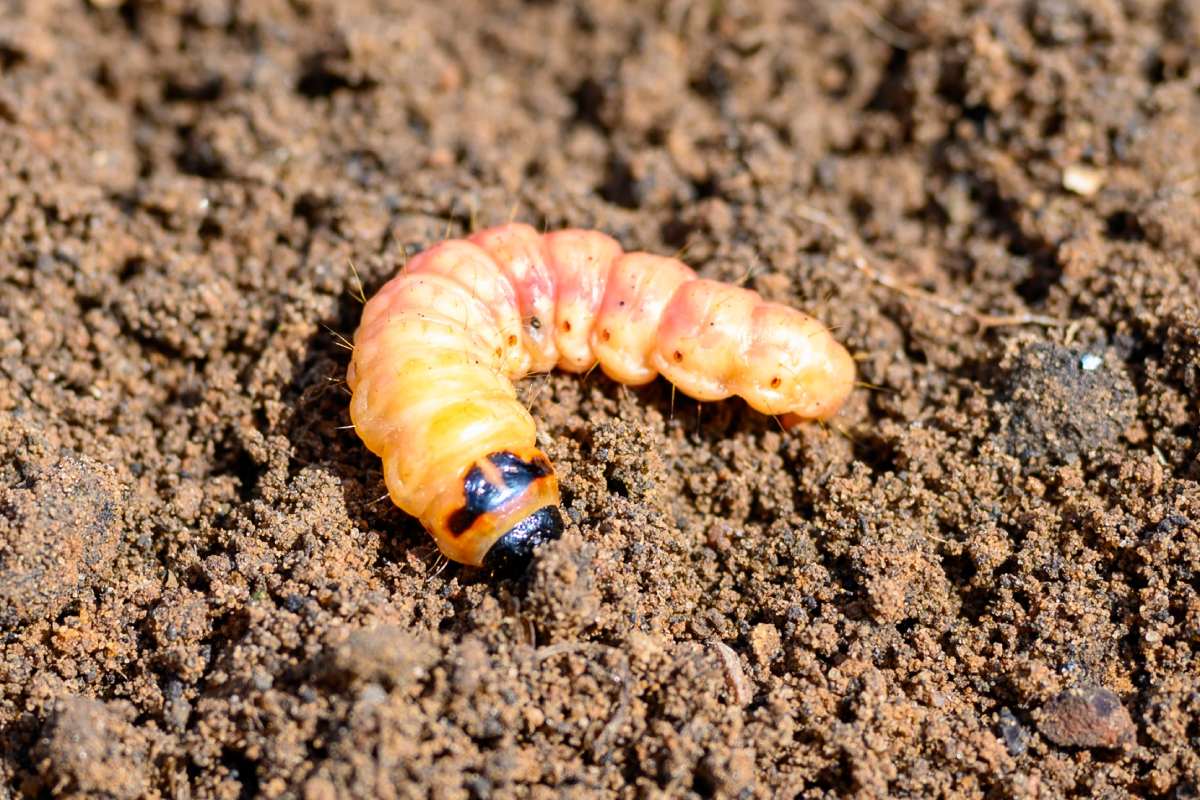
cossus cossus caterpillar of a wood worm odorous or willow insect pest on the soil. banner

How to Remove Dead Grass

Depending on the size of the affected area:

  • Small patches: Use a rake to loosen and remove dead material
  • Larger areas: Lift and remove sections of dead turf
  • Heavy thatch: Consider dethatching for better soil exposure

If the turf lifts easily like carpet, it’s a clear sign the roots are gone and removal is necessary.

Should You Always Remove It?

If the grass is only slightly damaged and still has green shoots, you may not need to remove it entirely. In this case, focus on:

  • Light raking
  • Fertilising
  • Watering

This can help the lawn recover without major intervention.

How to Bring Back Grass After Grubs

Restoring your lawn after grub damage involves a combination of repair, care, and patience.

Step 1: Confirm the Grubs Are Gone

Before starting any repairs, make sure the problem is fully resolved.

If grubs are still present, new grass will struggle to survive.

Step 2: Remove Dead and Damaged Areas

As mentioned earlier:

  • Clear away dead turf
  • Rake the soil surface
  • Remove debris and loose roots

This prepares the area for regrowth or replanting.

Step 3: Improve Soil Conditions

Grubs often leave soil compacted and lacking nutrients.

To fix this:

  • Loosen the topsoil
  • Add quality topsoil or lawn underlay if needed
  • Apply a starter fertiliser

Healthy soil is the foundation for successful lawn recovery.

Step 4: Repair the Lawn

Depending on the severity of the damage, you have two main options:

Option A: Reseeding

Best for:

  • Smaller or patchy areas
  • Budget-friendly repairs

Steps:

  • Spread grass seed evenly
  • Lightly cover with soil
  • Keep consistently moist.

Option B: Returfing

Best for:

  • Large damaged areas
  • Faster results

Steps:

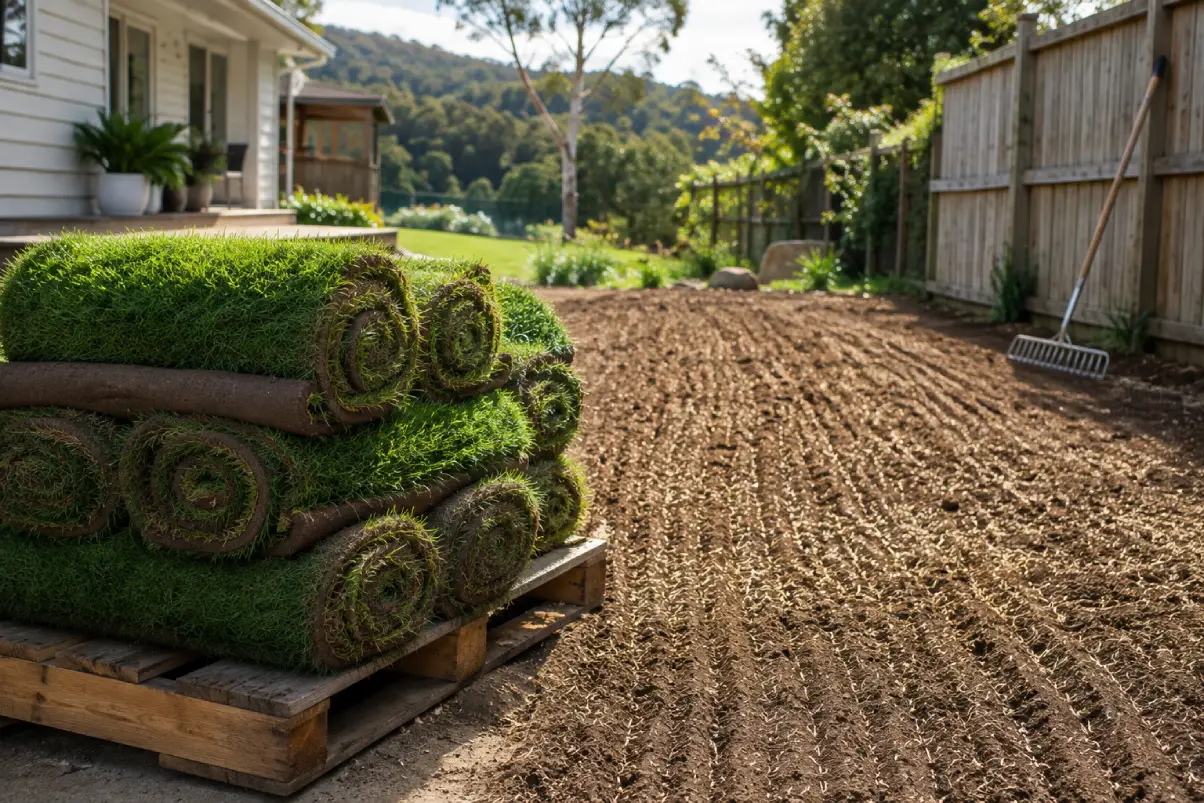
  • Lay fresh turf over prepared soil
  • Water thoroughly
  • Keep moist until established

Returfing provides an instant visual improvement and quicker recovery.

Step 5: Water Properly

Watering is critical after grub damage.

  • Keep soil consistently moist (not waterlogged)
  • Water deeply to encourage root growth
  • Adjust frequency depending on weather

Avoid letting the soil dry out during the recovery phase.

Step 6: Fertilise to Encourage Growth

Once new growth begins:

  • Apply a balanced lawn fertiliser
  • Avoid over-fertilising (which can stress new grass)

Fertiliser helps rebuild the root system and improve lawn density.

Step 7: Mow Carefully

Once new growth begins:

  • Apply a balanced lawn fertiliser
  • Avoid over-fertilising (which can stress new grass)

Fertiliser helps rebuild the root system and improve lawn density.

Need a Hand With Your Grass?

Get one of our team members to contact you and discuss your options!

How Long Does It Take for Grass to Recover?

Recovery time varies depending on the severity of the damage and the repair method.

Typical Timeframes:

  • Minor damage: 2–4 weeks
  • Moderate damage: 4–8 weeks
  • Severe damage (re-establishment): 2–6 weeks for establishment

Consistency in care plays a huge role in how quickly your lawn bounces back.

Tips to Prevent Future Grub Damage

Once your lawn is restored, prevention becomes key.

Maintain a Healthy Lawn

Strong, well-maintained grass is less vulnerable to pests.

Monitor for Early Signs

Watch for:

  • Brown patches
  • Loose turf
  • Increased bird activity

Early detection makes treatment easier.

Apply Preventative Treatments

Using seasonal grub control products can stop infestations before they start.

Reduce Thatch and Improve Drainage

Grubs thrive in certain conditions — reducing these makes your lawn less attractive to them.

When Should You Call a Professional?

To recap:

  • Grass can grow back if the roots are still intact
  • Dead turf should usually be removed to allow proper recovery
  • Severe damage may require reseeding or returfing
  • Consistent care is the key to successful regrowth

With the right approach, your lawn can return to being green, healthy, and resilient.

If your lawn is severely damaged or you’re unsure what pest you’re dealing with, it may be time to seek expert help.

A professional turf specialist can:

  • Identify the exact pest species
  • Recommend targeted treatments
  • Restore your lawn more efficiently

Frequently Asked Questions

Dead grass will be dry, brittle, and pull out easily with no resistance. Dormant grass, on the other hand, may look brown but still has firm roots and can recover with watering.

It’s not recommended. Dead grass can block sunlight and nutrients, making it harder for new grass to establish. Removing it improves recovery results.

It depends on the size of the damaged area. Reseeding is more cost-effective for small patches, while returfing is faster and better for large areas.

You can begin repairs once you’re confident the grubs are gone — usually within 1–2 weeks after treatment.

No, fertiliser helps with recovery but won’t fix dead areas on its own. You’ll need to remove dead grass and reseed or returf where necessary.

Get an Expert Advice Today!

Lawn grub damage can be frustrating, but it’s not the end of your lawn.

If you’re unsure how to repair your lawn or want the best results quickly, the team at A View Turf can help you choose the right turf solutions and recovery strategies for Australian conditions.

A great lawn doesn’t just happen — but with the right steps, it’s absolutely achievable.

Get in Touch Today

Share:

Facebook
Twitter
Pinterest
LinkedIn

Get a Quick Quote