Home » What Does a Lawn With Grubs Look Like? What Kills Grubs Immediately?
Get one of our team members to give you a call to discuss your project!
A healthy lawn should be lush, green, and firmly rooted in the soil. But if your grass is suddenly patchy, weak, or dying off in sections, lawn grubs could be the hidden problem beneath the surface.
Lawn grubs are notorious for causing rapid and widespread damage — often before homeowners even realise what’s happening. Knowing what to look for and how to act quickly can make all the difference in saving your lawn.
In this guide, we’ll explain exactly what a lawn with grubs looks like and what you can do if you need fast, effective control.
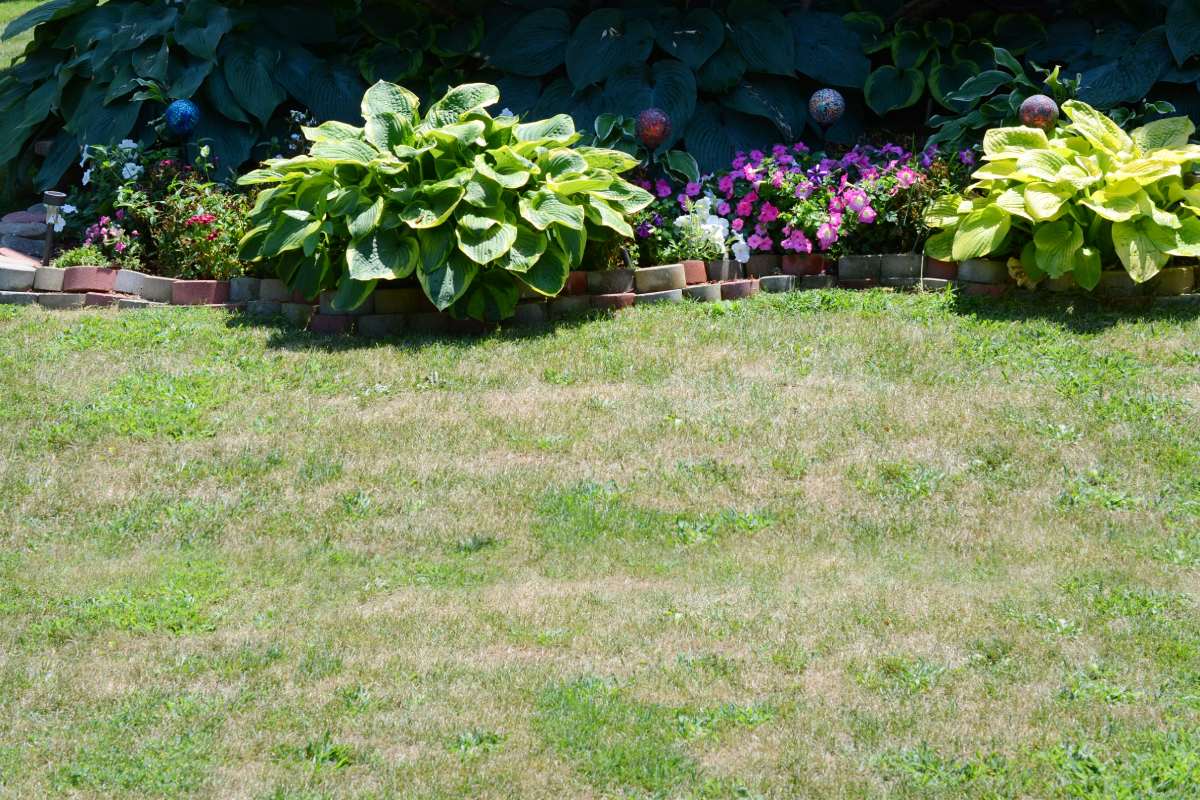
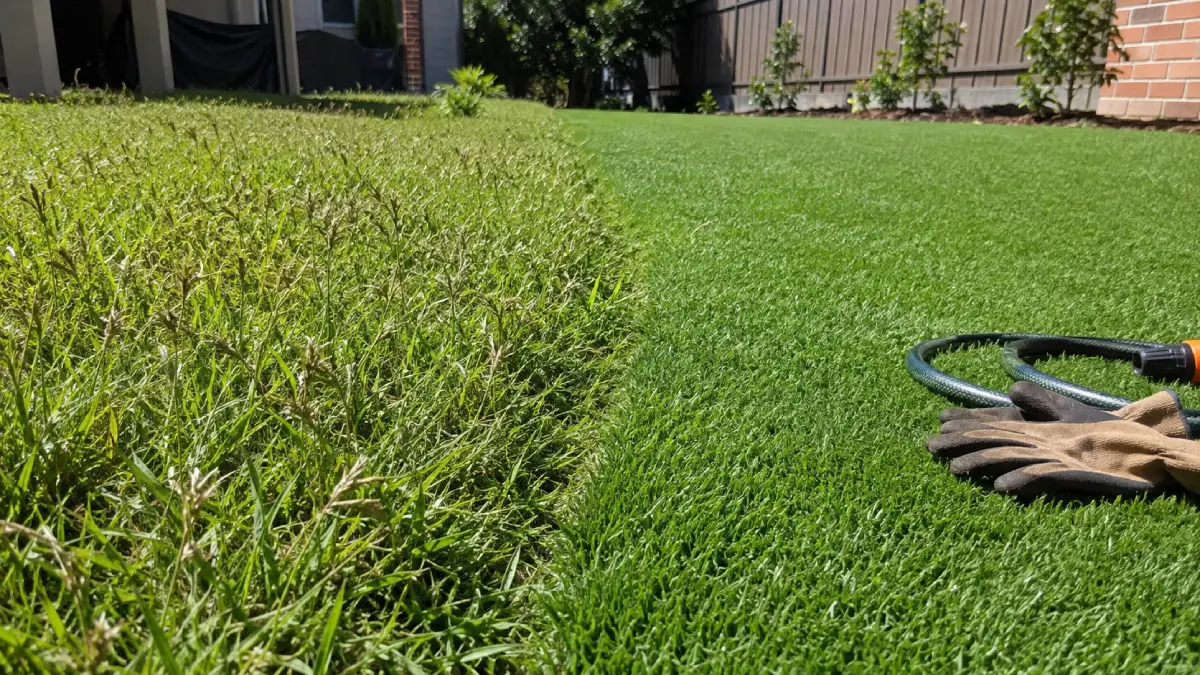
Lawn grub damage can sometimes be mistaken for drought stress, disease, or poor soil conditions. However, there are a few tell-tale signs that clearly point to a grub infestation.
One of the most common signs is patchy discolouration.
You may notice:
Unlike drought damage, grub-affected areas won’t bounce back easily because the roots have been eaten.
This is one of the clearest indicators of lawn grubs.
If you can:
…it’s a strong sign the roots have been destroyed by grubs feeding underneath.
Walking across your lawn may feel different.
A grub-infested lawn often feels:
This happens because the root system — which normally anchors the grass — has been weakened or destroyed.
If birds are suddenly flocking to your lawn, they may not just be passing through — they’re likely feeding.
Common signs include:
They’re attracted to the grubs beneath the surface.
Grub damage can escalate fast.
You may notice:
This is especially common during warmer months when grubs are actively feeding.
If you see:
…it could indicate that eggs are being laid, which will soon hatch into grubs.
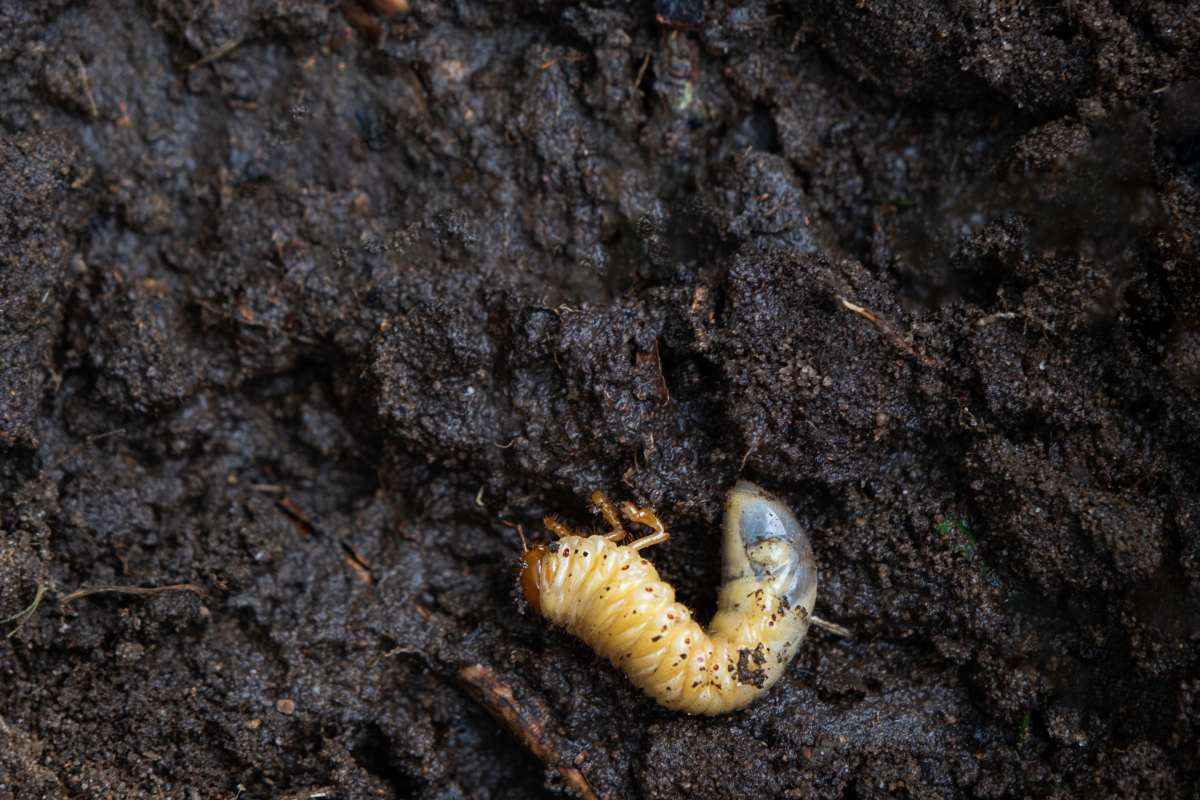
Before treating your lawn, it’s important to confirm the issue.
Simple Test:
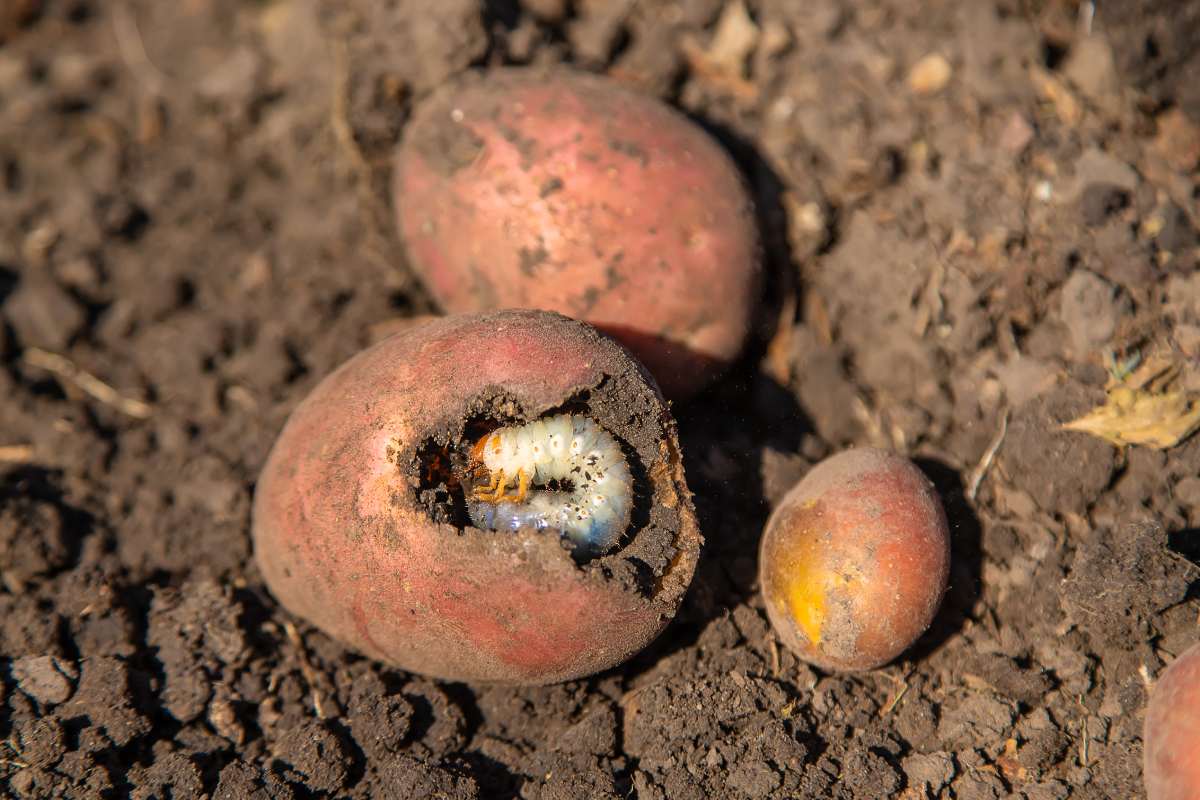
If you see white, C-shaped larvae, you’re dealing with lawn grubs.
Generally, finding more than 8–10 grubs in that area indicates a problem that needs attention.
If you’ve confirmed lawn grubs, your next question is likely: What works fast?
While “immediate” results can vary depending on the product, some treatments act much faster than others.
Liquid grub treatments are one of the quickest ways to control an active infestation.
Why they work fast:
These are ideal when you need rapid results to stop ongoing damage.
Granular products can also be effective, especially when:
Watering is essential because it helps move the active ingredient into the soil where the grubs are.
While slightly slower than liquids, many still begin working within a few days.
Some modern lawn care products offer both:
These are useful for long-term lawn health and prevention.
You may come across DIY solutions like:
While these can sometimes bring grubs to the surface, they generally:
For serious problems, targeted treatments are usually necessary.
It’s important to set realistic expectations.
Even fast-acting treatments typically:
So while you may not see instant results overnight, effective products do work quickly beneath the surface.
Getting the most out of your grub killer treatment is just as important as choosing the right product.
Step-by-Step Guide:
1. Mow Your Lawn First: This helps the product reach the soil more effectively.
2. Apply Evenly: Follow label instructions carefully to avoid over- or under-application.
3. Water Thoroughly: This step is critical — it activates the product and carries it down to the root zone.
4. Avoid Mowing Immediately After: Wait at least 24–48 hours to allow the treatment to work.
Once the grubs are gone:
Your next focus should be lawn recovery and strengthening.
After dealing with grubs once, you’ll want to avoid a repeat.
Prevention Tips:
A strong lawn is your best defence against pests.
Get one of our team members to contact you and discuss your options!
To recap:
If your lawn is severely damaged or you’re unsure what pest you’re dealing with, it may be time to seek expert help.
A professional turf specialist can:
Yes, severe infestations can destroy large sections of a lawn by eating the root system, especially if left untreated.
Lawn grubs can cause noticeable damage within a few weeks, particularly during warm weather when they are most active.
Light watering is needed to activate most treatments, but heavy rain immediately after application can reduce effectiveness by washing the product away.
Most lawn grubs live below the soil surface, but you may occasionally see them if they are disturbed or brought up by animals.
No, brown patches can also be caused by drought, disease, or nutrient issues. It’s important to inspect the soil to confirm the presence of grubs before treating.
Lawn grubs can cause serious damage quickly, but the earlier you identify the signs, the easier they are to control.
If you’re dealing with persistent lawn issues or want expert advice, the team at A View Turf can help you choose the right turf and lawn care solutions for Australian conditions.
A healthy lawn starts with early action — and a little attention goes a long way.
A View Turf