Home » How to Naturally Get Rid of Lawn Grubs? Does Dishwashing Liquid Really Kill Grubs?
Get one of our team members to give you a call to discuss your project!
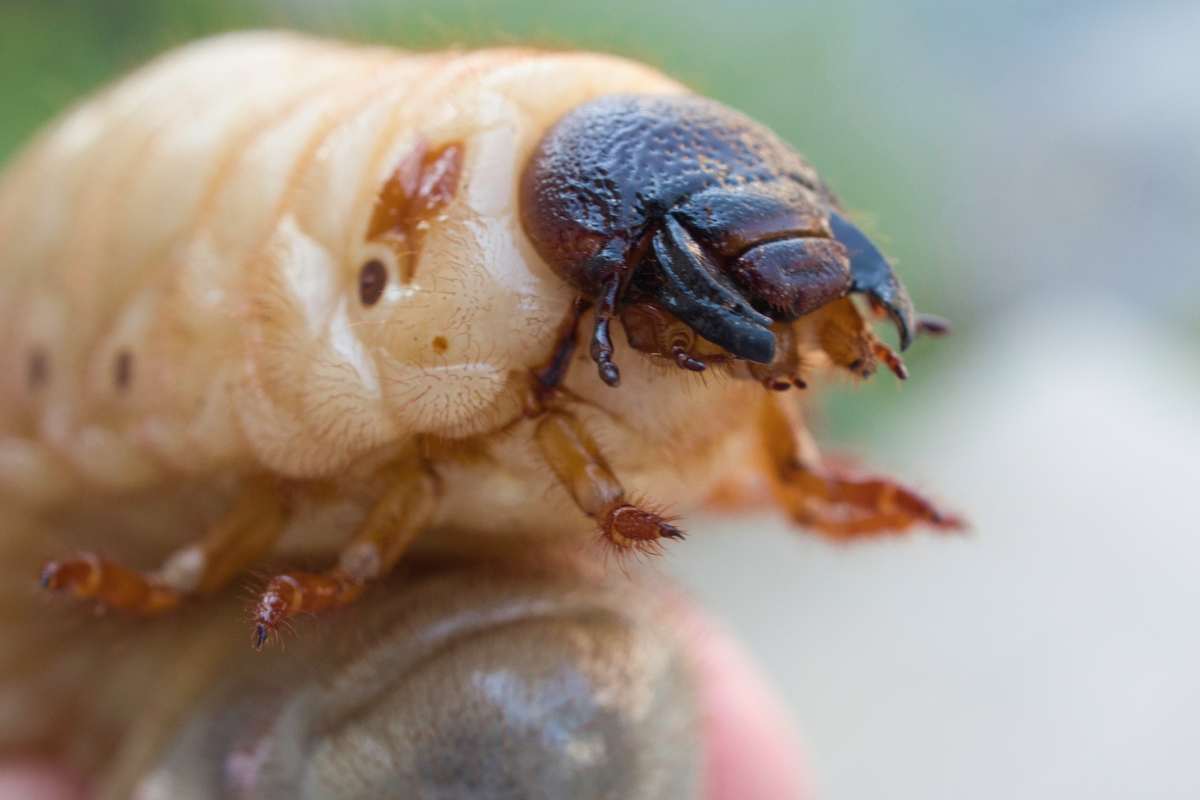
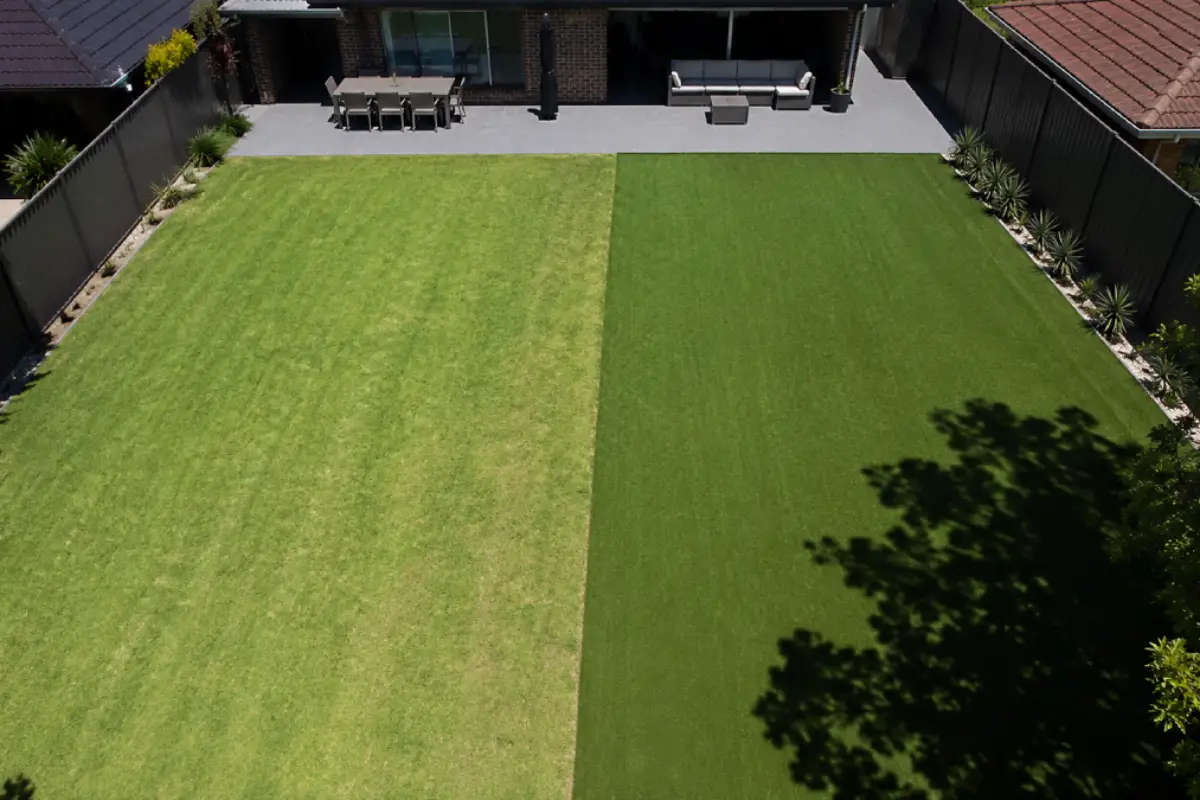
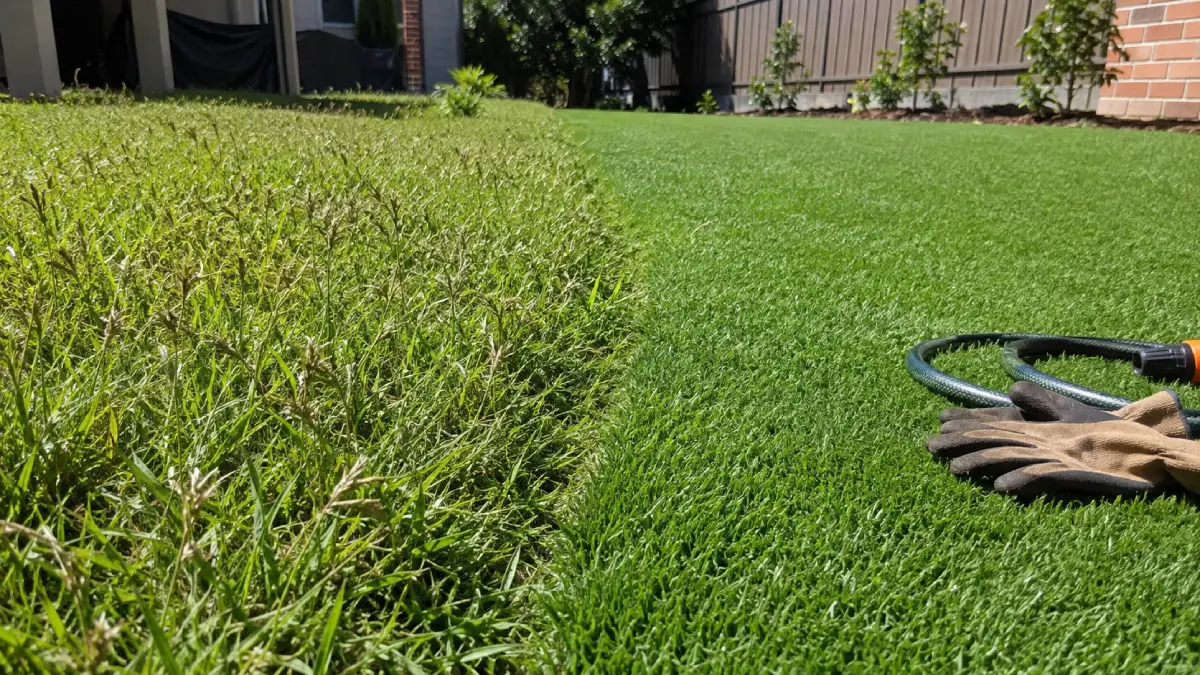
Lawn grubs are one of the most frustrating problems for Australian homeowners. One minute your lawn looks lush and green — the next, it’s patchy, brown, and lifting under your feet.
While chemical treatments are commonly used, many homeowners are now looking for natural, eco-friendly ways to control lawn grubs — especially if they have pets, kids, or want to avoid harsh chemicals like a grub killer.
But do natural methods really work? And what about the popular DIY trick using dishwashing liquid — does it actually kill grubs?
Let’s break it all down so you can make the right decision for your lawn.
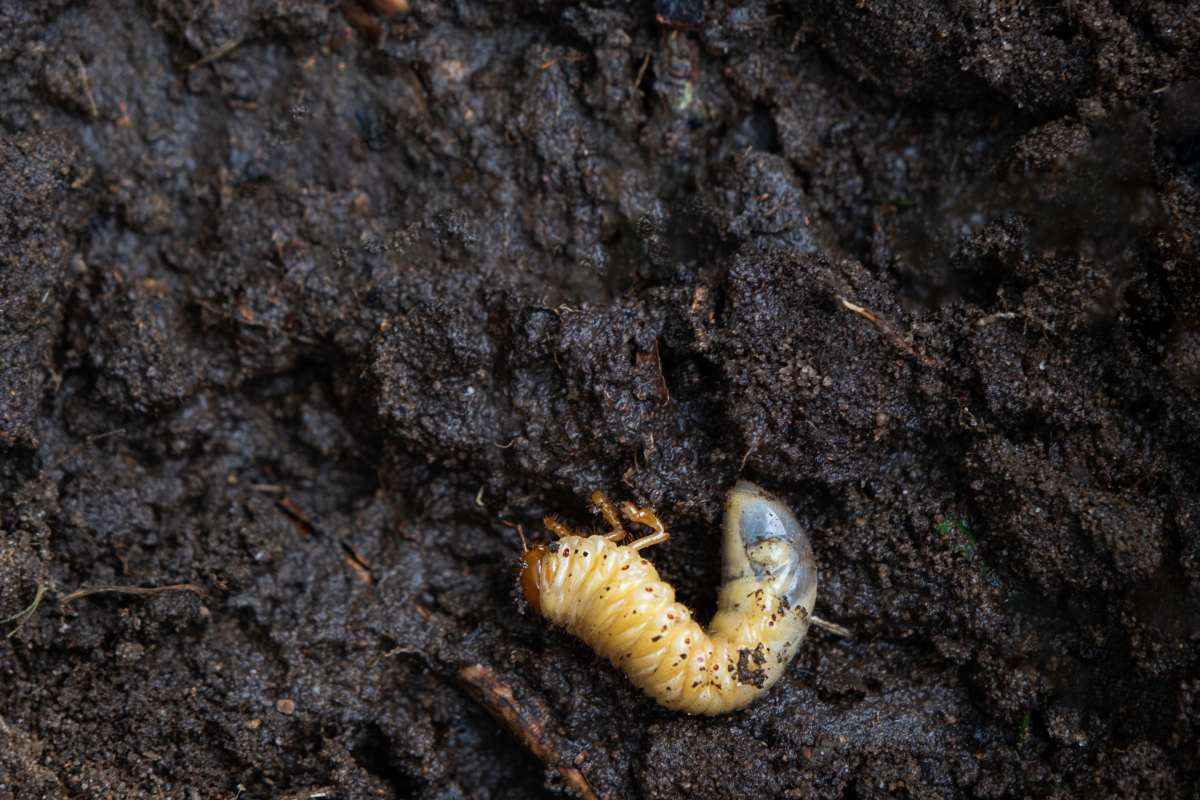
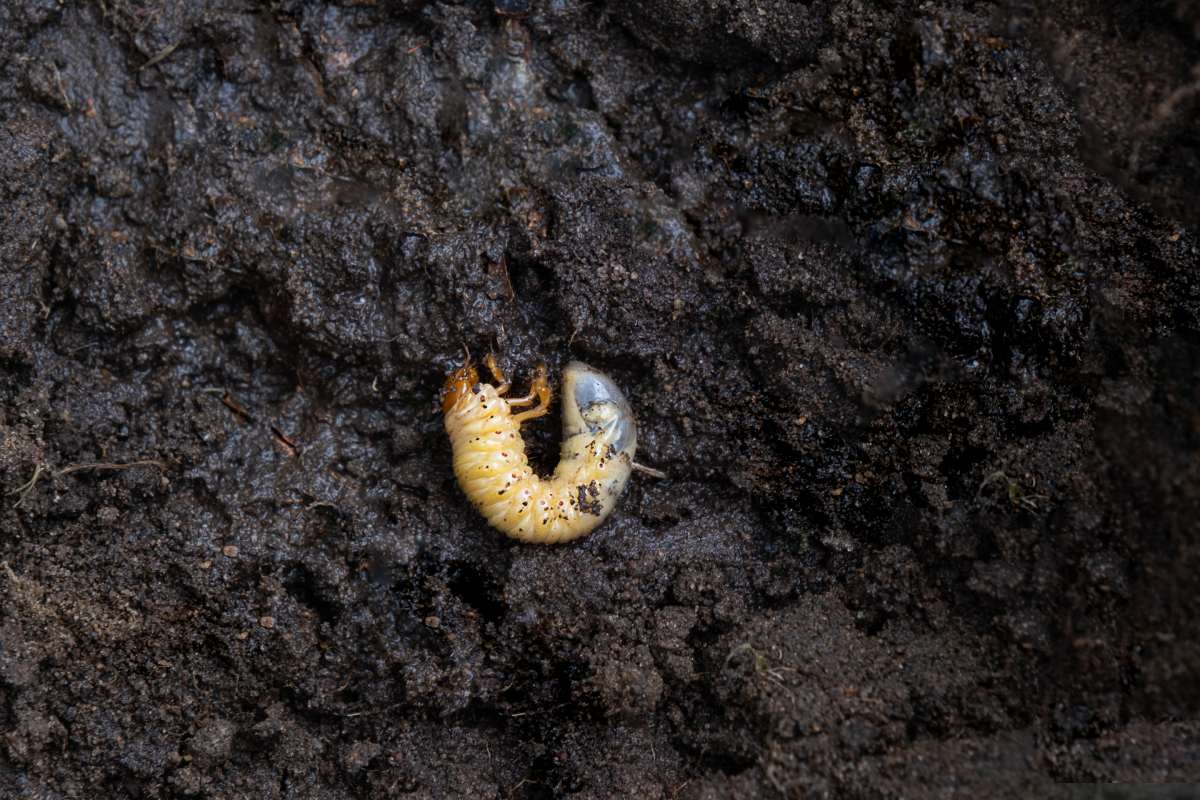
Lawn grubs are the larvae of beetles and moths that live in the soil and feed on your grass.
Some of the most common types in Australia include:
These pests damage your lawn by:
The result? Brown patches, thinning grass, and in severe cases, completely dead sections of lawn.
Yes — but it depends on the severity of the infestation.
Natural methods can be effective for:
However, they may not be strong enough for large or severe infestations, where more targeted treatment may be required.
Here are the most effective natural methods you can use to control lawn grubs without harsh chemicals.
Beneficial nematodes are microscopic organisms that live in the soil and naturally target pests like lawn grubs.
How they work:
Nematodes are widely considered one of the most reliable natural grub control methods available.
Nature already has its own pest control system.
Animals that feed on lawn grubs include:
While this won’t eliminate grubs entirely, it helps keep populations under control.
This is one of the most well-known DIY methods.
However, it’s important to understand its limitations (more on this below).
A strong lawn is naturally more resistant to pests.
Key practices:
Healthy grass can tolerate minor grub activity without showing visible damage.
Neem-based products are sometimes used as a natural pest control option.
Benefits:
Limitations:
Get one of our team members to contact you and discuss your options!
This is one of the most common questions — and the answer is a bit more nuanced than a simple yes or no.
Dishwashing liquid works by:
In some cases, it can:
Not really — at least not as a reliable solution.
While dishwashing liquid may:
…it generally won’t eliminate a full infestation, especially for grubs living deeper in the soil.
Think of it as a diagnostic tool rather than a true treatment.
Dishwashing liquid can help:
But for ongoing control, you’ll need more effective methods like nematodes or targeted treatments.
To maximise success, follow these tips:
Grubs are easiest to control when:
In Australia, this is usually during spring and early summer.
Many natural treatments (especially nematodes) require moist soil to work effectively.
Using multiple approaches together (e.g. nematodes + lawn care improvements) increases success rates.
Early detection is key to preventing serious damage.
To recap:
With the right approach, your lawn can return to being green, healthy, and resilient.
If your lawn is severely damaged or you’re unsure what pest you’re dealing with, it may be time to seek expert help.
A professional turf specialist can:
Yes, most natural treatments like beneficial nematodes are safe for pets, children, and the environment when used correctly.
It depends on the method. Nematodes may be applied once or twice per season, while other natural methods may require more frequent use.
Yes, in some cases a combined approach works best — especially for moderate to severe infestations.
They can significantly reduce grub populations, but complete elimination may not always be possible without stronger treatments.
Maintaining a healthy lawn, applying beneficial nematodes, and monitoring for early signs are the most effective natural prevention strategies.
Natural lawn grub control is absolutely possible — but it requires the right approach and realistic expectations.
If you’re unsure which approach is right for your lawn, the team at A View Turf can help you choose the best turf and care strategies for Australian conditions.
A healthy lawn doesn’t just look good — it’s also your best defence against pests.
A View Turf