Home » How to Identify Lawn Fungus and How to Treat It
Get one of our team members to give you a call to discuss your project!
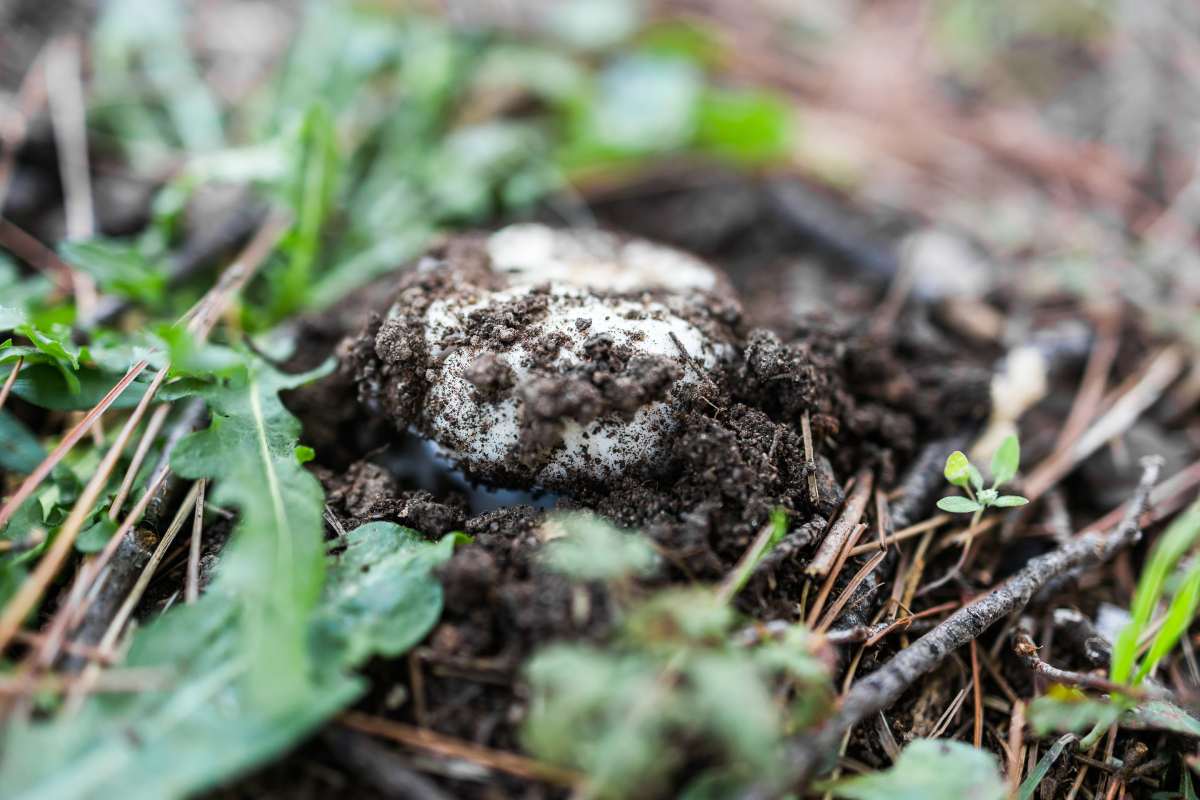
A healthy lawn shouldn’t develop strange patches, rings, or discolouration overnight. If yours has, there’s a good chance you’re dealing with lawn fungus.
Fungal diseases are one of the most common issues Sydney and NSW homeowners run into, particularly during humid summers and mild, damp autumns. The tricky part is that lawn fungus can look a lot like other problems, including pest damage, drought stress, or poor mowing habits, which makes correct identification the most important step.
Let’s break down the most common types of lawn fungus, how to tell them apart, and what actually works to treat them.
Fungal spores exist in almost every lawn, all the time. The problem isn’t the presence of fungus, it’s the conditions that allow it to spread and cause visible damage.
Fungus tends to take hold when there’s:
Warm, humid conditions combined with moisture sitting on the grass overnight are the perfect storm for fungal growth, which is exactly why lawn fungus tends to spike over summer and into early autumn across NSW.

Brown patch is one of the most frequently seen lawn fungus issues, especially in buffalo lawns during humid weather.
How to identify it:
Dollar spot gets its name from the small, coin-sized patches it creates, though these can merge into larger areas over time.
How to identify it:
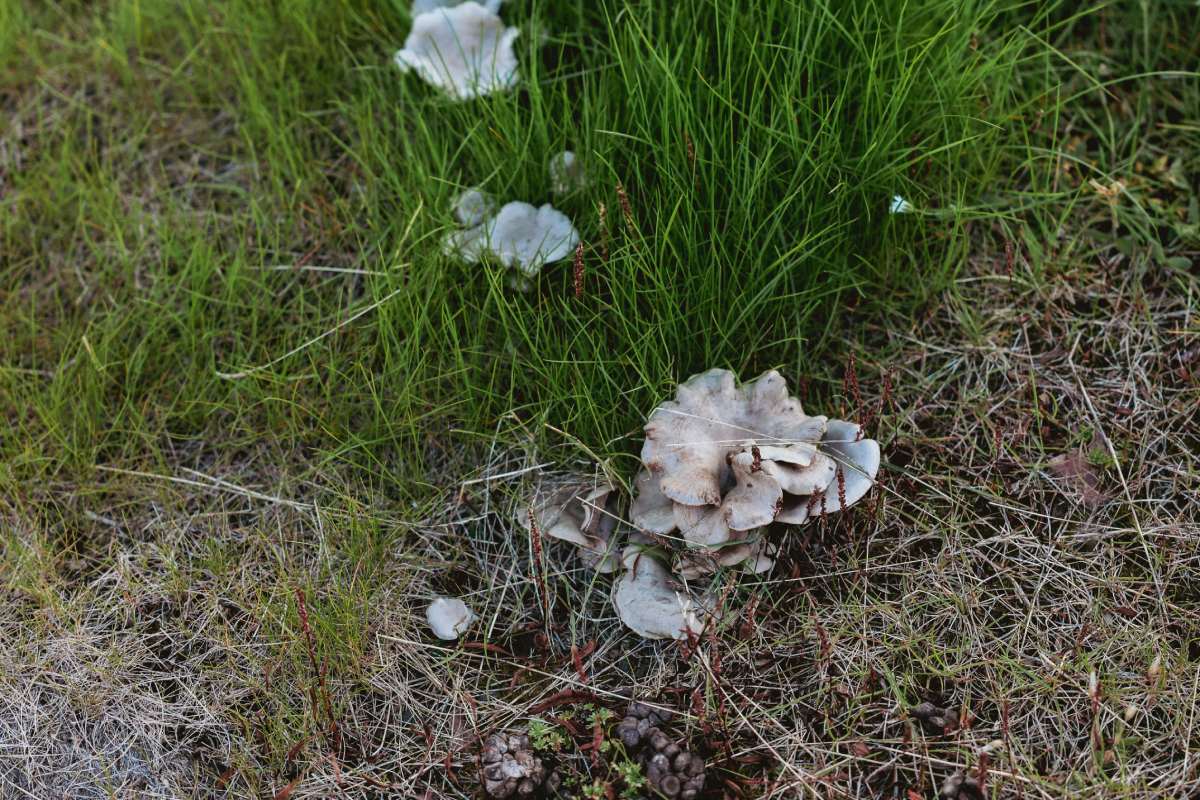
Fairy ring is a distinctive fungal issue that forms rings or arcs of dark green or dead grass.
How to identify it:
Powdery mildew tends to affect lawns in shaded areas with poor air circulation.
How to identify it:
Rust is a fungal disease that’s easy to spot once you know what to look for, though it’s often mistaken for general lawn discolouration.
How to identify it:
Get one of our team members to contact you and discuss your options!
Watering habits are one of the biggest contributors to fungal growth, and adjusting them is often the first and most effective step.
Dense, overgrown turf holds onto moisture and creates the damp conditions fungus thrives in.
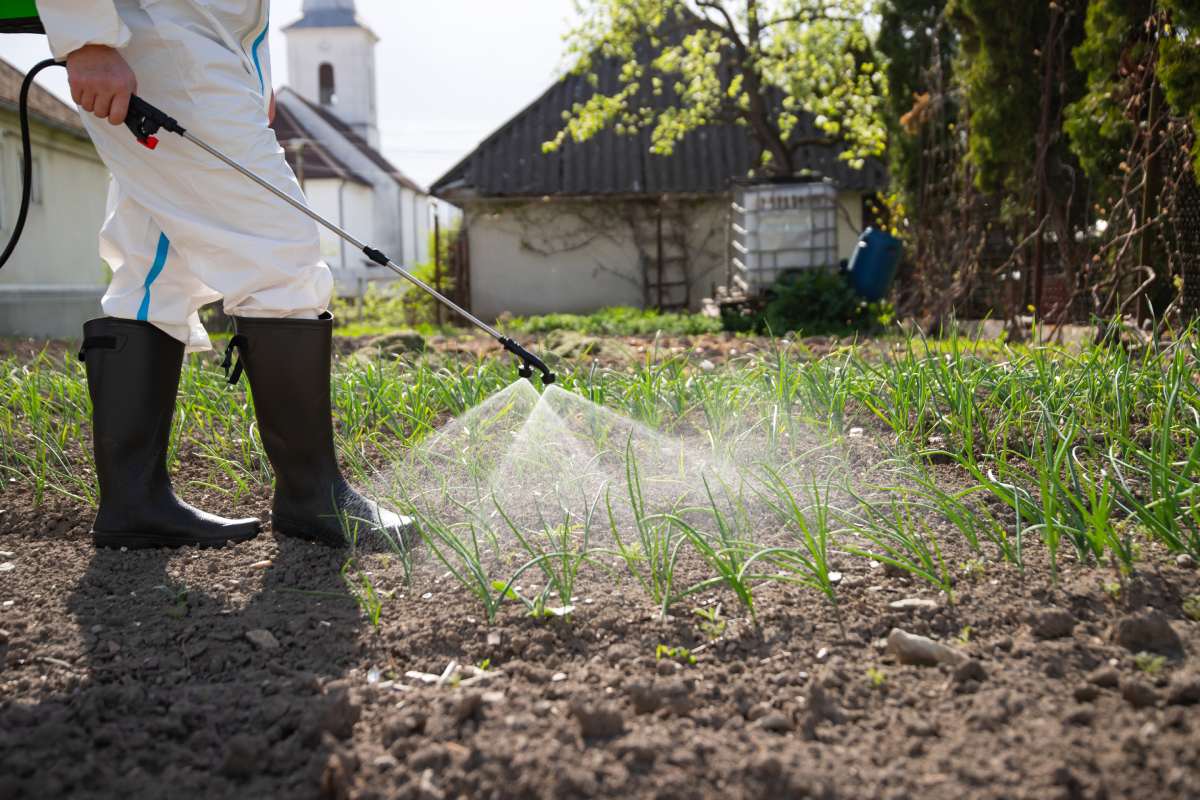
For active fungal outbreaks, a fungicide is usually necessary to bring the problem under control.
Once the fungus is under control, help your lawn bounce back with good aftercare.
Prevention is far easier than treatment when it comes to lawn fungus. A few consistent habits go a long way:
Most fungal issues can be managed with adjustments to watering, mowing, and a targeted fungicide treatment. However, if the fungus keeps returning, is spreading rapidly, or has caused significant damage across large areas of your lawn, it’s worth getting professional advice.
A turf specialist can correctly identify the exact fungus you’re dealing with and recommend the right treatment plan, saving you time and preventing further damage.
Most common lawn fungal diseases aren’t directly harmful to pets or children, but it’s best to keep them off treated areas until any fungicide has fully dried or as directed on the product label.
Recurring fungus is usually a sign of an underlying issue, such as poor drainage, overwatering, excessive shade, or thatch buildup. Addressing these root causes is key to breaking the cycle.
Adjusting your watering schedule, improving airflow, and reducing thatch can significantly reduce fungal issues, and may be enough for mild cases. More established outbreaks typically need a targeted fungicide for full control.
This depends on the severity of the outbreak, but most lawns show improvement within a few weeks of correct treatment and aftercare, provided the underlying conditions have also been addressed.
Yes, mowing over an infected area and then moving to a healthy part of the lawn can spread fungal spores. Cleaning your mower blades between uses is a good habit during an active outbreak.
Lawn fungus tends to peak during humid summer weather and mild, damp autumn conditions, when moisture sits on the grass for extended periods. Some types, like fairy ring, can appear at other times of year, particularly after heavy rain.
If your lawn is showing signs of fungus and you’re not sure what you’re dealing with, the team at A View Turf can help you identify the issue and get your lawn back on track.
Get in touch with A View Turf today for expert advice and a free, no-obligation quote.
Call us: 1800 799 222
Email: sale@avt.com.au
Visit: Ebenezer Wharf Road, Wilberforce NSW 2756
A View Turf