
Home » Fertilising Your Lawn: When, How & What to Use
Get one of our team members to give you a call to discuss your project!
A healthy, green lawn doesn’t just happen on its own. While watering and mowing are essential parts of lawn maintenance, fertilising is what provides your grass with the nutrients it needs to grow strong, thick, and resilient throughout the year.
Many homeowners invest in quality turf but overlook the importance of a proper fertilising schedule. Without adequate nutrients, even the best lawn varieties can become thin, discoloured, and more susceptible to weeds, pests, and disease.
The good news is that lawn fertilising doesn’t need to be complicated. Understanding when to fertilise, how to apply fertiliser correctly, and which products to choose can make a significant difference to the health and appearance of your lawn.
In this guide, we’ll cover everything you need to know about fertilising your lawn, including seasonal recommendations, fertiliser types, application methods, and common mistakes to avoid.
Grass is a living plant, and like all plants, it draws nutrients from the soil to fuel photosynthesis, cell growth, and recovery from wear. Over time, those nutrients become depleted through natural uptake, rainfall, and regular mowing (where clippings are removed rather than mulched). Without replenishment, lawns begin to thin, lose colour, and become more vulnerable to weeds, pests, and drought stress.
Fertilising restores that balance. A well-fed lawn produces dense, vigorous growth that naturally crowds out weeds, recovers faster from foot traffic, and maintains its deep green colour even in dry periods — particularly important for Sydney’s warm, often water-restricted summers.
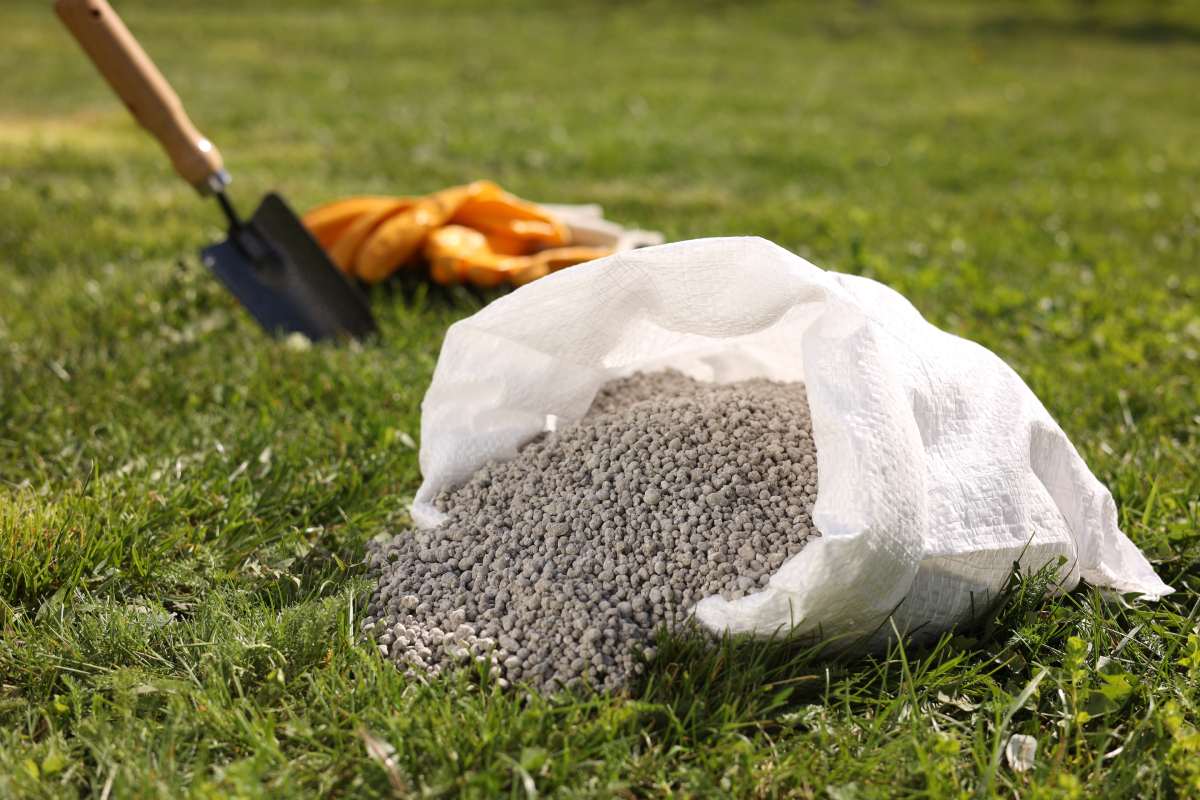
Every fertiliser product will carry an N-P-K ratio on its label. These three letters stand for nitrogen (N), phosphorus (P), and potassium (K) — the three primary macronutrients that grass needs in meaningful quantities.
Nitrogen (N) is the growth driver. It stimulates leaf and shoot development, giving your lawn that lush, deep-green look. It’s the nutrient your lawn will consume most rapidly and the one most commonly deficient in Sydney soils.
Phosphorus (P) supports root development and is especially important for newly laid turf. Strong roots mean better drought resistance and more efficient uptake of water and other nutrients.
Potassium (K) is the stress manager. It helps grass cope with heat, drought, disease, and heavy wear. For Sydney lawns facing summer heat and water restrictions, potassium plays an underappreciated role in keeping grass alive and resilient.
In addition to these three, a complete fertiliser will often include trace elements such as iron (for colour enhancement), sulphur (which acidifies soil and supports root health), magnesium, and zinc. These micronutrients matter more than many homeowners realise, particularly in sandy coastal soils where they leach out quickly.
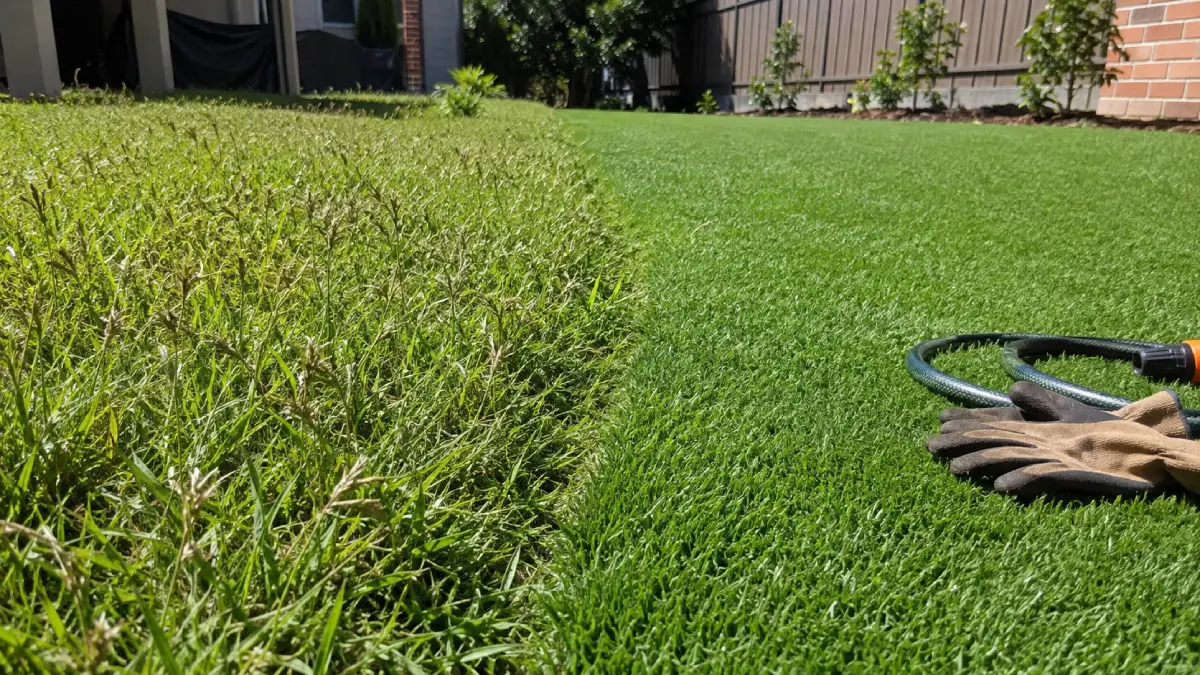
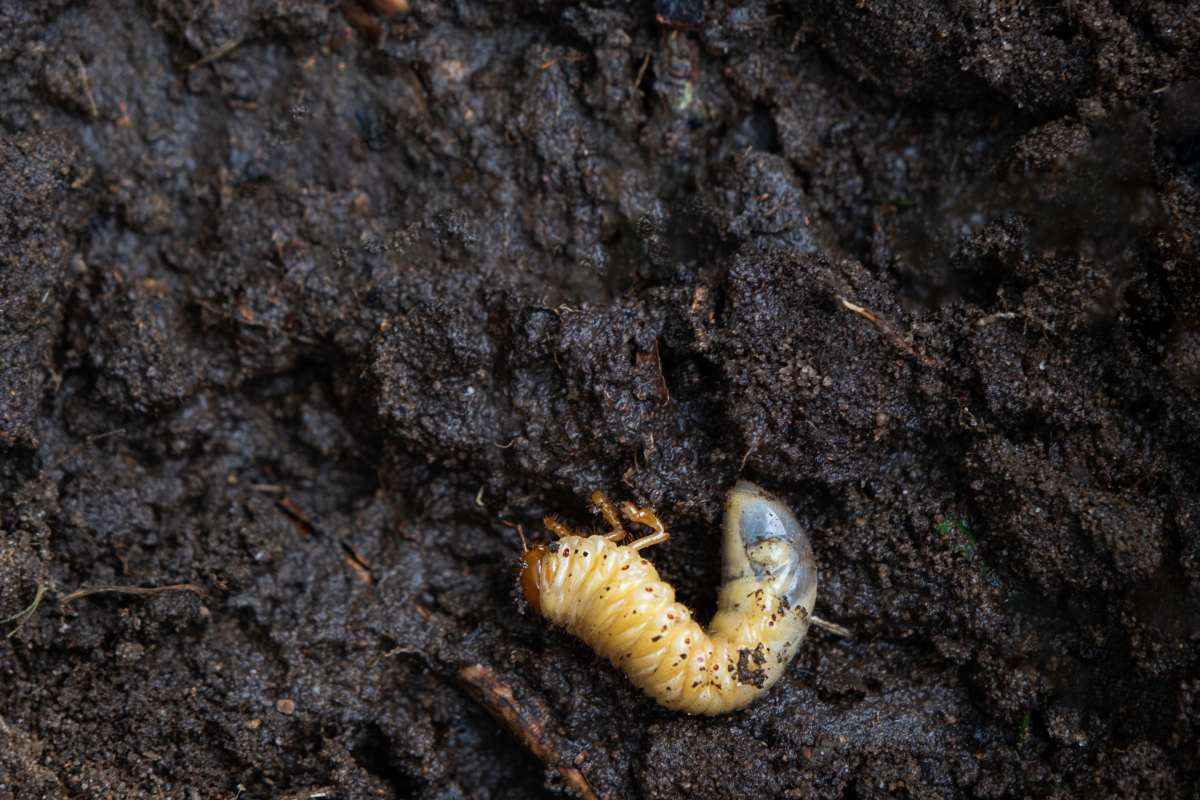
Timing your fertiliser applications to match your lawn’s growth cycles is just as important as the product you use. Fertilising at the wrong time — particularly going into winter — can cause more harm than good.
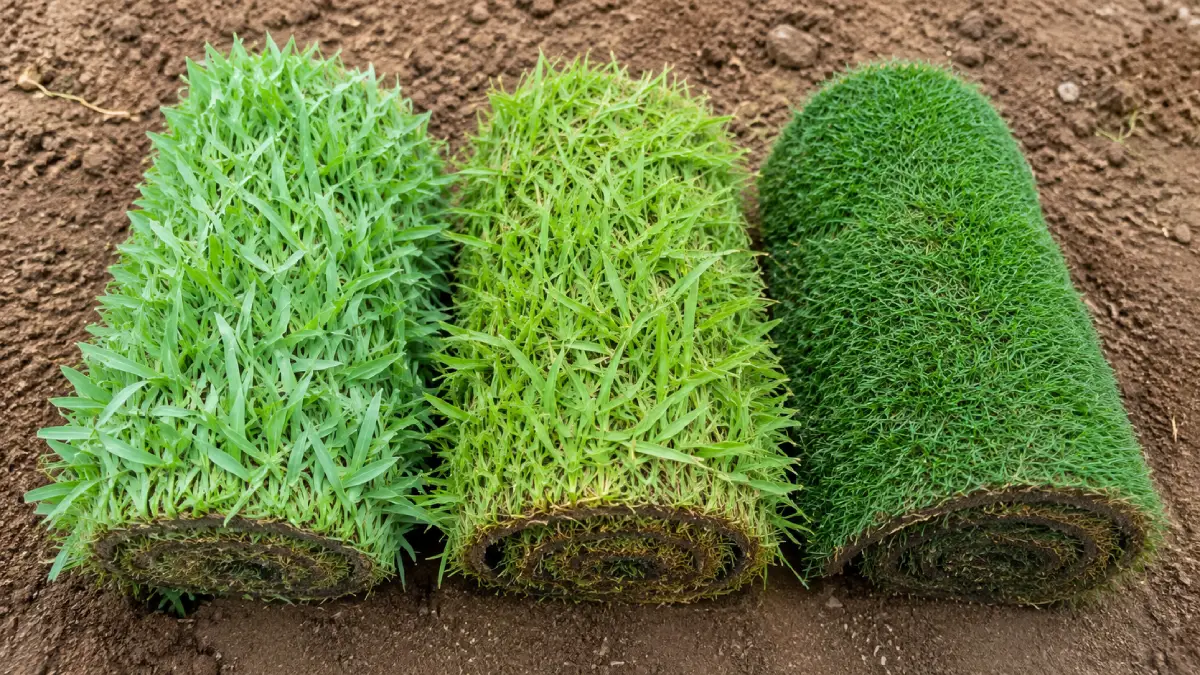
As temperatures warm from around September onwards, warm-season grasses like Buffalo, Kikuyu, and Couch emerge from their winter slow-down and enter a period of vigorous growth. This is the single most important time to fertilise. A spring application supports strong shoot and root development right when the lawn is ready to respond.
Choose a slow-release, balanced fertiliser for your spring application. Slow-release formulas feed gradually over 8–12 weeks, reducing the risk of burning and avoiding the boom-and-bust growth cycles associated with quick-release products.
During the height of summer, your lawn is under peak stress — heat, UV exposure, foot traffic, and reduced watering all take their toll. A light mid-summer application of a fertiliser with elevated potassium and iron can help maintain colour and resilience without pushing excessive leafy growth that will struggle in the heat.
Avoid heavy nitrogen applications in peak summer heat, as this can stimulate soft, vulnerable growth and increase the risk of fungal disease.
An early autumn feed — ideally around March–April in Sydney — helps the lawn build reserves heading into its winter slow-down. Choose a fertiliser lower in nitrogen but higher in potassium to harden the grass rather than push lush growth that will be vulnerable to cold snaps.
For Sydney’s warm-season grasses, winter fertilising is rarely necessary and often counterproductive. Growth slows significantly, and any nutrients applied are largely wasted — or worse, fuel the weeds that continue to grow while your grass is dormant. Save your fertiliser budget for spring.
Mow your lawn a day or two before applying fertiliser, and remove the clippings. This ensures the product reaches the soil surface rather than sitting on a thick thatch layer, and gives the leaf blades time to recover from the cut before any product touches them.
If your lawn is dry and stressed, give it a thorough watering the day before fertilising. Applying fertiliser to parched grass — especially granular products — can cause burning.
Uneven application leads to striping — patches of dark, overfed grass alternating with paler, underfed areas. Use a broadcast or rotary spreader for granular products to ensure consistent coverage across the entire lawn. For liquid fertilisers, a hose-end sprayer is ideal.
Walk at a steady pace, overlap your passes slightly, and don’t stop mid-application. Always apply the first half of your product in one direction, then the remaining half perpendicular to your first pass — this “cross-hatching” technique gives the most even result.
After applying granular fertiliser, water the lawn thoroughly to dissolve the granules and move nutrients down into the soil. Failing to water in promptly — particularly in hot weather — can cause leaf burn as the product sits on the grass blades.
Give the lawn 24–48 hours after watering in before resuming normal use. Keep children and pets off until after that first watering.
Sydney’s warm-season grasses each have slightly different nutritional needs, and the right product choice depends on the variety you’re growing.
Buffalo grass is a moderate to high feeder and responds well to slow-release granular fertilisers with a balanced N-P-K ratio. It benefits from regular iron supplementation to maintain its deep green colour — iron deficiency often manifests as a yellowing that’s mistaken for nitrogen deficiency. Choose a fertiliser specifically labelled safe for Buffalo to avoid products with high levels of dicamba or similar herbicides that can damage this variety.
A View Turf stocks its own branded fertiliser, which is formulated specifically for the varieties it supplies and includes the micronutrients Sydney lawns commonly lack.
Kikuyu is a vigorous, fast-growing grass that responds strongly to nitrogen. During its peak growth period in spring and summer, it can handle a higher-nitrogen fertiliser more readily than slower-growing varieties. However, be cautious not to over-feed — excess nitrogen will push rapid, rank growth that requires frequent mowing and is more susceptible to disease.
Couch grass is a sun-lover and a reasonably heavy feeder. Regular applications of a balanced slow-release fertiliser throughout the growing season will keep it dense and resilient. Couch responds particularly well to potassium boosts in late summer to prepare it for cooler conditions.
For most home lawns, slow-release granular fertilisers are the better choice. They feed over an extended period, reduce the risk of burning, and require fewer applications per year. Quick-release products (including liquid fertilisers) are useful for addressing specific deficiencies rapidly — yellowing leaves, for example — but shouldn’t be relied on as the primary feeding method.
The ideal frequency depends on:
As a general guide:
A regular schedule generally produces better results than occasional heavy applications.

There are many lawn fertilisers available, and selecting the right one can be confusing.
Understanding the main categories can help simplify the decision.
Slow-release fertilisers gradually release nutrients over time.
Advantages include:
These products are often recommended for homeowners seeking long-lasting results.
Fast-release products deliver nutrients quickly.
Benefits include:
However, they typically require more frequent applications and carry a higher risk of over-fertilisation.
Organic products use natural ingredients to improve soil and lawn health.
Benefits include:
Organic fertilisers can be particularly beneficial as part of a long-term lawn care strategy.
Applying fertiliser correctly is just as important as choosing the right product.
Before fertilising, mow the lawn if required.
In our recent article, “Lawn Mowing Tips for a Healthier Lawn,” we discussed the importance of maintaining the correct mowing height and following the one-third rule. A properly mowed lawn allows fertiliser to reach the soil surface more effectively and promotes even nutrient uptake.
This makes lawn mowing and fertilising complementary practices that work together to improve overall lawn health.
Slightly moist soil often helps fertiliser absorb more effectively.
However, avoid applying fertiliser to waterlogged lawns.
Uneven application can lead to:
Using a fertiliser spreader helps ensure consistent coverage across the entire lawn.
Most granular fertilisers should be watered in after application.
This helps:
Always follow the manufacturer’s instructions.
Get one of our team members to contact you and discuss your options!
New turf has different nutritional needs compared to established lawns.
When installing new turf:
As discussed in our articles on “How Often Should You Water New Turf?” and “When Is the Best Time to Lay Turf?”, establishing strong roots should be the primary goal during the first few weeks after installation.
Once the lawn is established, a regular fertilising program can begin.
Fertilising is most effective when combined with other good lawn care habits.
A healthy lawn care program should include:
Each practice supports the others and contributes to a healthier, more attractive lawn.
Lawns often provide visible clues when nutrient levels are low.
Common signs include:
Nitrogen deficiencies often cause grass to lose its rich green colour.
A lawn that appears stagnant during the growing season may lack nutrients.
Sparse grass can indicate insufficient nutrient availability.
Weak lawns are more vulnerable to weed invasion.
If your lawn struggles to recover after mowing, foot traffic, or stress, fertilisation may help restore vigour.
Over-fertilising is more common than under-fertilising and can cause lawn burn, excessive thatch build-up, and environmental runoff. Always follow the rate specified on the label — more is not better.
Fertilising in drought conditions without adequate irrigation is a recipe for burned, damaged grass. Never apply granular fertiliser to a dry lawn and then fail to water it in.
Using the wrong product — particularly weed-and-feed products — on Buffalo can cause significant damage. Always check that any combined herbicide-fertiliser product is compatible with your turf variety before applying.
Ignoring soil pH is a frequently overlooked factor. Sydney soils often trend slightly acidic, and if your pH is significantly out of range (ideally 6.0–7.0 for most lawn grasses), fertilisers won’t be taken up efficiently no matter how much you apply. A basic pH test from a hardware store can identify whether lime or sulphur is needed to correct the balance.
Fertilising is one of the most effective ways to improve the health, appearance, and longevity of your lawn. By providing essential nutrients at the right time of year, you can encourage stronger roots, thicker growth, improved colour, and better resistance to drought, weeds, and disease.
For most Australian lawns, fertilising during spring and autumn delivers the greatest benefits, while choosing the right product and applying it correctly helps maximise results.
Combined with proper mowing, watering, and general lawn care, a consistent fertilising program can transform an average lawn into a lush, vibrant outdoor space.
If you’re planning a new lawn or need advice on maintaining your existing turf, contact A View Turf. Their experienced team can recommend the ideal turf variety and provide expert guidance on creating a healthy lawn that looks great all year round.
For most warm-season lawns in Sydney, three to four applications per year is sufficient — once in spring, once or twice over summer (depending on growth and condition), and once in early autumn. Avoid winter applications for Buffalo, Kikuyu, and Couch, as growth slows significantly and the nutrients will largely go to waste.
Not immediately. Freshly laid turf from A View Turf is already pre-fertilised at the farm. Allow the new lawn to establish for around 6–8 weeks before applying any additional fertiliser. During this establishment period, focus on consistent watering to encourage root penetration into the underlying soil. Once you see the turf rooting down firmly and beginning to grow, a light application of a slow-release starter fertiliser is appropriate.
Yellowing can indicate nitrogen deficiency, but it can also be caused by iron deficiency, overwatering, underwatering, incorrect pH, or pest activity. Before applying a heavy nitrogen feed, consider whether your lawn has had adequate moisture and check for other symptoms. A yellow lawn that has been regularly watered may benefit more from a liquid iron treatment than a nitrogen hit. If you’re uncertain, contact the team at A View Turf for personalised advice based on your turf variety and conditions.
Yes, provided you’re watering in efficiently. Sydney’s water restriction rules typically allow for targeted watering to establish or maintain lawns, and watering in fertiliser qualifies under most exemptions. However, always check current Water NSW and Sydney Water guidelines for the specific rules in force at the time. Slow-release granular fertilisers are a smart choice during restrictions as they don’t require heavy repeated watering — one good soak after application is sufficient to get nutrients moving into the soil.
Synthetic fertilisers provide concentrated, precise nutrient ratios and act quickly. They’re more predictable and easier to calibrate for specific deficiencies. Organic fertilisers — derived from materials like blood and bone, composted manures, or seaweed — release nutrients more slowly and also improve soil biology over time, which can lead to longer-term improvements in soil structure and water retention. For Sydney lawns, many experienced gardeners use a combination: slow-release synthetic granules as the primary feed, with occasional organic supplements (like liquid seaweed) to support soil health.
You need to be careful here. Many weed-and-feed products contain herbicides — particularly dicamba — that are harmful to Buffalo grass and can cause significant damage or even kill the turf. Always read the label thoroughly and look for products specifically formulated as safe for Buffalo. If in doubt, treat weeds separately from your fertilising programme, using selective herbicides proven compatible with your variety. The A View Turf team can recommend suitable products for your specific lawn.
From the moment your turf is cut at our Sydney farm to the day it passes the tug test in your backyard, we are here to help you get the best result. We supply premium Matilda Buffalo, Soft-Leaf Buffalo, Kikuyu, and Couch turf with next-day delivery across NSW — and we back every order with straightforward, practical advice based on years of experience in the Sydney turf industry.
Have a question about mowing, watering, establishment, or choosing the right variety for your yard? Get in touch with our team today.
Call us: 1800 799 222
Email: sale@avt.com.au
Visit: Ebenezer Wharf Road, Wilberforce NSW 2756
A View Turf