Home » Common Lawn Pests and How to Get Rid of Them
Get one of our team members to give you a call to discuss your project!
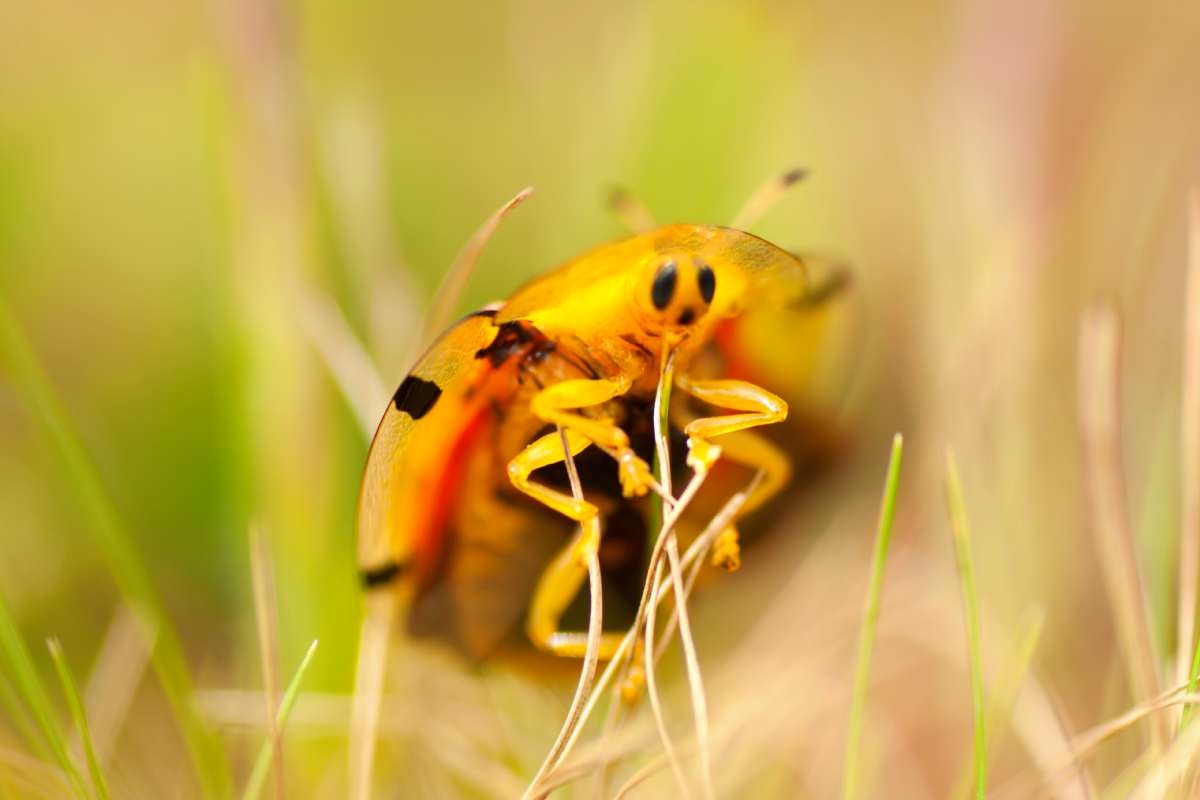
One week your lawn is thick, green, and bouncing back from every barbecue and backyard game. The next, you’re finding brown patches, chewed blades, or grass that lifts up like carpet when you tug on it.
Chances are, you’ve got pests.
Australian lawns deal with a wide range of insects and grubs that feed on grass roots, blades, and thatch. Left untreated, they can turn a healthy lawn into a patchy mess in a matter of weeks. The good news is that most lawn pests are treatable once you know what you’re dealing with.
Here’s a breakdown of the most common lawn pests in Sydney and NSW, how to spot them, and what actually works to get rid of them.
Australia’s warm, humid climate is ideal for turf — but it’s also ideal for the insects that feed on it.
Lawn pests tend to thrive when:
A weak, stressed lawn is far more vulnerable to pest damage than a thick, healthy one. Prevention and treatment usually go hand in hand.
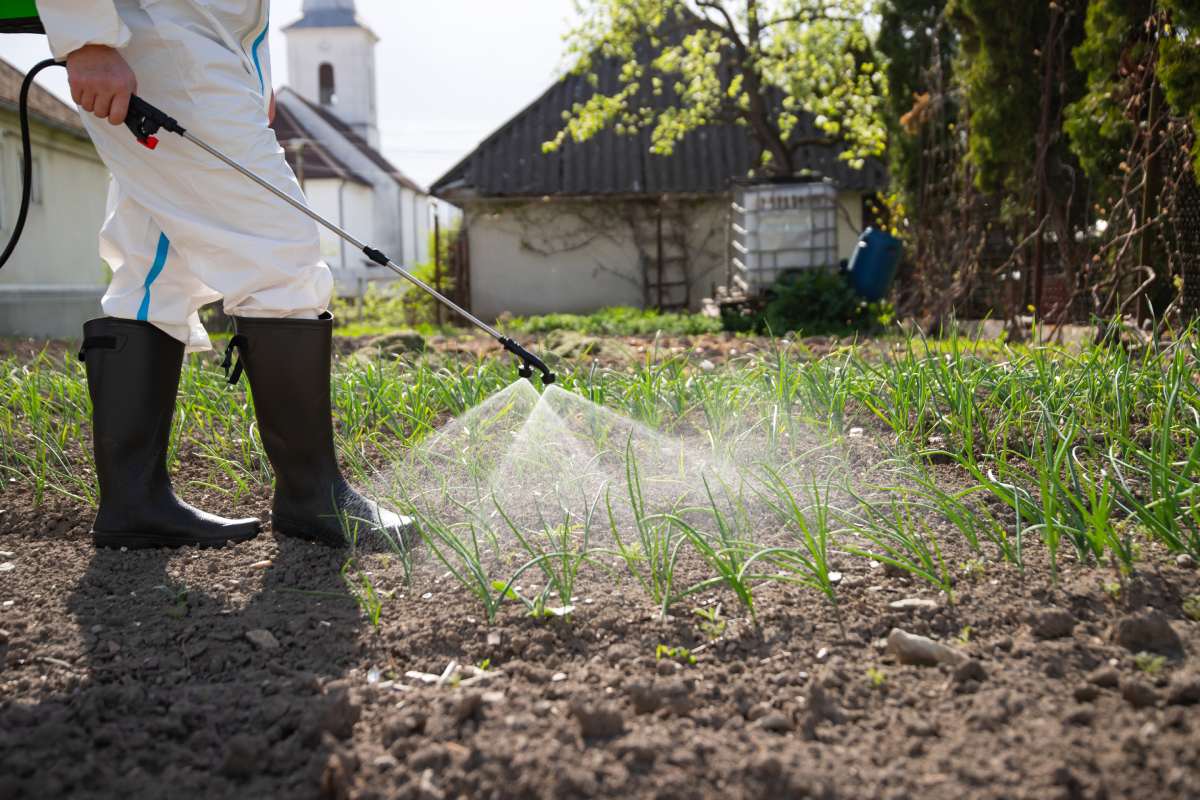
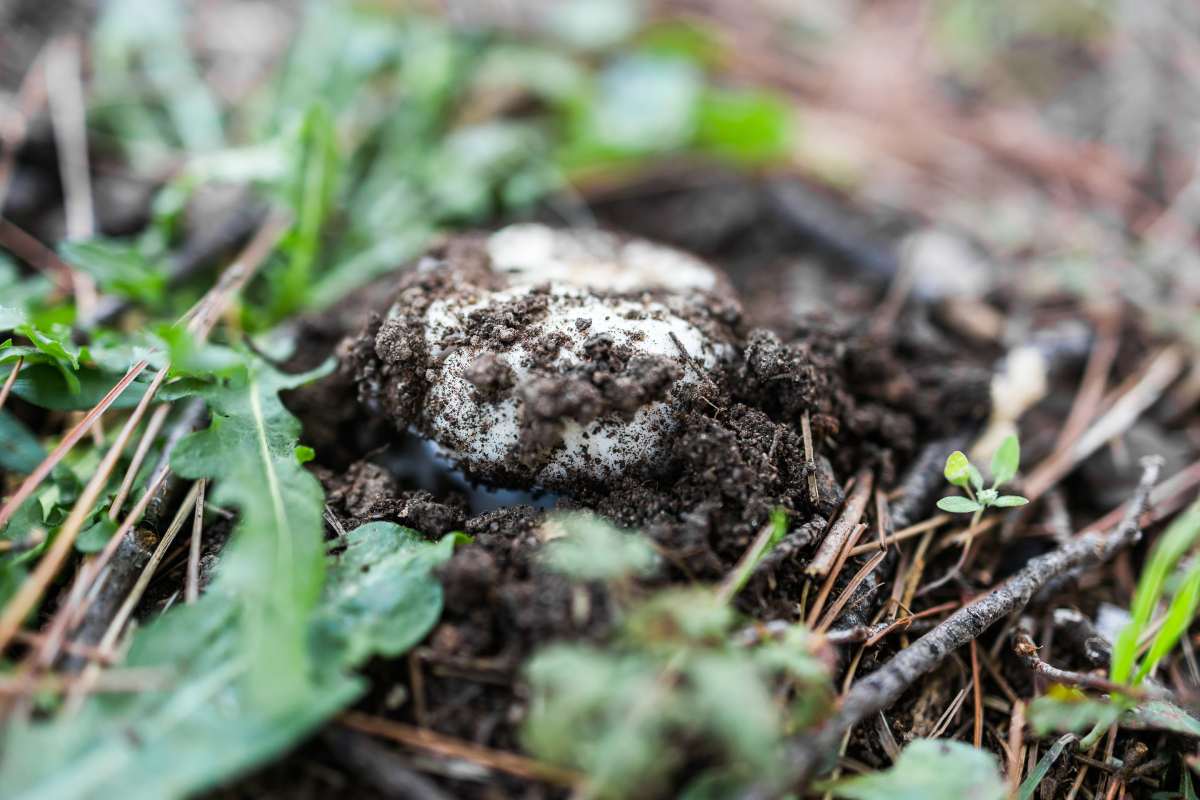
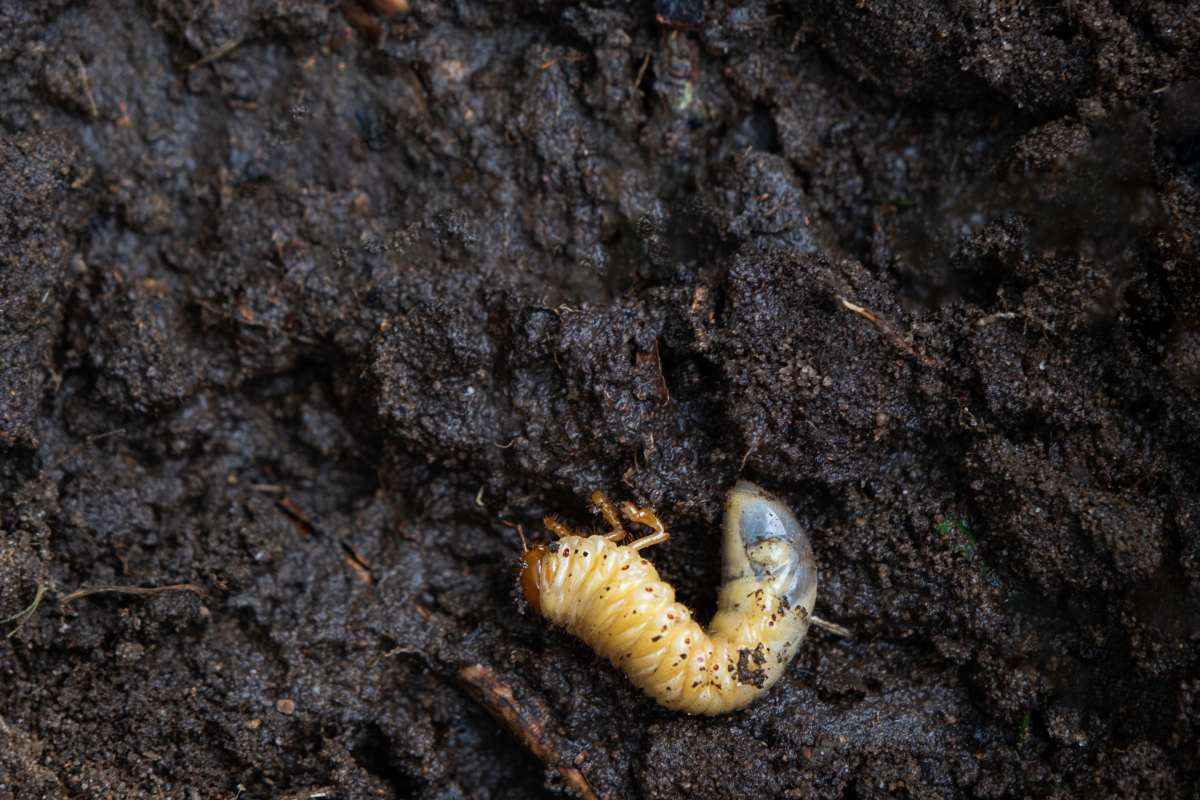
Curl grubs are one of the most common lawn pests across NSW. They’re the larvae of scarab beetles, and they live just below the surface, feeding on grass roots.
How to identify them:
How to treat curl grubs:
Armyworms are caterpillars that can strip a lawn of its leaf blades in a matter of days, particularly during warm, humid weather in late summer and autumn.
How to identify them:
How to treat armyworms:
African black beetles are a significant pest for lawns across NSW, particularly Kikuyu and buffalo varieties. Both the adult beetles and their larvae can cause damage.
How to identify them:
How to treat African black beetle:
Lawn mites are tiny pests that are easy to overlook, but they can cause significant stress to lawns during hot, dry periods.
How to identify them:
How to treat lawn mites:
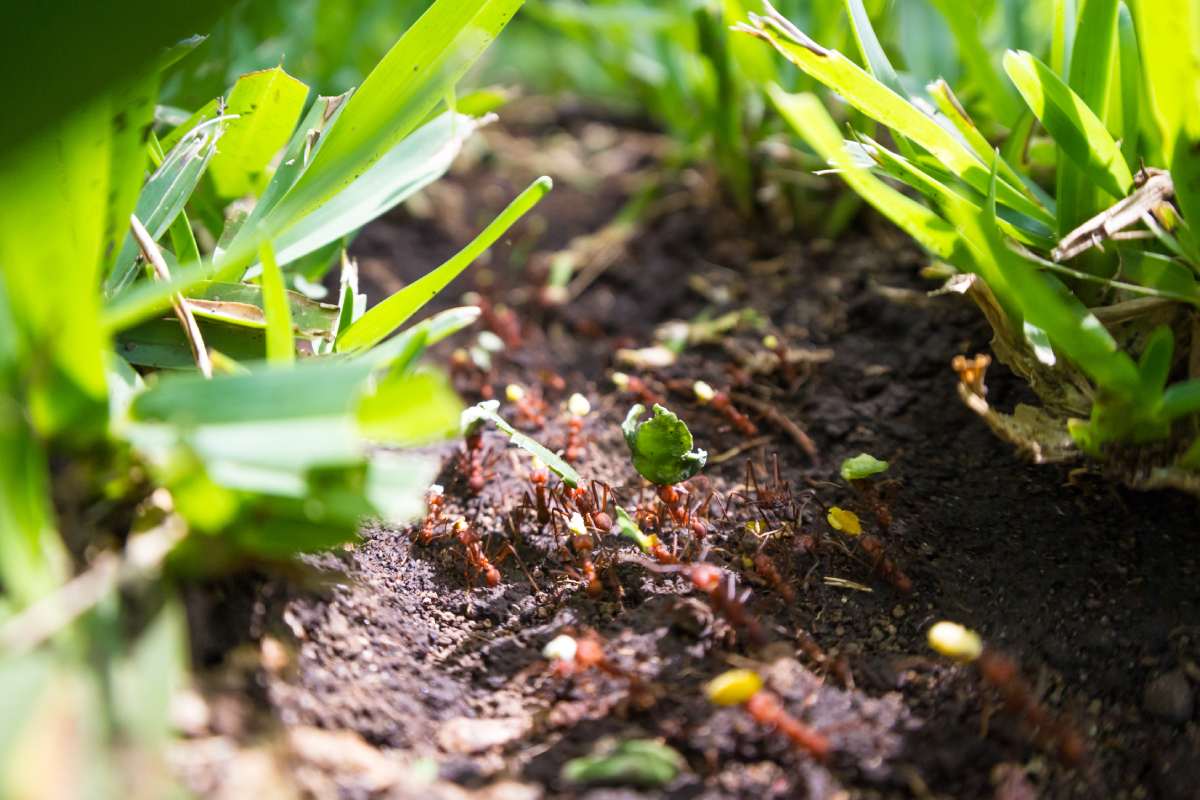
Ants themselves don’t feed on grass, but their nests can smother turf, disrupt root systems, and create unsightly mounds across the lawn.
How to identify them:
How to treat ants:
Get one of our team members to contact you and discuss your options!
While every pest has its own treatment approach, there are a few habits that help protect your lawn against most common pests:
Most pest problems can be managed with the right product and a bit of patience. But if your lawn is showing widespread damage, or you’re not confident identifying exactly what’s causing the problem, it’s worth getting expert eyes on it.
A professional turf specialist can identify the pest correctly, recommend the right treatment, and help you understand whether your lawn also needs renovation or fresh turf to fully recover.
Curl grubs and African black beetle are among the most common lawn pests across Sydney and NSW, particularly in buffalo and Kikuyu lawns during the warmer months.
Pest damage often appears as patchy, irregular dieback, sometimes with visible grubs, chewed blades, or increased bird activity. Drought stress tends to be more uniform across the lawn. If you’re unsure, digging a small section of turf to check for grubs is a reliable way to tell the difference.
Yes, to an extent. Beneficial nematodes, maintaining a healthy lawn, and encouraging natural predators like birds can help manage smaller infestations. Larger or more established infestations usually need a targeted treatment product for best results.
A quick visual check every couple of weeks during spring and summer is a good habit, as this is when most pest activity occurs. Early detection makes treatment far more effective.
In most cases, yes, particularly if the pest is treated promptly and the lawn is well cared for afterwards. Severely damaged areas may need renovation or fresh turf to fully bounce back.
Most lawn pests, including curl grubs, armyworms, and African black beetle, are most active during the warmer, more humid months from late spring through to autumn. Lawn mites tend to be more of an issue during hot, dry spells over summer.
A healthy, well-established lawn is your best defence against pests. If your lawn has taken a hit and you’re not sure whether it needs treatment, renovation, or a fresh start with new turf, the team at A View Turf can help.
Get in touch with A View Turf today for expert advice and a free, no-obligation quote.
Call us: 1800 799 222
Email: sale@avt.com.au
Visit: Ebenezer Wharf Road, Wilberforce NSW 2756
A View Turf