Home » Lawn Mowing Tips for a Healthier Lawn
Get one of our team members to give you a call to discuss your project!
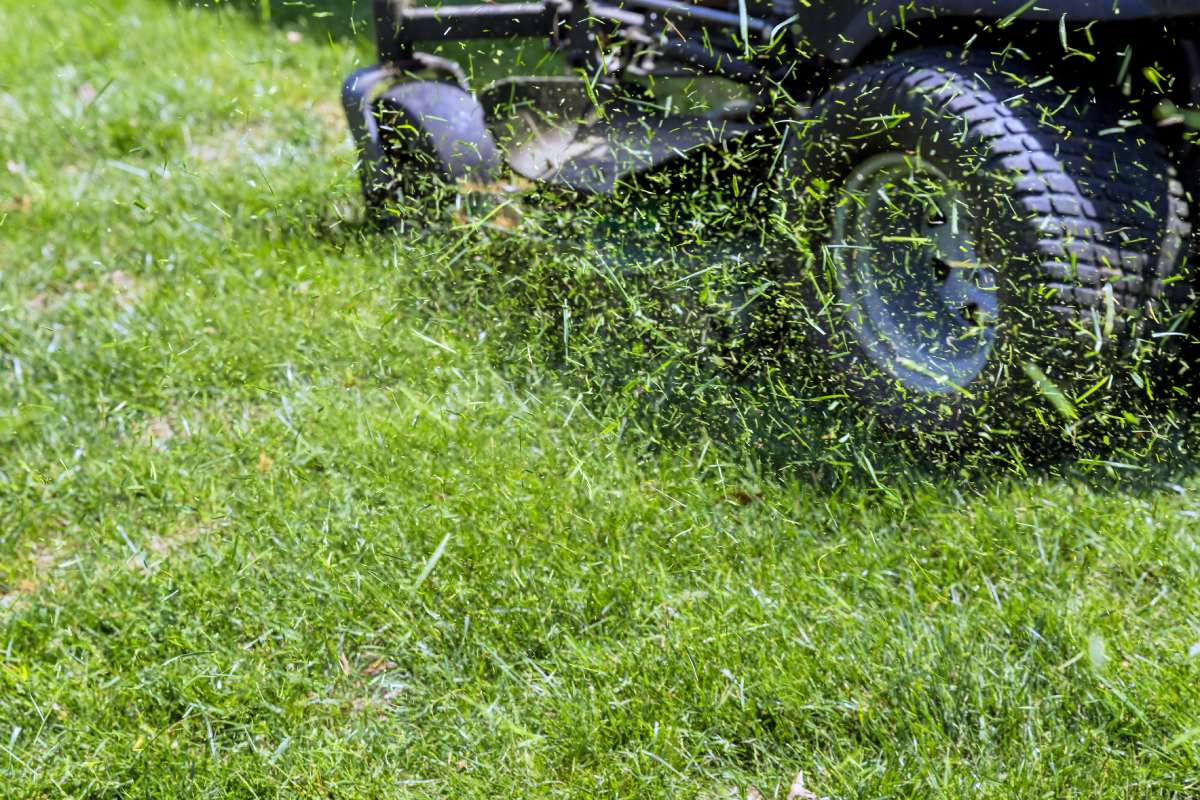
A lush, green lawn doesn’t happen by accident. While watering, fertilising, and choosing the right turf variety all play important roles, one of the most overlooked aspects of lawn care is proper mowing.
Many homeowners assume mowing is simply about keeping grass short and tidy. In reality, the way you mow can have a significant impact on the health, appearance, and longevity of your lawn. Mowing too low, using blunt blades, or mowing at the wrong time can stress your grass and make it more vulnerable to weeds, pests, disease, and drought.
The good news is that a few simple mowing habits can dramatically improve the health of your lawn. Whether you’ve recently installed new turf or you’re looking to improve an established lawn, these lawn mowing tips will help you maintain a greener, thicker, and healthier outdoor space.
Grass is a living plant, and every time you mow, you’re effectively pruning it. When done correctly, mowing encourages healthy growth and helps create a dense lawn that naturally resists weeds.
Regular mowing can:
However, poor mowing practices can have the opposite effect, causing unnecessary stress and weakening the lawn over time. Regular mowing at the correct height encourages denser growth and healthier turf.
One of the most important lawn mowing rules is the “one-third rule.”
This simple guideline states that you should never remove more than one-third of the grass blade length in a single mowing session.
For example:
Removing too much leaf material at once can shock the grass and force it to divert energy into blade regrowth rather than root development. This can weaken the lawn and leave it vulnerable to stress. The one-third rule is widely recommended by lawn care experts because it helps maintain healthy growth and reduces lawn stress.
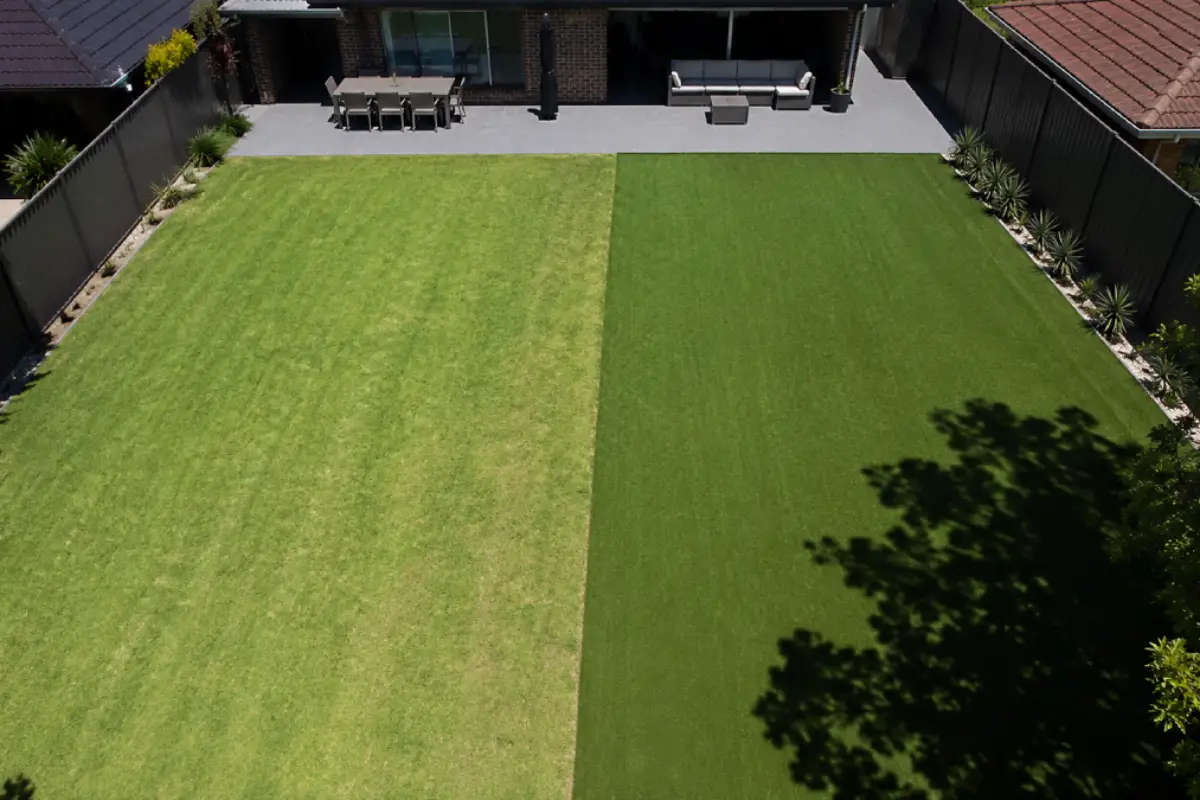
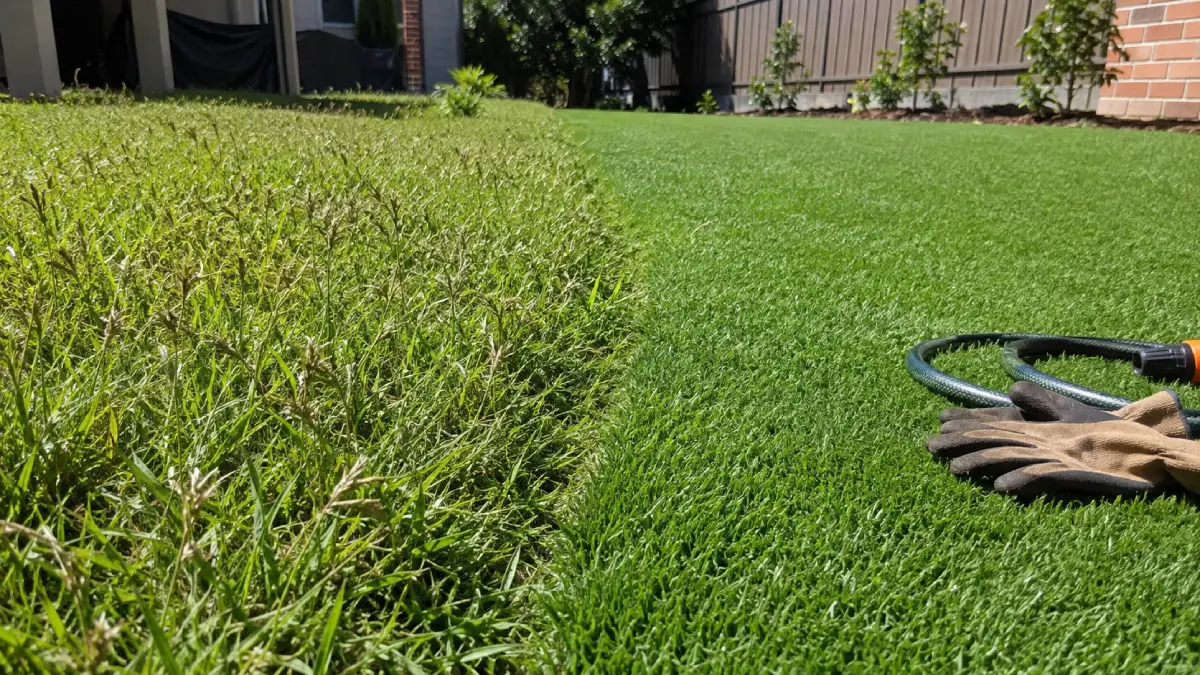
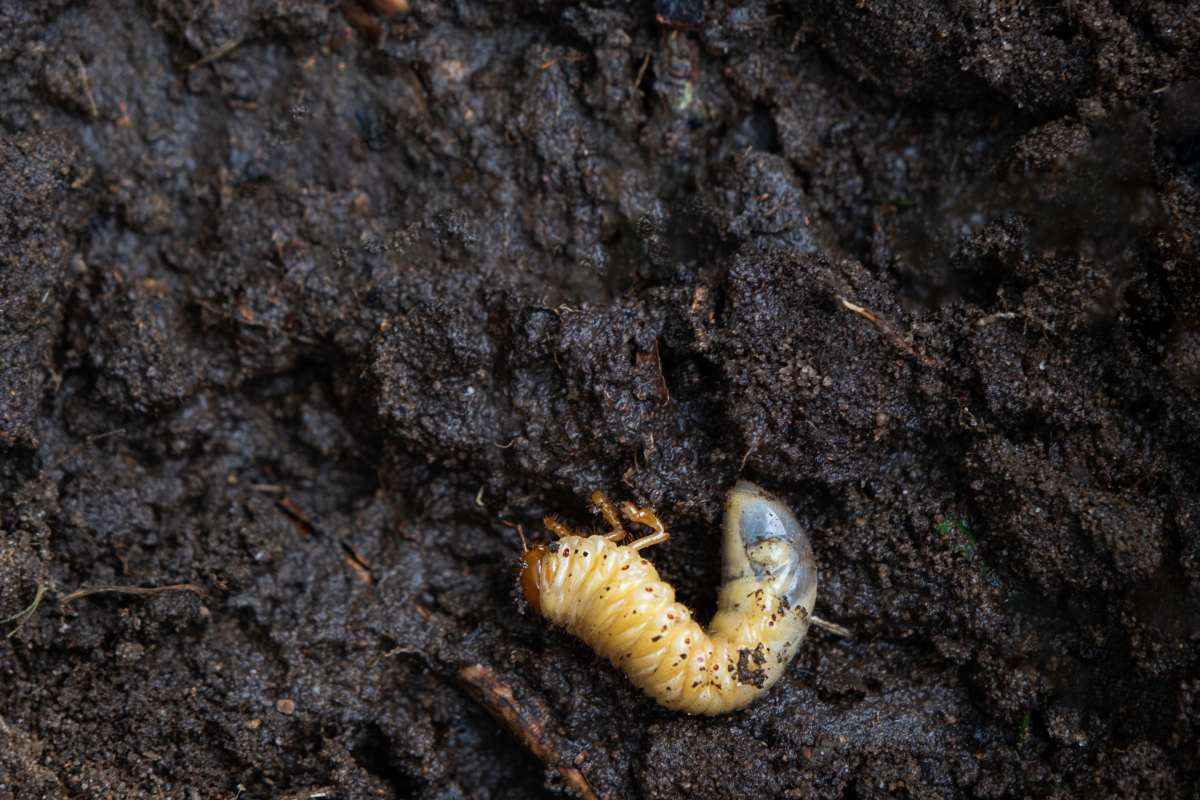
Many homeowners believe shorter grass means less mowing. Unfortunately, cutting your lawn too short often creates more problems than it solves.
When grass is mowed too low:
Maintaining the proper mowing height helps shade the soil, retain moisture, and encourage stronger root systems. Taller grass also naturally suppresses weed growth.
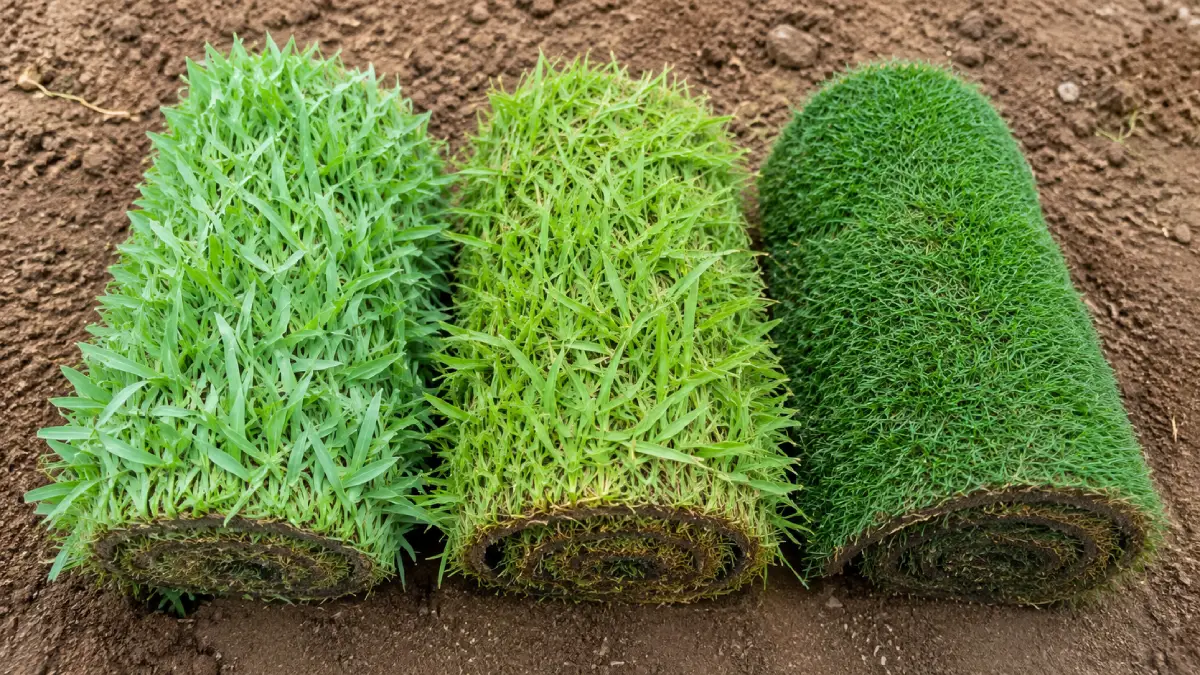
Recommended Heights for Common Australian Turf Varieties
While exact heights vary, general recommendations include:
It’s always best to adjust mowing height based on your specific turf variety and seasonal conditions.
Australian summers can be harsh on lawns.
During periods of extreme heat, many lawn experts recommend raising your mower height slightly.
Longer grass blades help:
A lawn that’s slightly taller during summer often stays greener and healthier than one that is cut very short. Allowing grass to remain slightly longer during hot weather helps conserve moisture and protect the lawn.
Your mower’s blades play a critical role in lawn health.
Sharp blades create a clean cut that heals quickly. Dull blades, on the other hand, tear the grass rather than cutting it cleanly.
Torn grass blades can:
If your lawn looks ragged or develops a white or brown appearance after mowing, dull blades may be the cause.
Most experts recommend sharpening mower blades at least once a year, or more frequently if you mow often. Sharp mower blades are essential for a clean cut and healthier turf.
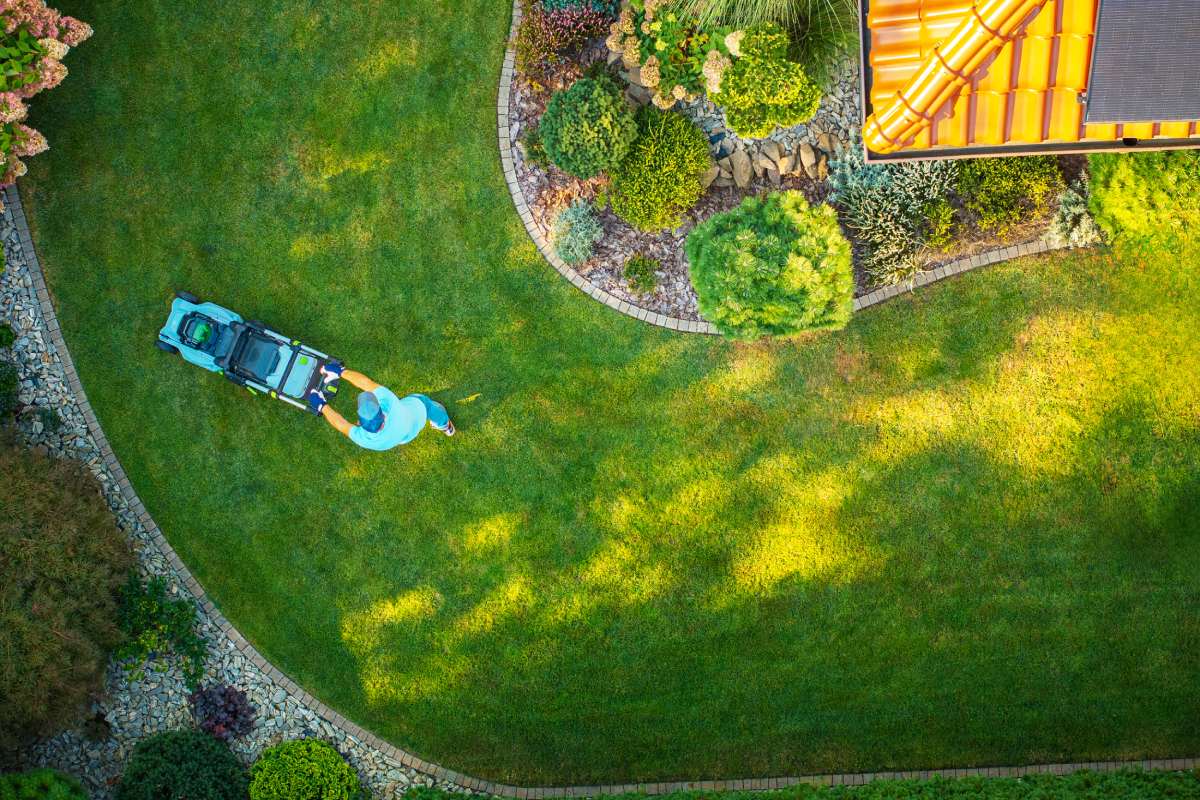
Consistency is one of the secrets to a healthy lawn.
Rather than waiting until the grass becomes overgrown, establish a regular mowing schedule based on growth rates.
During active growing seasons:
Regular mowing encourages lateral growth, helping create a thicker, denser lawn. Allowing grass to become excessively long often leads to more stress when it is eventually cut back.
It can be tempting to mow immediately after rain, especially during periods of rapid growth, but mowing wet grass is rarely a good idea.
Wet conditions can cause:
Wet grass also tends to tear rather than cut cleanly.
If possible, wait until the lawn has dried before mowing. Mowing dry grass typically produces a cleaner, healthier result.
Many homeowners mow in exactly the same direction every time.
While this may seem harmless, repeatedly mowing in one direction can cause grass to lean and develop ruts in the soil.
Changing mowing patterns can:
Try alternating between horizontal, vertical, and diagonal mowing patterns throughout the growing season.
Get one of our team members to contact you and discuss your options!
In many cases, grass clippings can be left on the lawn rather than collected.
This practice, often called “grasscycling,” offers several benefits:
However, this only works effectively when following the one-third rule. Excessively long clippings can form clumps and smother the lawn.
If heavy clumps occur, remove them to avoid damaging the turf.
While edging doesn’t directly improve grass health, it dramatically improves appearance and helps maintain clean boundaries.
Regular edging:
Neatly edged lawns often appear healthier and better maintained, even when compared to lawns with similar turf quality.
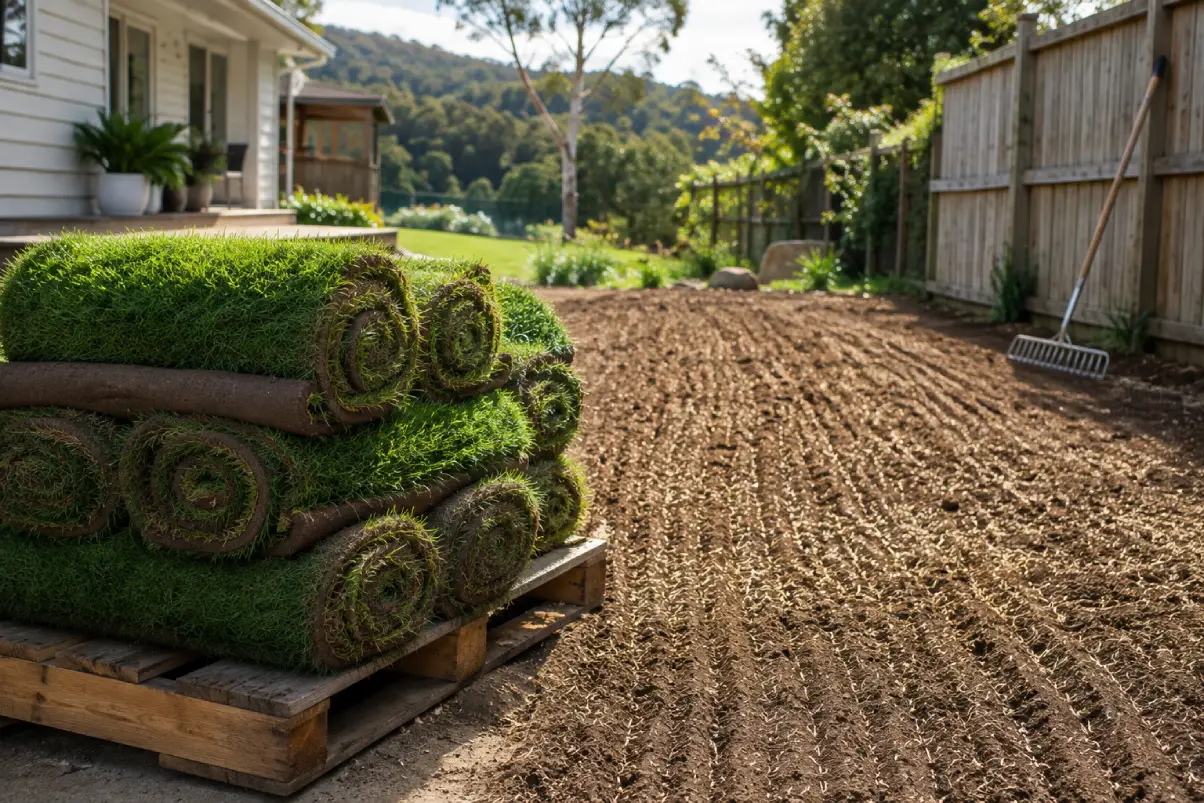
If you’ve recently installed new turf, patience is important.
Newly laid turf needs time to establish roots before it can tolerate mowing.
As a general guideline:
Mowing too early can damage developing roots and slow establishment. Newly laid lawns should be allowed to establish before regular mowing begins.
A well-maintained mower produces better results and reduces lawn stress.
Regular maintenance should include:
A clean mower deck also helps prevent clumping and improves mowing efficiency.
Scalping weakens the grass and exposes soil to weeds and heat.
Allowing the lawn to become too long often results in excessive removal during mowing.
Torn grass blades are more susceptible to disease and moisture loss.
Wet grass creates uneven cuts and increases disease risk.
Adjust mowing height and frequency according to weather conditions and growth rates.
Mowing is far more than a cosmetic task. When performed correctly, it plays a vital role in creating a healthier, stronger, and more attractive lawn.
By following simple practices such as mowing at the correct height, following the one-third rule, keeping mower blades sharp, and mowing regularly, you can significantly improve the health and appearance of your turf.
Whether you’ve recently installed a new lawn or want to get more from your existing turf, proper mowing habits will help your grass thrive year-round.
If you’re looking for premium-quality turf and expert lawn care advice, contact A View Turf. Their experienced team can help you choose the right turf variety and provide guidance on maintaining a healthy, beautiful lawn.
Most Australian lawns should be mowed every 7–14 days during active growth periods. Growth rates will vary depending on the season, weather, and turf variety.
The one-third rule means you should never remove more than one-third of the grass blade length in a single mowing session to avoid stressing the lawn.
Generally, slightly taller grass is healthier. Longer grass shades the soil, retains moisture, and promotes deeper root growth.
Yes, in most cases. Grass clippings can return valuable nutrients to the soil and improve lawn health, provided they do not form heavy clumps.
It’s best to wait until the lawn is dry. Wet grass can lead to uneven cuts, clumping, and increased disease risk.
If the grass appears torn, ragged, or develops brown tips after mowing, your mower blades may be dull and need sharpening.
From the moment your turf is cut at our Sydney farm to the day it passes the tug test in your backyard, we are here to help you get the best result. We supply premium Matilda Buffalo, Soft-Leaf Buffalo, Kikuyu, and Couch turf with next-day delivery across NSW — and we back every order with straightforward, practical advice based on years of experience in the Sydney turf industry.
Have a question about mowing, watering, establishment, or choosing the right variety for your yard? Get in touch with our team today.
Call us: 1800 799 222
Email: sale@avt.com.au
Visit: Ebenezer Wharf Road, Wilberforce NSW 2756
A View Turf