Home » What Are Common Buffalo Grass Problems? How to Fix Them
Get one of our team members to give you a call to discuss your project!
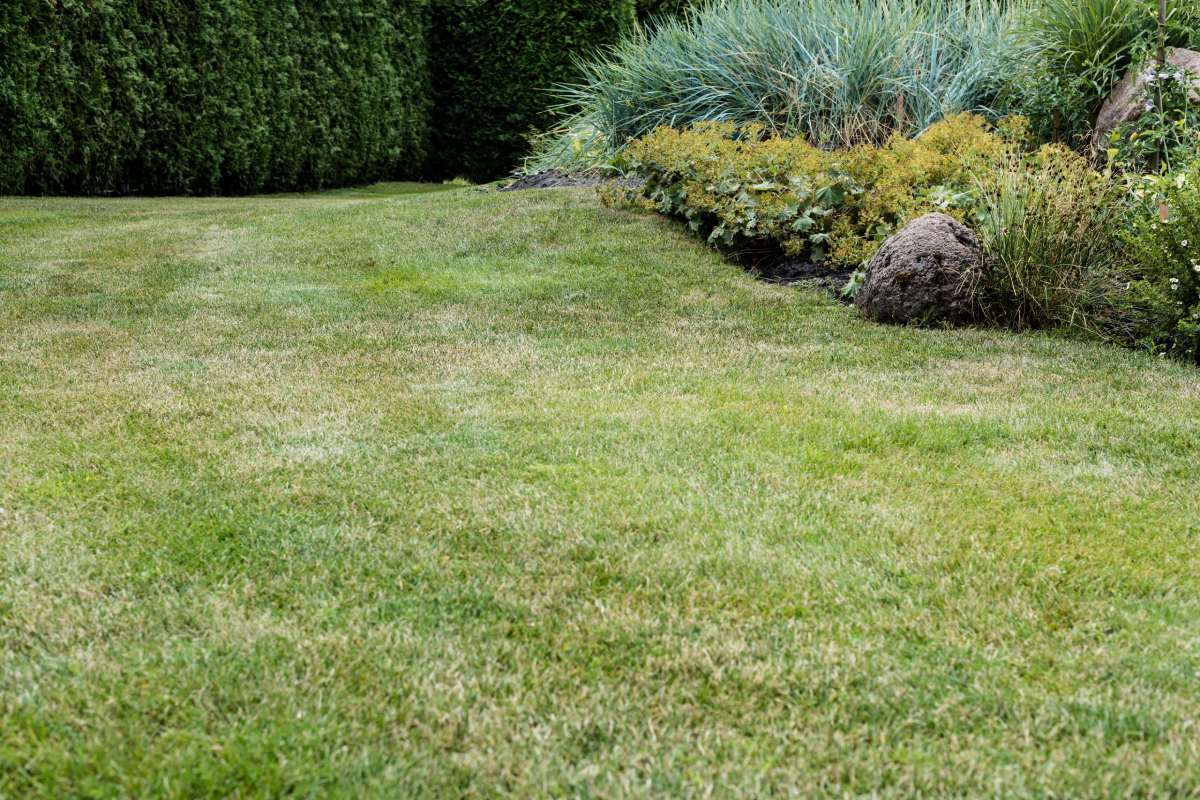
Buffalo grass is one of the most popular lawn choices across Australia—and it’s easy to see why. With its soft leaf, shade tolerance, and relatively low maintenance needs, it’s a go-to option for families, pet owners, and homeowners wanting a lush, green lawn without constant upkeep.
But while buffalo grass is known for being hardy, it’s not completely trouble-free.
Like any lawn type, it can run into issues—especially if it’s not properly maintained or if conditions aren’t ideal. The good news? Most buffalo grass problems are easy to identify and fix once you know what to look for.
In this guide, we’ll walk through the most common buffalo grass problems in Australia—and exactly how to fix them.
Before diving into the problems, it’s worth understanding why buffalo grass is so widely used.
Buffalo grass is loved for its:
However, these strengths don’t make it immune to issues—especially under stress.
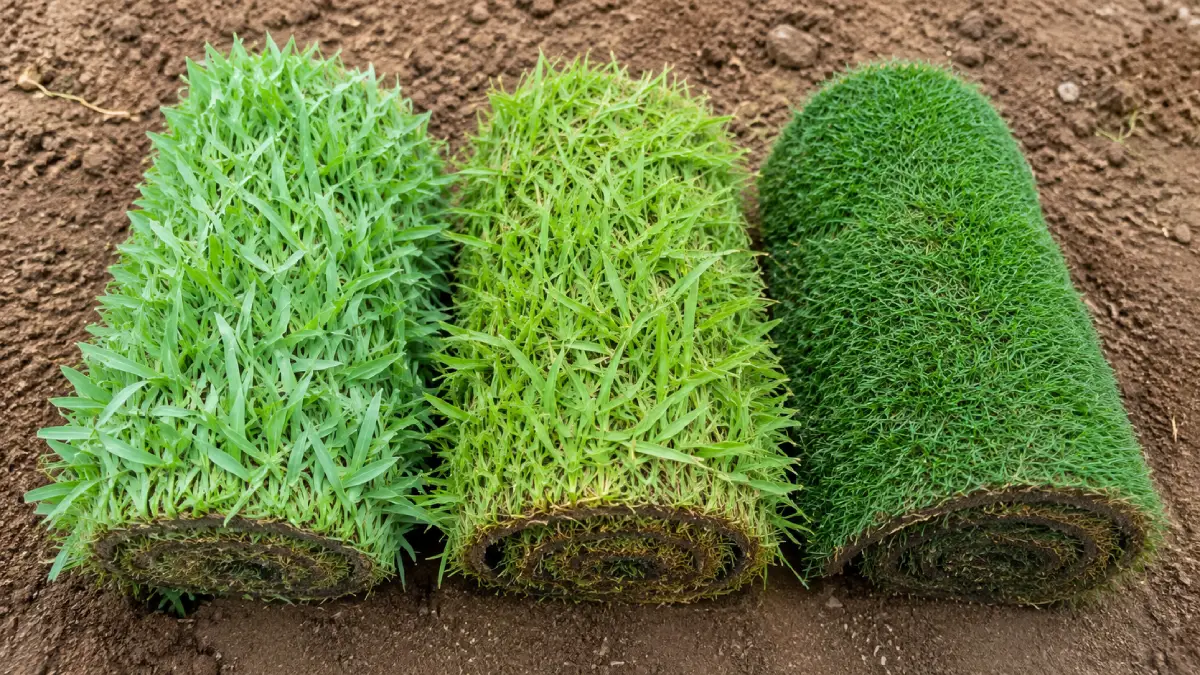
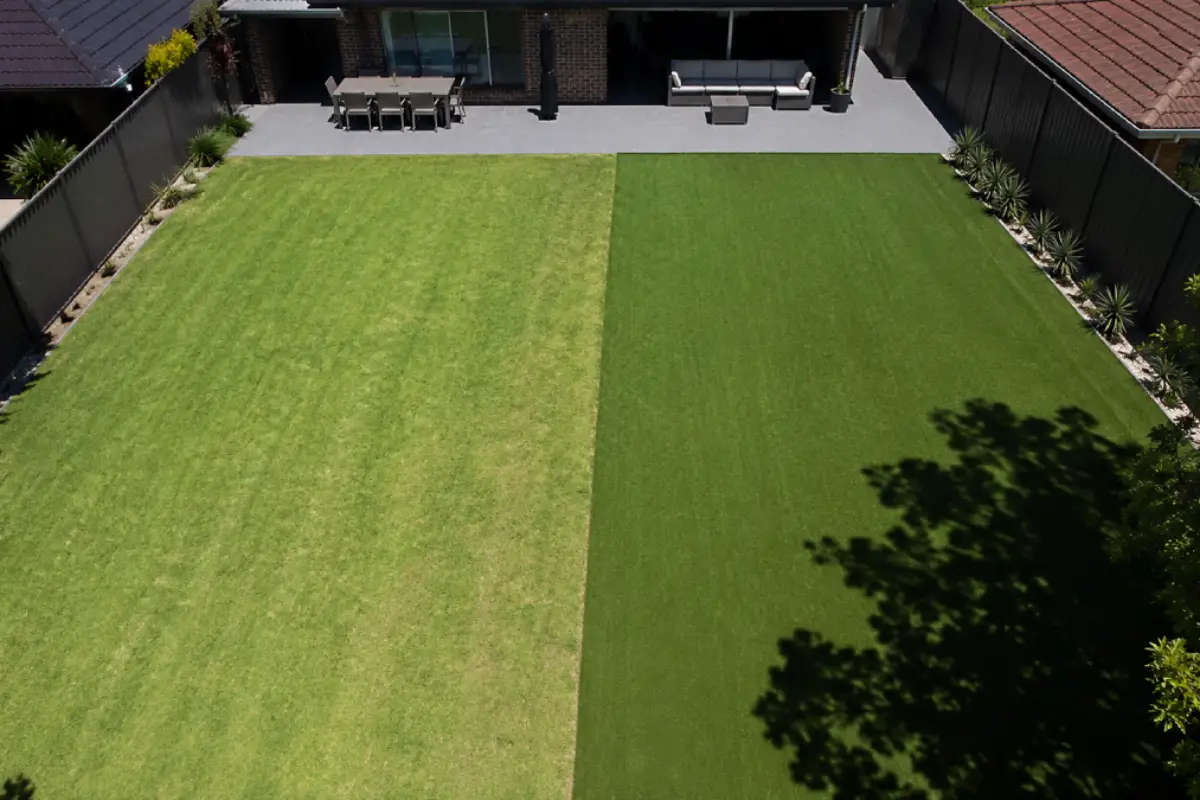
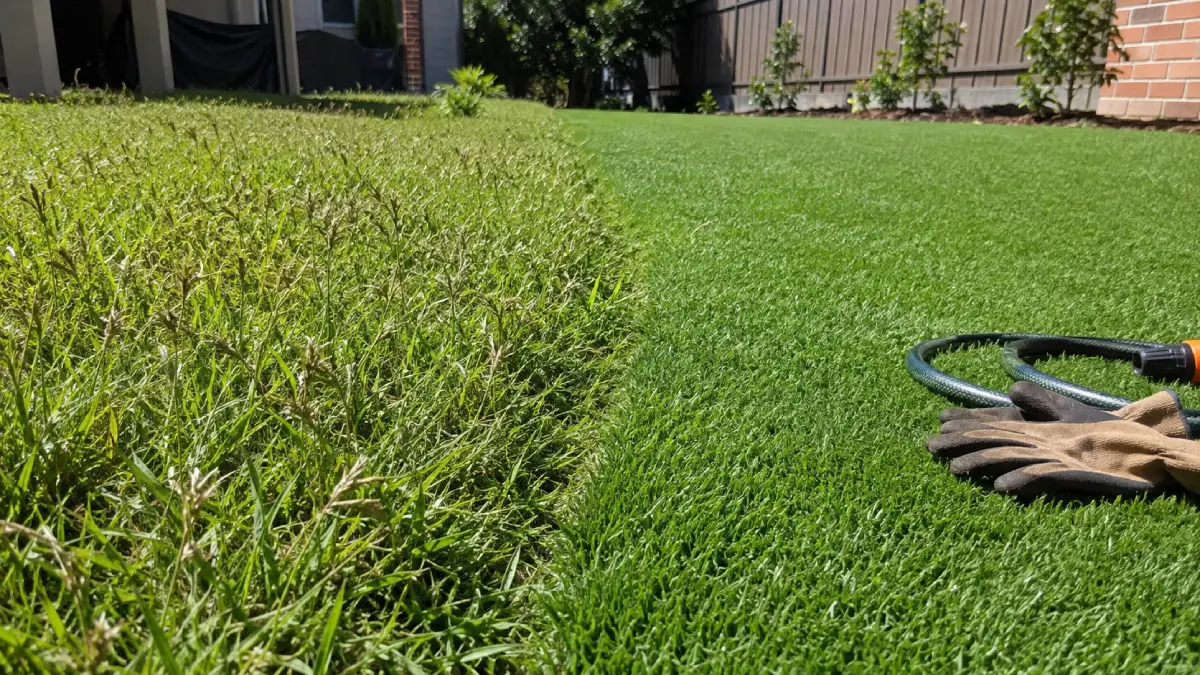
One of the most common complaints with buffalo grass is patchy or thin areas across the lawn. This can make your yard look unhealthy and uneven.
👉 Tip: Buffalo grass spreads via runners, so once conditions improve, it will naturally fill in bare patches over time.
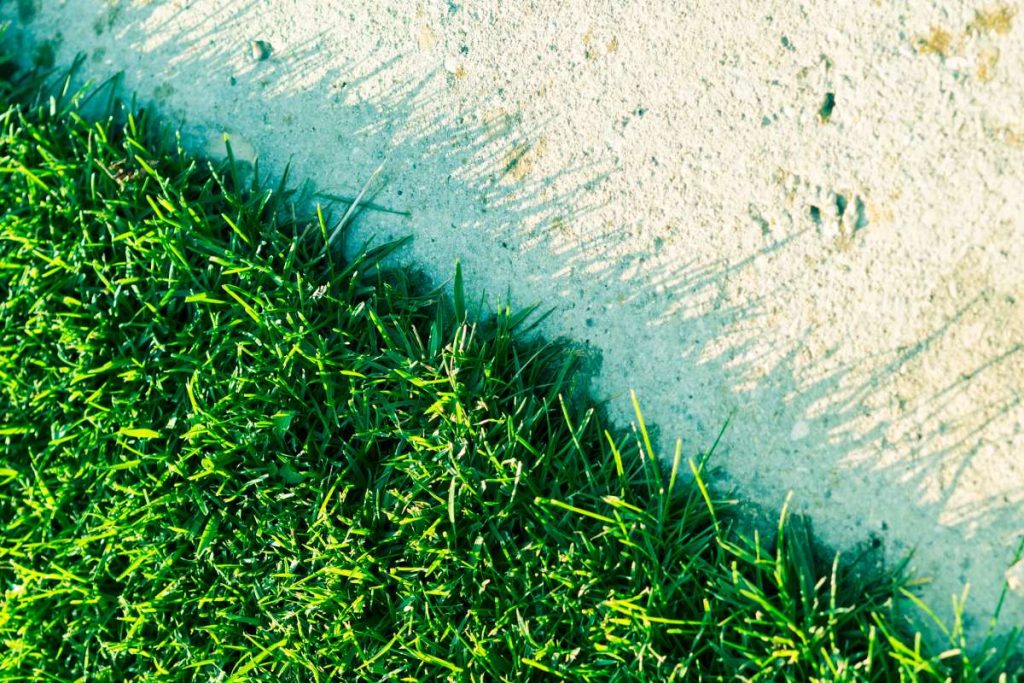
If your buffalo lawn is turning yellow instead of staying lush green, it’s usually a sign something is off.
👉 Tip: A slow-release fertiliser can help maintain consistent colour without overfeeding.
While buffalo grass is naturally dense, weeds can still creep in—especially if the lawn is stressed or thin.
👉 Tip: Always check herbicide labels—some products can damage buffalo grass.
Thatch is a layer of dead grass and organic material that builds up between the soil and the grass blades. Too much thatch can block water and nutrients.
👉 Tip: Buffalo grass generally produces less thatch than couch, but it can still become an issue over time.
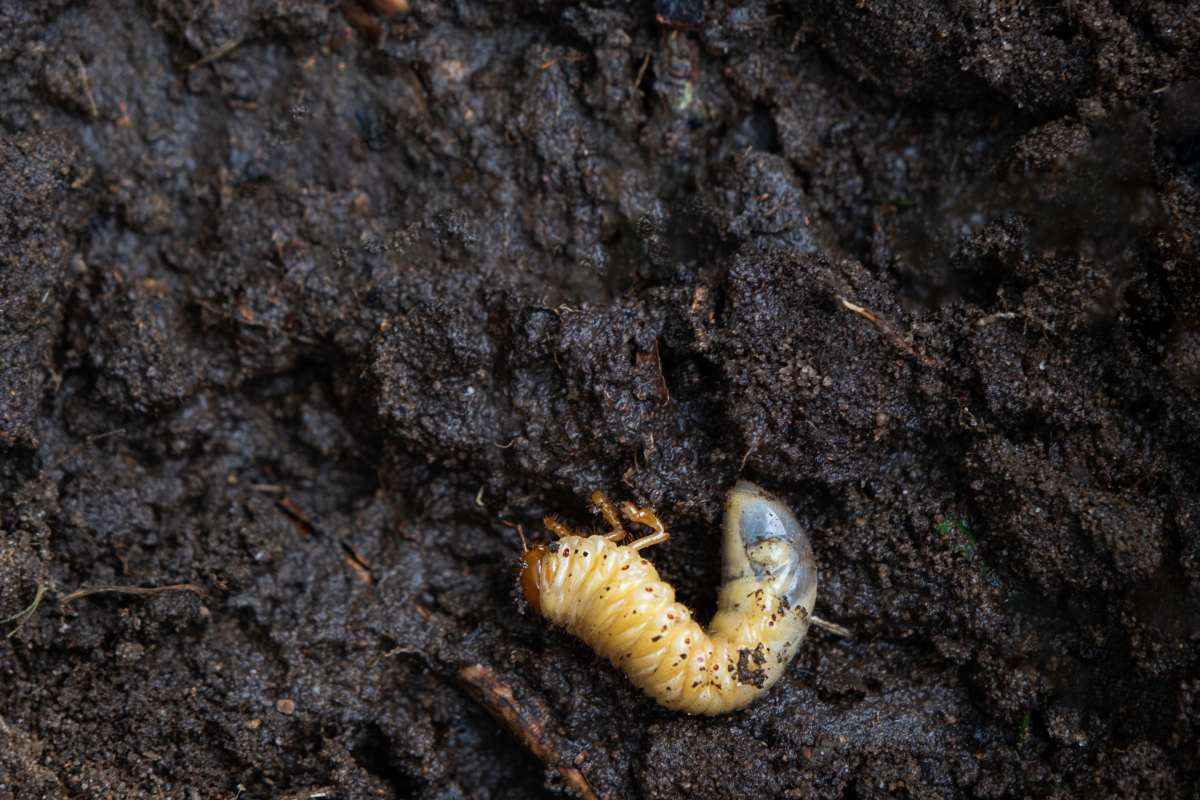
Buffalo grass can sometimes fall victim to pests that damage roots and leaves.
👉 Tip: Regular lawn inspections can help catch infestations early.
Fungal issues can affect buffalo grass, especially in humid or wet conditions.
👉 Tip: Prevention is key—healthy lawns are far less likely to develop fungal problems.
Watering issues are one of the biggest causes of lawn problems in Australia.
👉 Tip: Installing an irrigation system can help maintain consistency.
Buffalo grass doesn’t like being cut too short. Scalping can stress the lawn and expose soil.
👉 Tip: A slightly longer lawn is healthier and helps retain moisture.
Heavy foot traffic or clay soils can lead to compaction, making it hard for roots to grow.
👉 Tip: Compacted soil is a hidden issue that can affect overall lawn health.
Get one of our team members to contact you and discuss your options!
Prevention is always easier than fixing problems later. Here’s how to keep your buffalo lawn in top shape:
A little ongoing care goes a long way in avoiding bigger issues down the track.
Buffalo grass is one of the best all-round lawn options for Australian homes—but like any grass, it needs the right care to stay healthy.
The good news is that most common buffalo grass problems—whether it’s patchiness, weeds, pests, or yellowing—are easy to fix with the right approach.
By understanding what causes these issues and acting early, you can keep your lawn looking lush, green, and resilient all year round.
Yellowing is usually caused by nutrient deficiency, poor watering habits, or soil issues. Applying a nitrogen-rich fertiliser and improving watering can help restore colour.
Improve soil quality, aerate the lawn, and ensure adequate sunlight and watering. Buffalo grass will naturally spread and fill in gaps over time.
No, you should only use herbicides specifically labelled as safe for buffalo grass, as some products can damage it.
Water deeply once or twice a week in summer, and reduce watering in cooler months depending on rainfall.
Common pests include lawn grubs and armyworms. These can be treated with appropriate insecticides if detected early.
If your current lawn is struggling—or you’re thinking about upgrading to high-quality buffalo turf—getting expert advice makes all the difference.
Contact Aview Turf today for professional guidance, premium turf supply, and installation services tailored to Australian conditions. Their team can help you choose the right buffalo variety and set you up for long-term lawn success.
A View Turf