Home » Soft-Leaf Buffalo Grass: What are the Pros and Cons?
Get one of our team members to give you a call to discuss your project!
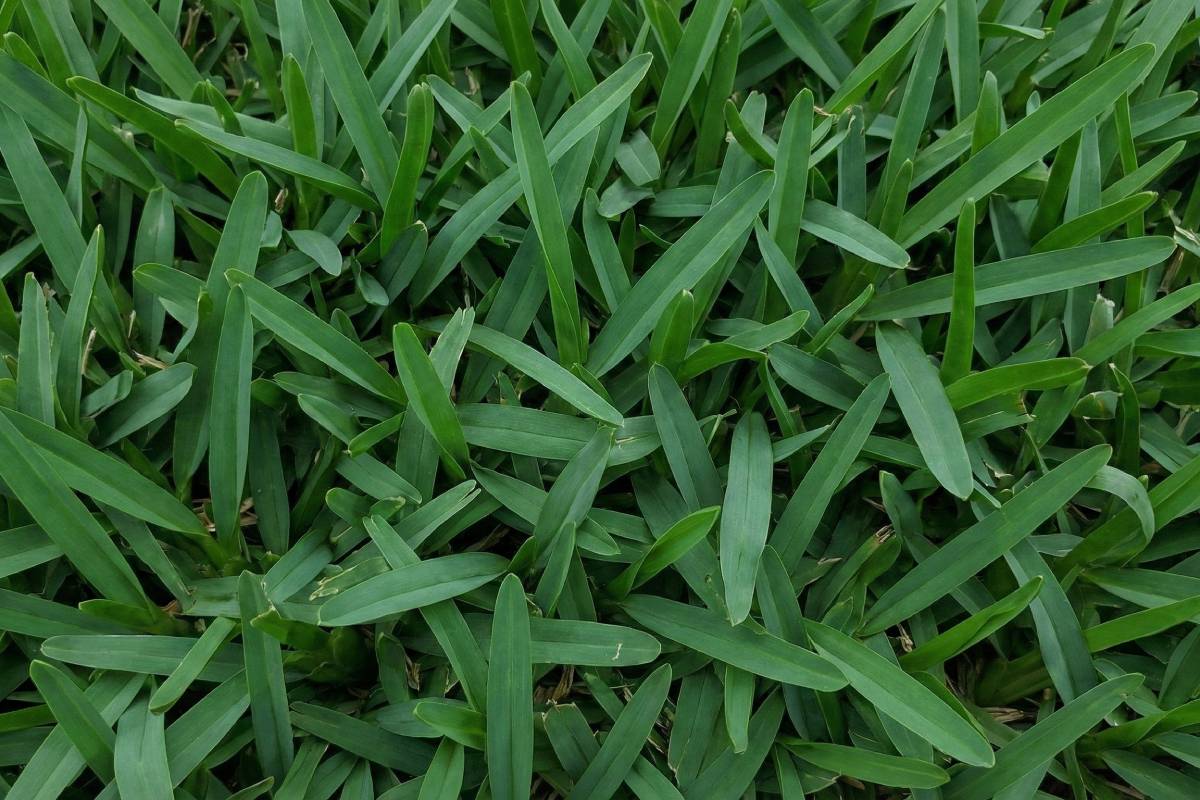
You want a lawn that looks like a golf course but acts like a playground. You need something that can handle the shade of your fence line without turning into a mud pit.
But the old stories about Buffalo grass, scratchy, irritating, and ugly, have made you hesitate. Installing new turf is an expensive investment, and choosing the wrong variety can lead to thousands of dollars in wasted landscaping and years of patchy, brown regret.
Modern Soft-Leaf Buffalo grass (Stenotaphrum secundatum). It has been genetically cultivated to remove the microscopic barbs that caused the “itch,” leaving a lush, shade-tolerant carpet. But is it perfect? Not quite.
Below, we break down the brutal truth about Soft-Leaf Buffalo so you can decide if it’s the right foundation for your backyard oasis.
If you are in a rush, here is the “cheat sheet” designed to answer your questions instantly.
Feature
Soft-Leaf Buffalo Rating
The Verdict
Shade Tolerance
⭐⭐⭐⭐⭐ (Excellent)
Best in class for shaded gardens.
Wear Resistance
⭐⭐⭐⭐ (Very Good)
Handles kids and pets well.
Drought Tolerance
⭐⭐⭐⭐ (High)
Deep roots recover quickly after dry spells.
Maintenance
⭐⭐⭐ (Moderate)
Prone to thatch; needs specific weed killers.
Cost
⭐⭐ (Premium)
More expensive than Couch or Kikuyu.
This is the number one reason people buy Soft-Leaf Buffalo. Most grasses, like Couch (Bermuda) or Kikuyu, require 80-100% direct sunlight. If they get shade, they thin out and die.
Soft-Leaf Buffalo can thrive in 60-70% shade. If you have large trees, double-story neighbouring houses, or covered pergolas, this grass is often your only viable option for a green lawn.
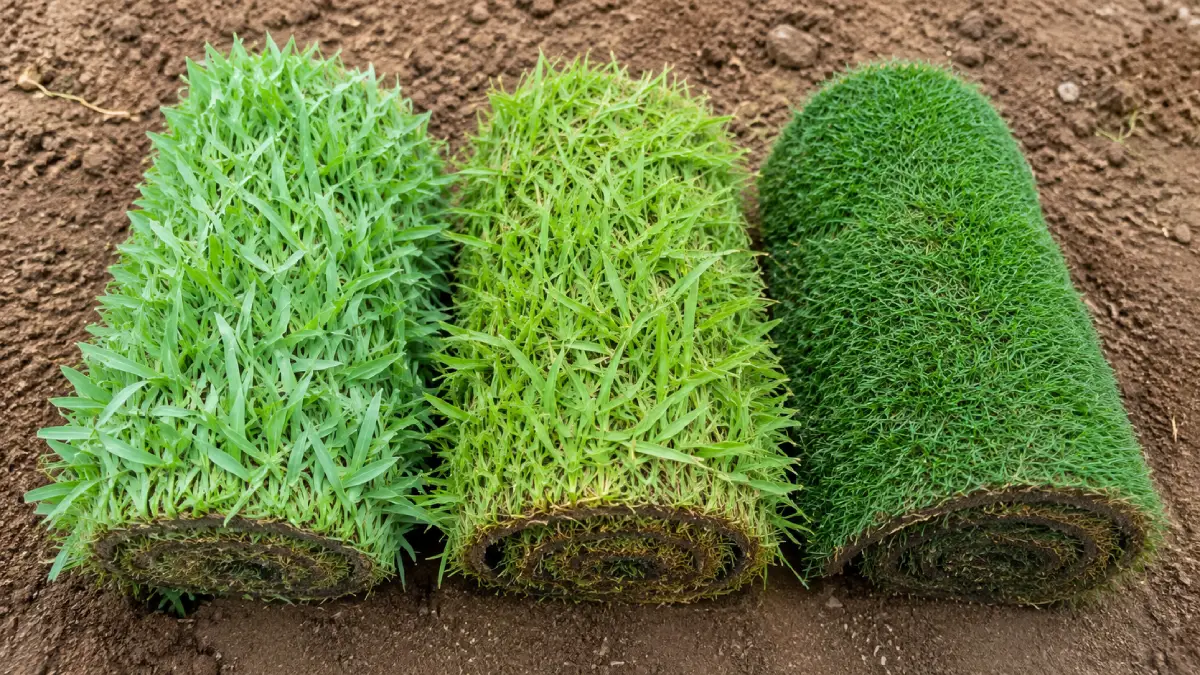
Old Buffalo grass was notorious for causing skin irritation. Modern varieties (like Sir Walter, Sapphire, or Palmetto) have soft, non-abrasive leaves.
It feels lush and cool underfoot, making it the safest choice for:
If you are trying to decide between specific soft-leaf brands, read our detailed comparison of Matilda vs. Sir Walter Buffalo to see which texture suits your family best.
Because Buffalo grows with broad leaves and a dense mat structure, it naturally crowds out weeds.
Once established, a healthy Buffalo lawn acts as a living mulch. It blocks sunlight from reaching weed seeds in the soil, significantly reducing the amount of manual weeding you need to do compared to finer-leafed varieties.
Living near the coast? Buffalo has excellent salt tolerance.
Living in a dry climate? While it needs water to stay green, it has a robust root system that survives drought well. Even if it browns off during a heatwave, it tends to “wake up” and recover faster than other species once the rain returns.
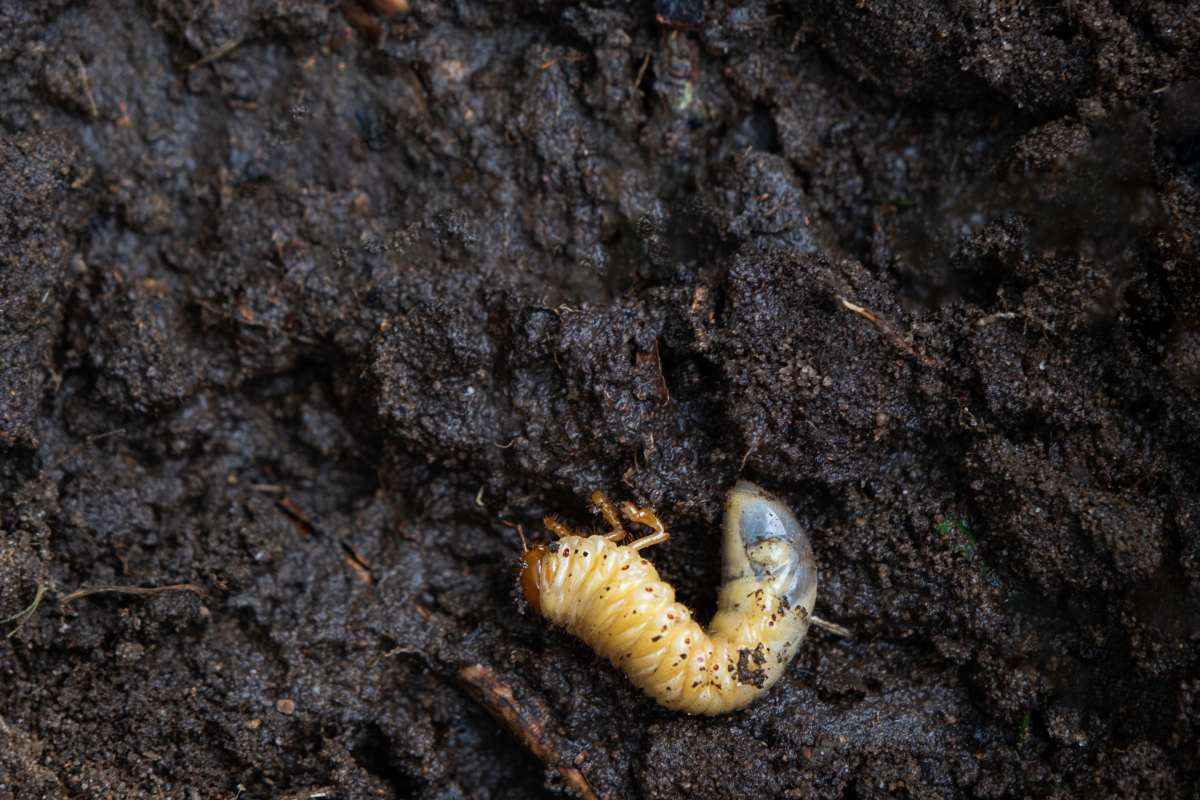
This is the biggest downside. Buffalo grass grows via stolons (runners) on top of the ground. Over time, these runners layer over each other, creating a spongy layer called “thatch.”
If the thatch gets too thick:
The Fix: You must mow regularly and may need to “dethatch” or scarify the lawn every 2-3 years.
You cannot just grab any “Weed & Feed” off the shelf.
Buffalo is a broadleaf grass. Most common weed killers are designed to kill broadleaf weeds (like bindii or clover). If you use a Dicamba-based spray on Buffalo, you will kill your lawn along with the weeds.
You must buy herbicides specifically labelled “Buffalo Safe” (usually containing Bromoxynil or MCPA).
While Buffalo is durable, it only grows via above-ground runners (stolons), unlike Kikuyu, which has underground runners (rhizomes) too.
If a dog digs a massive hole in your Buffalo lawn, it will take longer to repair itself than Kikuyu, which fills gaps aggressively from underneath.
Quality comes at a price. Soft-Leaf Buffalo is generally 30-50% more expensive per square meter than Couch or Kikuyu. However, the lower maintenance (less mowing and edging) can offset this over time.
Get one of our team members to contact you and discuss your options!
To keep that deep green colour, you need to master the basics of mowing, watering, and fertilising. Follow these three golden rules:
Struggling with colour loss in winter? Check out our 5 expert tips on how to make Buffalo grass green year-round.
A: Yes, it spreads via runners, but it is much easier to control than Kikuyu. The runners sit on top of the soil, so you can easily pull them out or use an edger to trim them back. It is not considered “invasive.”
A: In summer, expect to mow every 7–10 days. In winter, growth slows significantly, and you may only need to mow every 3–4 weeks. Always remember the “one-third rule”: never remove more than one-third of the leaf blade at a time.
A: No. Most generic Weed and Feed products contain Dicamba, which kills Buffalo grass. Always look for packaging that explicitly says “Suitable for Buffalo Lawns.”
Soft-Leaf Buffalo is the “SUV” of the lawn world: it’s comfortable, reliable, and handles tricky conditions (like shade) better than the sports cars (Couch) or the tractors (Kikuyu).
It requires a different maintenance approach, specifically regarding mowing height and weed control, but the payoff is a year-round green carpet that actually grows where others fail.
The final question for your backyard: Are you willing to pay a little more upfront and buy specific herbicides to gain a lawn that survives the shade and feels like velvet?
A View Turf