
Home » Identify Kikuyu Grass Guide
Get one of our team members to give you a call to discuss your project!

Across Australia’s diverse landscapes, accurately identifying turfgrass species plays a vital role in lawn care, landscaping, and property maintenance. From suburban backyards and rural properties to parks and sporting grounds, the type of grass you’re dealing with directly impacts how you mow, water, fertilise, and manage your lawn.
One grass species that frequently appears in Australian environments is Kikuyu grass (Pennisetum clandestinum). Known for its toughness, fast growth, and ability to thrive where other grasses struggle, Kikuyu has become a common choice—and sometimes an unexpected invader—across much of the country.
Understanding how to identify Kikuyu grass amongst the many turf options used in Australia is essential for effective lawn management. In this comprehensive guide, we explore the distinctive features, growth patterns, and environmental traits that make Kikuyu grass stand out, helping homeowners, landscapers, and turf enthusiasts confidently recognise and manage this versatile grass species.
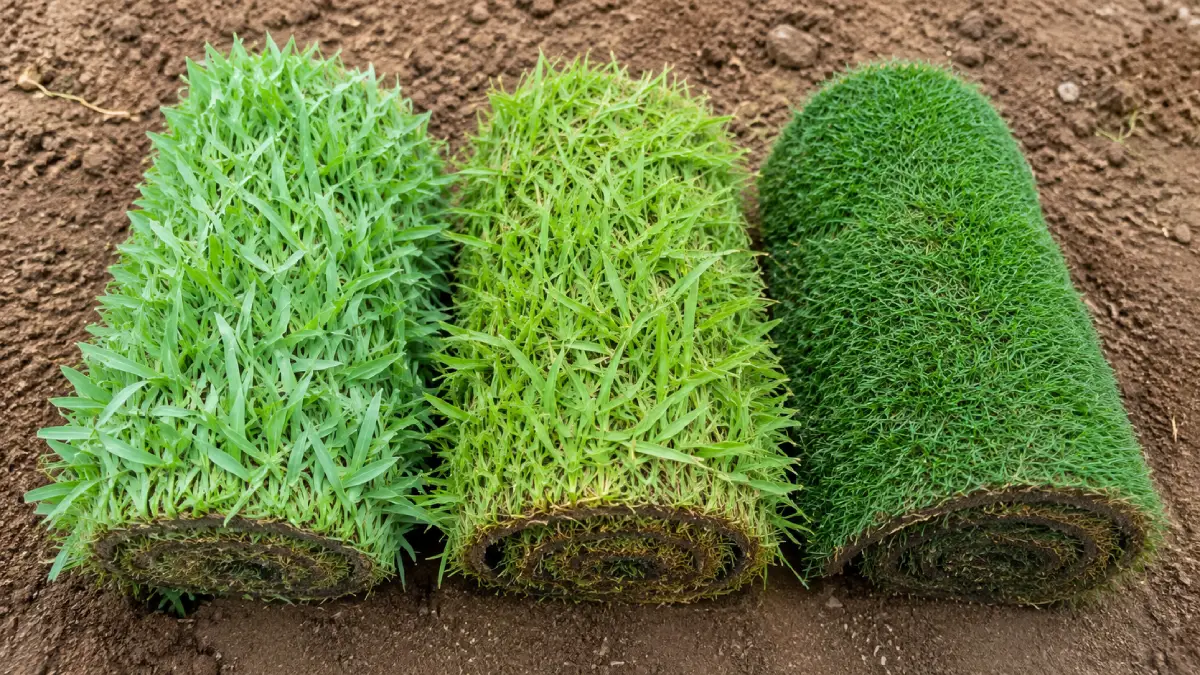

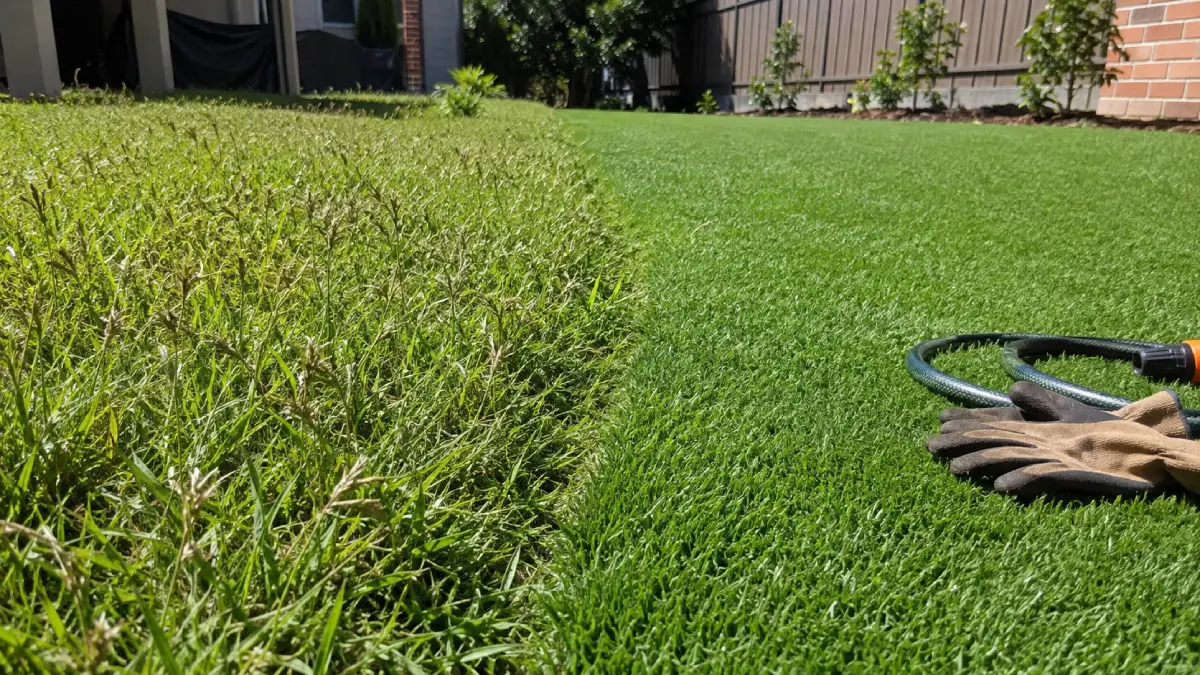
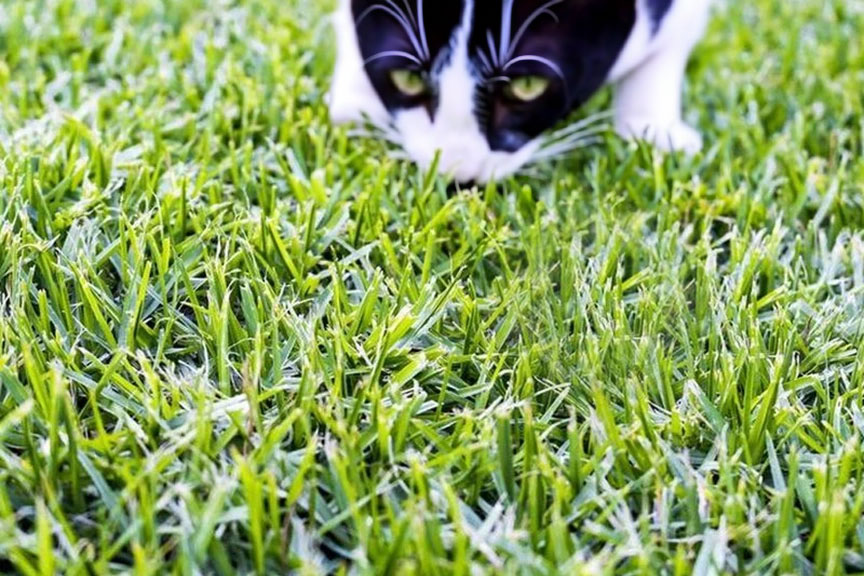
Kikuyu grass has a distinct and easily recognisable appearance once you know what to look for. One of its most noticeable features is its vibrant, bright green colour, which often appears lighter than buffalo grass but richer than couch grass. This colour tends to intensify during the warmer months when Kikuyu is actively growing.
The leaf blades are broad, flat, and coarse in texture, typically measuring 4–10 mm wide. When compared to finer grasses like couch or zoysia, Kikuyu feels noticeably thicker and tougher underfoot. The leaf tips are pointed rather than rounded, and the surface of the leaf can have a slight sheen when exposed to sunlight.
When well maintained, Kikuyu grass forms a dense, carpet-like lawn with upright growth, creating a lush and full appearance. However, if left unmown, it can quickly become untidy and overgrown due to its aggressive growth habit.
Another key identifying feature is the presence of thick, fleshy runners (stolons) that spread across the soil surface. These runners are usually pale green to whitish in colour and root at the nodes, allowing Kikuyu to spread rapidly.
During its flowering season, Kikuyu produces short, cylindrical seed heads that are often partially hidden within the leaf sheath—hence the species name clandestinum, meaning “hidden.” While not always obvious, these seed heads can further assist with identification when present.
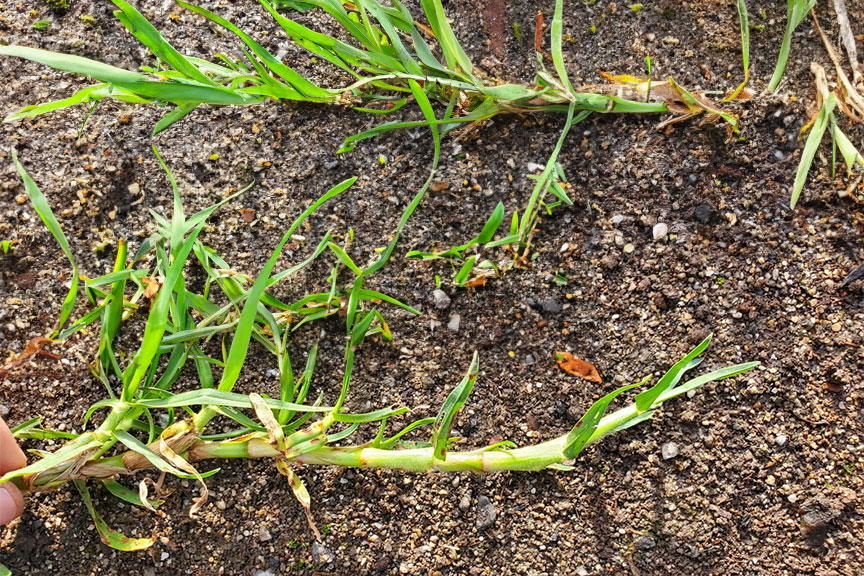
One of the most defining characteristics of Kikuyu grass is its extremely vigorous growth habit. It is a warm-season grass that thrives during spring and summer, often growing much faster than other common lawn varieties in Australia.
Kikuyu spreads aggressively through:
This dual spreading method allows it to establish quickly, fill bare patches, and outcompete surrounding grasses and weeds. In ideal conditions, Kikuyu can spread several centimetres per week, making it highly effective for erosion control and rapid lawn coverage.
Kikuyu performs best in full sun, where it achieves maximum density and colour. While it can tolerate partial shade, its growth may thin out and become less vigorous in heavily shaded areas.
Because of its strong root system and rapid regrowth, Kikuyu grass is exceptionally hard-wearing. It recovers quickly from:
This resilience is why Kikuyu is commonly used on sports fields, council reserves, and high-traffic residential lawns across Australia.
Although Kikuyu grass is often described as low maintenance, it still requires consistent care to prevent it from becoming invasive or unruly.
Regular mowing is essential due to Kikuyu’s fast growth rate. Without frequent cutting, it can quickly become long, spongy, and difficult to manage.
Avoid scalping, as this can stress the lawn and expose soil
Once established, Kikuyu grass is highly drought-tolerant, making it suitable for many Australian climates.
During extended dry periods, occasional watering will help maintain colour and health
Kikuyu responds well to fertiliser, particularly during the growing season. However, too much nitrogen can result in excessive leaf growth and increased mowing requirements.
Reduce feeding in cooler months when growth slows
Due to its vigorous growth, Kikuyu can develop thatch if not managed correctly. Occasional dethatching or scarifying may be required to maintain lawn health and improve water and nutrient penetration.
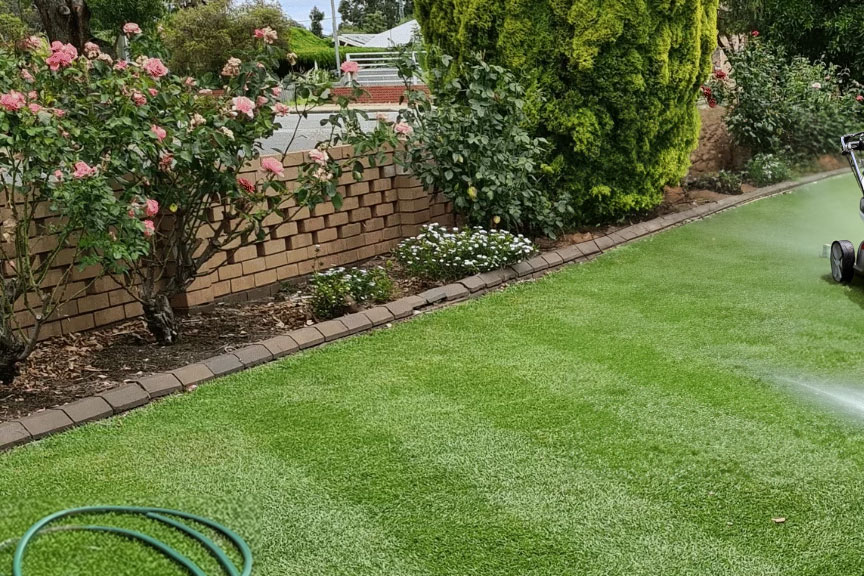
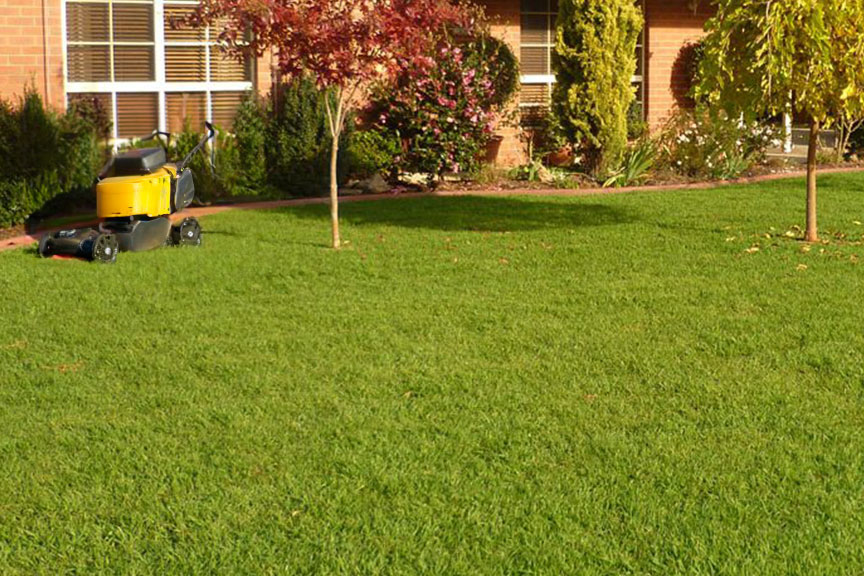
Kikuyu grass is renowned for its exceptional adaptability, which explains its widespread use across Australia.
It performs well in:
High-use recreational spaces
Kikuyu exhibits excellent tolerance to:
Heavy wear and tear
From the humid coastal areas of Queensland to the dry regions of Western Australia, Kikuyu can thrive where many other grasses struggle. This adaptability makes it a popular choice for homeowners seeking a tough, reliable lawn that can withstand Australia’s challenging environmental conditions.
Another significant advantage of Kikuyu grass is its natural resistance to weeds and many common turf pests.
Thanks to its dense growth habit and aggressive spreading nature, Kikuyu creates a thick mat that:
Minimises the need for chemical herbicides
Kikuyu also shows good resistance to common lawn pests such as:
Certain nematodes
While no lawn is completely pest-proof, Kikuyu generally requires fewer chemical treatments compared to more delicate turf varieties, making it an appealing option for those seeking a more resilient and environmentally tolerant lawn.
Identifying Kikuyu grass in the Australian environment comes down to recognising its bright green colour, coarse leaves, aggressive runners, and rapid growth habit. Its ability to adapt to a wide range of climates, tolerate heavy use, and recover quickly from damage has made it one of the most widespread turfgrasses across the country.
By understanding these defining characteristics, homeowners, landscapers, and turf professionals can make informed decisions about lawn selection, maintenance, and control. Whether you’re looking for a durable lawn solution or trying to identify a fast-spreading grass in your yard, Kikuyu stands out as a tough, versatile, and reliable option.
With the right care and management, Kikuyu grass can transform outdoor spaces into lush, hard-wearing green areas that stand up to Australia’s demanding conditions and continue to perform year after year.
A View Turf