Home » Matilda Buffalo Grass: What are the Pros and Cons?
Get one of our team members to give you a call to discuss your project!
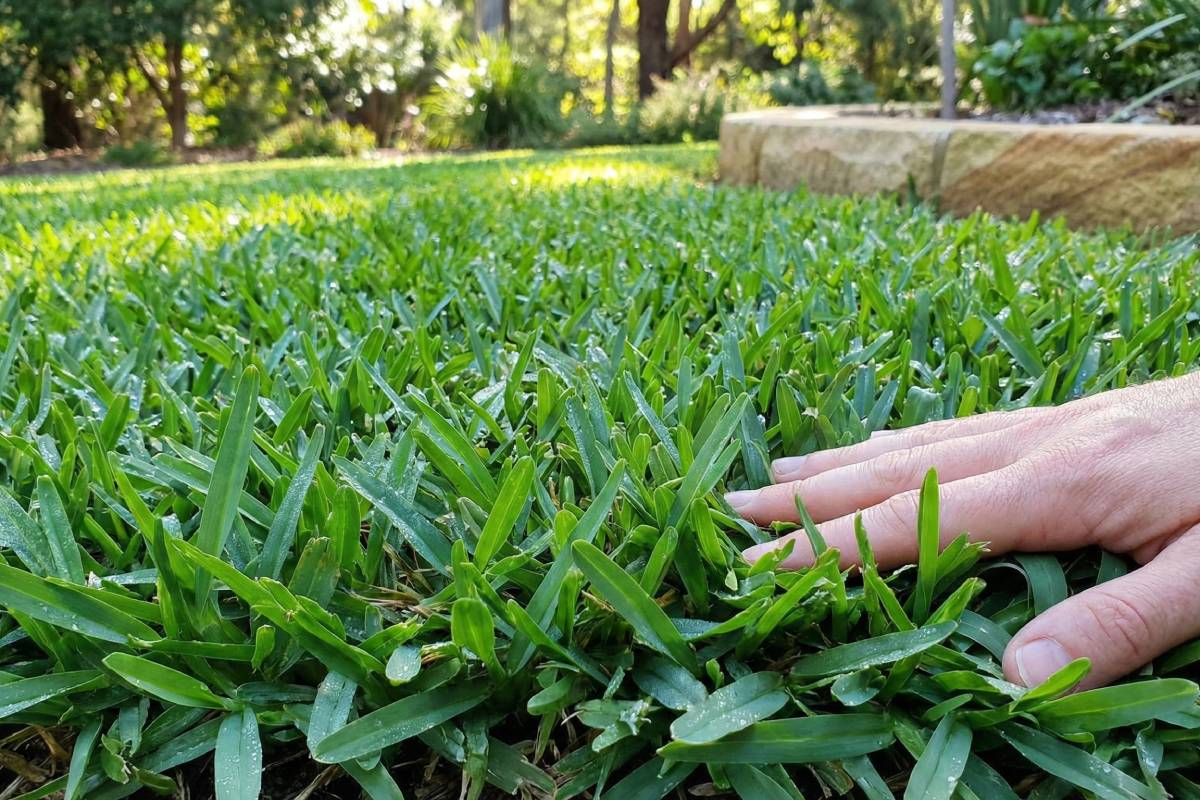
Do you want a lawn that feels like a plush carpet but acts like a shield against the harsh Australian sun?
You’ve likely heard the buzz around Matilda Buffalo. It’s often marketed as the “softest” lawn on the market a premium turf that promises to turn your backyard into a barefoot paradise. But with premium turf comes a premium price tag, and you’re probably asking: Is it actually worth the investment?
If you choose the wrong grass, you’re looking at years of scratching, patchy shade spots, and endless watering bills. Choose correctly, and you add value to your home and comfort to your lifestyle.
In this guide, we strip away the marketing fluff to give you the honest pros and cons of Matilda Buffalo Grass, so you can decide if it’s the right fit for your patch of dirt.
For those in a rush, here is the “at-a-glance” summary of how Matilda performs in Australian conditions.
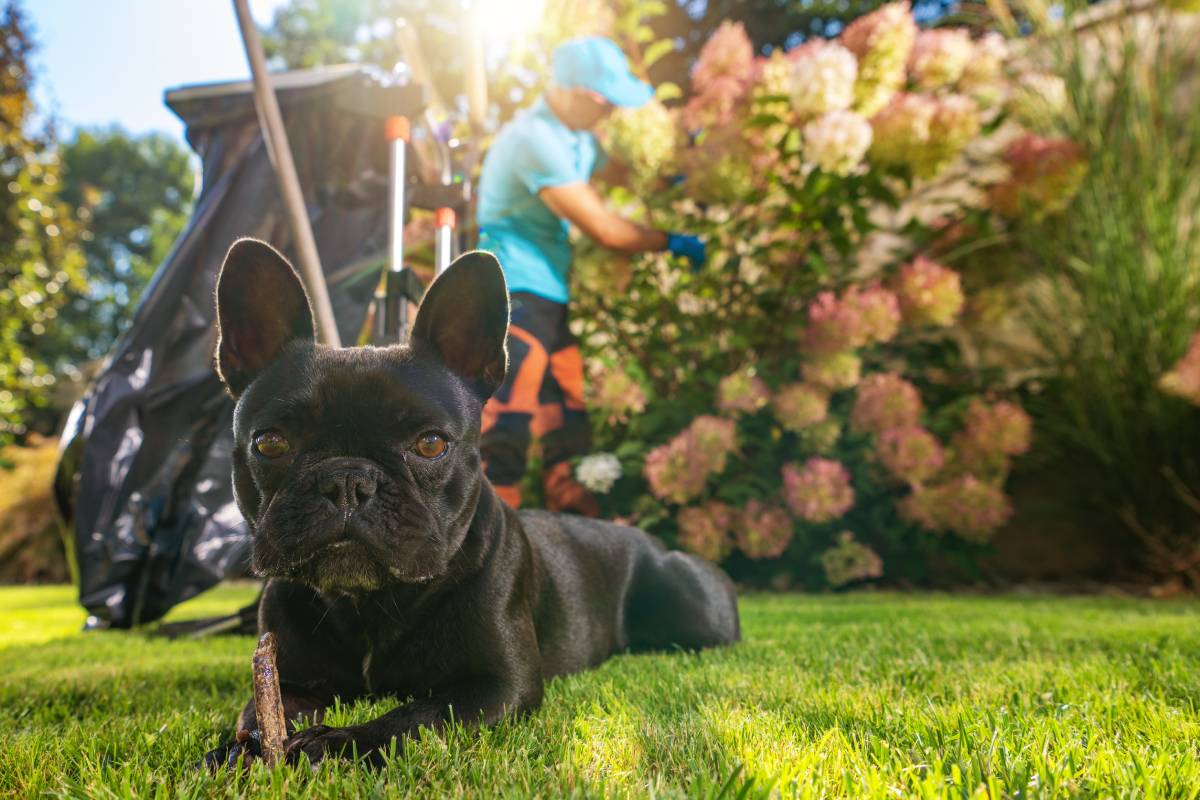
Matilda is a semi-dwarf soft leaf Buffalo (Stenotaphrum secundatum). Unlike the scratchy, broad-leaf Buffalo grasses of the 1980s, Matilda was bred specifically for the Australian climate with a focus on texture.
It is 100% Australian-born and bred. Its key differentiator is its semi-dwarf growth habit, meaning the leaves are slightly narrower and denser than standard Buffalo, creating a tighter, smoother “mat” that resists wear while feeling luxurious underfoot.
If your primary goal is a lawn for kids to roll on or for walking barefoot, Matilda is the market leader. While varieties like Sir Walter are “soft,” Matilda has a unique smooth texture on both the front and back of the leaf blade, eliminating that microscopic “velcro” feel common in other turfs.
One of the biggest complaints about warm-season grasses is that they turn straw-brown in July. Matilda is famous for holding its green pigment deep into winter. While it will go dormant in freezing temps, it bounces back to green much faster in Spring than older varieties.
Have a pool? Live near the beach? Matilda has high salt tolerance, meaning splashes of pool water or salty sea breezes won’t burn it easily. Its deep, fibrous root system also makes it highly drought-tolerant once established, requiring less water than cool-season grasses (like Fescue).
Because Matilda grows so densely, it is prone to thatching. This is where a layer of dead organic matter builds up between the grass blades and the soil.
Matilda is a premium turf. You can expect to pay anywhere from $15 to $25 per square metre (supply only), depending on your location. It is generally more expensive than Eureka Kikuyu or Nullarbor Couch.
Like all Buffalo grasses, Matilda is sensitive to broadleaf weed killers containing Dicamba. You cannot just spray “any old weed killer” on it. You must use products specifically labelled “Buffalo Safe” (usually containing Bromoxynil or MCPA), or you will kill your lawn along with the weeds.
Get one of our team members to contact you and discuss your options!
How does it stack up against the market heavyweights?
Feature
Matilda Buffalo
Sir Walter DNA Certified
Eureka Kikuyu
Softness
10/10 (Plush)
8.5/10 (Soft)
6/10 (Coarse)
Drought Resistance
High (Up to 80%)
High (Up to 75%)
Low (Needs Sun)
Wear Tolerance
High
Very High
Extreme
Maintenance
Medium
Low-Medium
High (Fast growth)
Winter Colour
Excellent
Good
Poor (Yellows)
Best For...
Luxury & Comfort
All-Rounder / Rental
Dogs / Acreage
To keep Matilda looking like a golf course, follow these three rules:
A: All warm-season grasses go dormant in freezing temperatures, but Matilda is renowned for having better winter colour retention than most other Buffalo varieties. It stays greener for longer and greens up faster in Spring.
A: Yes. It is non-toxic, soft on paws, and self-repairing. It handles urine burns reasonably well, though you should dilute patches with water if possible. For extremely active large dogs (constant running/digging), Kikuyu may be more durable.
A: Prices vary by region and supplier, but typically range between $15 and $25 per square metre. Delivery and installation will add to this cost.
A: No! Most standard Weed ‘n’ Feed products contain Dicamba, which kills Buffalo grass. You must look for a “Buffalo Safe” herbicide or a product specifically designed for Soft Leaf Buffalo.
Is Matilda Buffalo the best grass for you?
If you value luxury, softness, and aesthetics above all else, and you have a shady garden or salt spray to contend with, Matilda is arguably the best choice in Australia right now. It is the “comfort pick” of the lawn world.
However, if you have three large dogs that dig constantly, or if you are on a strict budget, you might be better served by the aggressive repair capabilities of Kikuyu or the slightly tougher nature of Sir Walter.
The final question to ask yourself is this: Are you willing to mow slightly more often to have the softest lawn in the street? If the answer is yes, Matilda is your winner.
A View Turf