
Couch Grass: Pros & Cons

Request a Callback

Get one of our team members to give you a call to discuss your project!

Couch Grass Pros and Cons

The Ins and Outs of Couch Grass: Pros and Cons for the Australian Environment

In the realm of Australian lawns, couch grass remains one of the most widely used and recognisable turf varieties. Valued for its fine texture, vibrant green colour, and impressive resilience, couch grass is commonly found in residential yards, sporting fields, and public open spaces across the country. Its ability to thrive in warm conditions and recover quickly from damage makes it especially appealing in Australia’s often harsh climate.

However, like any turf option, couch grass comes with both advantages and disadvantages. Understanding these characteristics is essential for homeowners who want a lawn that not only looks good but also aligns with their maintenance expectations, water availability, and local climate conditions.

Let’s explore the pros and cons of couch grass, specifically tailored to the Australian environment, to help you determine whether it’s the right choice for your outdoor space.

A View Turf Can Help
Leave the hard work to the experts and contact us online or call today 1800 799 222

Popular Couch Grass Varieties in Australia

Before exploring the benefits and drawbacks of couch grass, it’s important to understand that couch grass is not a single variety, but a group of closely related turf types. Some of the most commonly used couch grass varieties in Australia include:

  • Queensland Blue Couch – Known for its fine leaf and strong drought tolerance, commonly used in residential lawns.

  • Wintergreen Couch – One of the most popular options, valued for its bright green colour and aggressive growth.

  • Santa Ana Couch – Often used in sports fields and high-traffic areas due to its dense growth and wear resistance.

Each variety shares similar core traits but may differ slightly in colour, texture, and cold tolerance. Understanding which variety you’re dealing with can help fine-tune maintenance practices and expectations.

The Pros

Couch grass, particularly varieties like Queensland Blue and Wintergreen, exhibits excellent drought tolerance. This trait is invaluable in the Australian climate, where dry spells are common. Even during prolonged periods of limited rainfall, couch grass can maintain its lush appearance with minimal water.
Couch grass’s rapid growth rate is a primary attraction, swiftly establishing itself and filling bare patches with a dense carpet of greenery. This trait appeals to homeowners seeking quick results in lawn development, whether for landscaping projects or restoring damaged areas, making it an excellent choice for fast and effective lawn establishment.
Australian lawns often endure heavy foot traffic, especially in households with active children and pets. Couch grass is renowned for its resilience to wear and tear, bouncing back quickly even after being subjected to considerable use. This durability ensures that the lawn remains visually appealing despite ongoing activity.
Whether your soil is sandy, loamy, or clay-based, couch grass can thrive in diverse soil conditions. This adaptability makes it suitable for a wide range of environments across Australia, from coastal regions to inland areas, ensuring a lush lawn wherever you are.
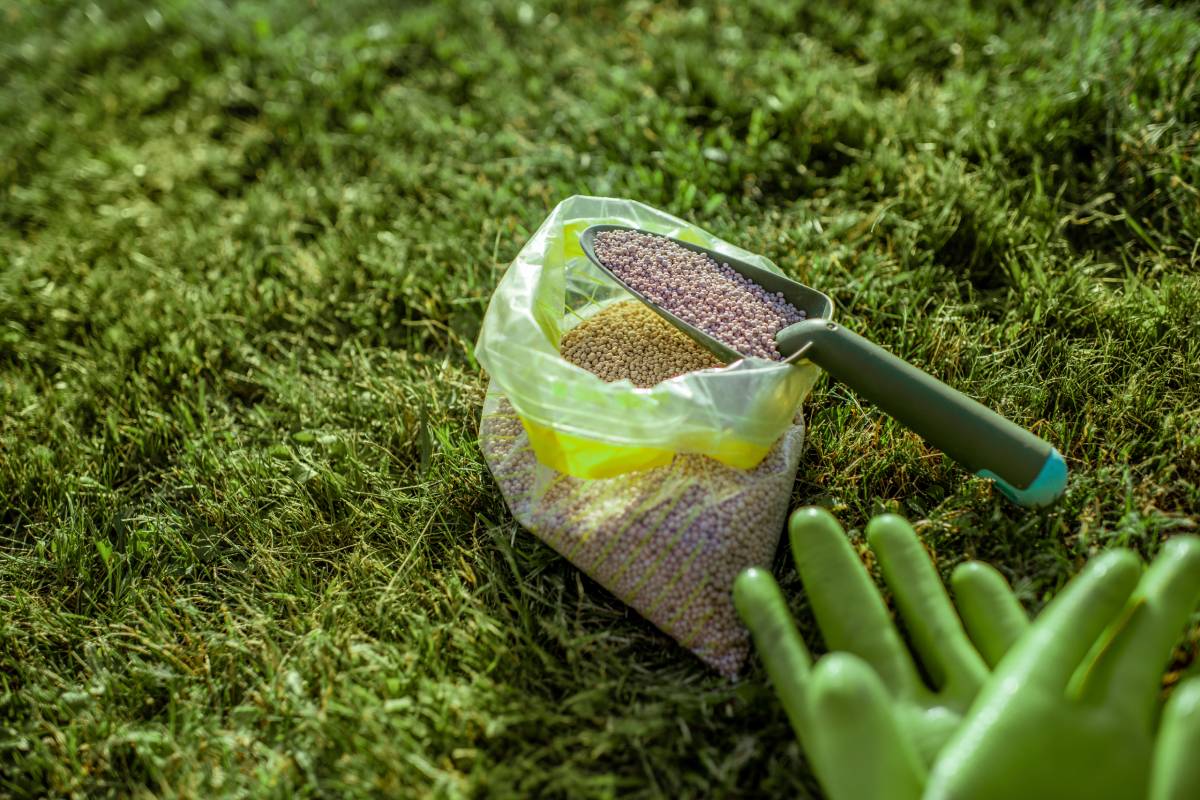
Compared to some other turf varieties, couch grass generally requires minimal maintenance. It has relatively low fertilizer needs and can tolerate mowing at shorter heights, reducing the time and effort needed for lawn upkeep significantly.

The Cons

While its vigorous growth is a boon for establishing a lush lawn, couch grass’s aggressive spreading nature can be a double-edged sword. It has a tendency to encroach upon flower beds, garden borders, and pathways if not kept in check, requiring regular edging to prevent it from overtaking other areas of the garden.
Despite its drought tolerance, couch grass may struggle to maintain its vibrant green color during periods of extreme heat without adequate irrigation. In such conditions, supplementary watering may be necessary to prevent it from browning and becoming dormant.
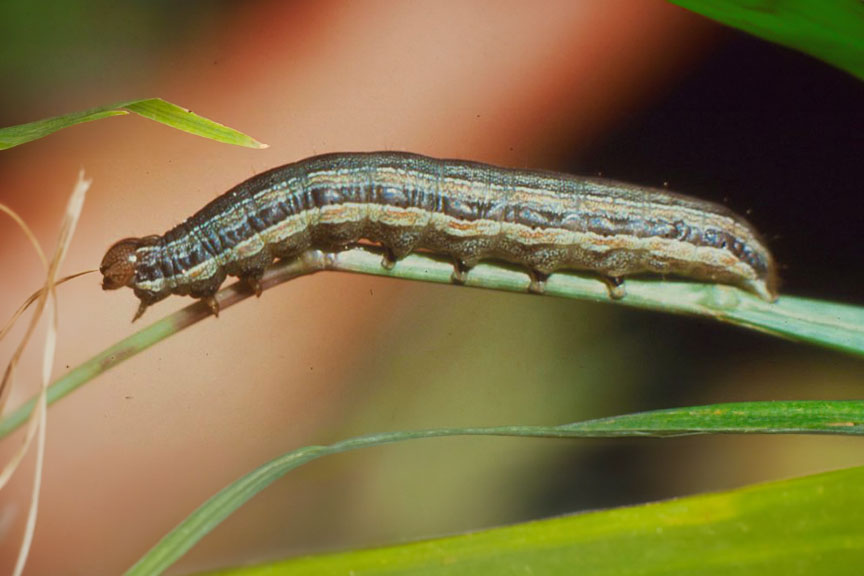
While generally resilient, couch grass can fall victim to certain pests and diseases common in the Australian environment. Armyworms, mole crickets, and fungal infections like dollar spot and brown patch can pose challenges to its health, necessitating proactive pest management and disease prevention measures.
In regions with cooler winters, couch grass may enter a period of dormancy, turning brown until temperatures warm up again in spring. While this is a natural response to seasonal changes, some homeowners may find the dormant appearance less aesthetically pleasing compared to evergreen alternatives.
Without proper lawn care practices such as regular dethatching, couch grass can develop a layer of thatch—a dense mat of organic matter—just above the soil surface. Excessive thatch buildup can impede water and nutrient absorption, leading to shallow root growth and increased susceptibility to stress.

Couch Grass vs Other Common Australian Lawns

When compared to other popular turf types:

  • Couch vs Buffalo: Couch thrives in sun, while buffalo performs better in shade.

  • Couch vs Kikuyu: Couch is finer and easier to control, while Kikuyu is more aggressive.

  • Couch vs Zoysia: Couch establishes faster, whereas zoysia grows more slowly but requires less mowing once mature.

These comparisons help highlight where couch grass fits best within the broader Australian turf landscape.

Environmental Suitability Across Australia

Couch grass performs particularly well in warm and temperate regions, including coastal areas, metropolitan suburbs, and inland zones with good sunlight exposure. It tolerates heat well and adapts to varying soil conditions, making it suitable across much of Australia.

In frost-prone or southern regions, winter dormancy should be expected, but this does not impact long-term lawn health.

Who Couch Grass Is Best Suited For

Couch grass is ideal for:

  • Sunny lawns and open spaces
  • Active households with pets and children
  • Homeowners who prefer a low-cut lawn appearance

It may be less suitable for:

  • Heavily shaded gardens
  • Garden beds without edging
  • Those wanting year-round green colour in cooler climates
Couch Grass Pros & Cons

Conclusion

Couch grass undoubtedly provides many benefits for Australian homeowners looking for a hard-wearing, fast-growing, and visually appealing lawn. Its drought tolerance, rapid establishment, and resilience to wear and tear have made it a staple turf choice across the country.

However, these advantages should be carefully weighed against potential drawbacks such as its invasive nature, pest susceptibility, winter dormancy, and thatch buildup.

Ultimately, whether couch grass is suitable for your landscape depends on your local climate, soil type, and willingness to perform regular lawn maintenance. By understanding both the pros and cons outlined above, you can make an informed decision that supports a healthy, functional, and attractive outdoor space suited to the Australian environment.

To request an online quote for new turf in your local area, contact A View Turf today.

Explore our wide range of turf varieties to find the perfect match for you.

Share:

Facebook
Twitter
Pinterest
LinkedIn

Get a Quick Quote