Home » Can You Mow a Wet Lawn / Is It Bad to Cut Grass When Wet?
Get one of our team members to give you a call to discuss your project!
Mowing the lawn is a regular part of maintaining a healthy, attractive yard. But what happens when your mowing day arrives and the grass is still wet from rain, dew, or irrigation? Many homeowners face this dilemma — should you mow a wet lawn, or is it better to wait?
The short answer: Yes, you can mow wet grass — but it’s often not a good idea. While it might seem harmless, cutting a wet lawn can affect the health of your turf, damage your equipment, and even create safety hazards.
Let’s break down what actually happens when grass is wet, the risks involved, and when mowing might still be acceptable.
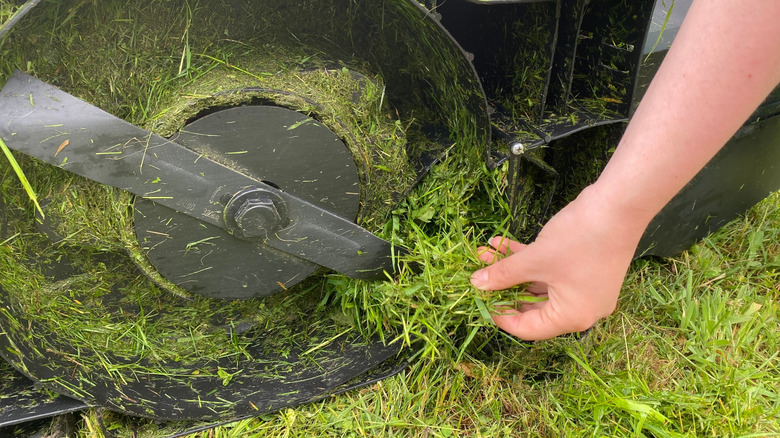
Grass blades change significantly when moisture is present. Instead of standing upright, wet blades become heavier, stick together, and bend under their own weight. This seemingly small difference creates multiple mowing challenges.
When grass is wet:
Understanding these effects helps explain why professionals typically recommend waiting for dry conditions.


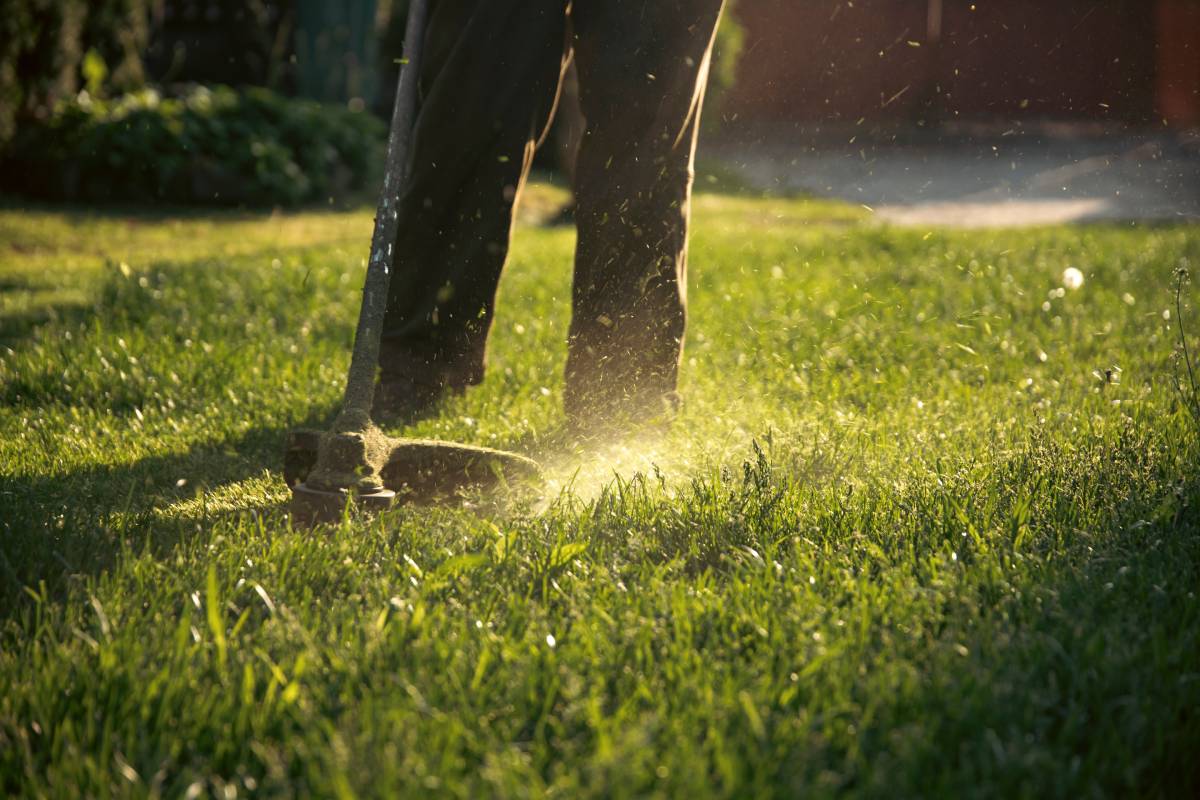
Wet grass bends rather than slices cleanly. Instead of a crisp trim, mower blades tear through damp leaves, leaving frayed edges.
Why this matters:
Clean cuts are essential for turf recovery and long-term health.
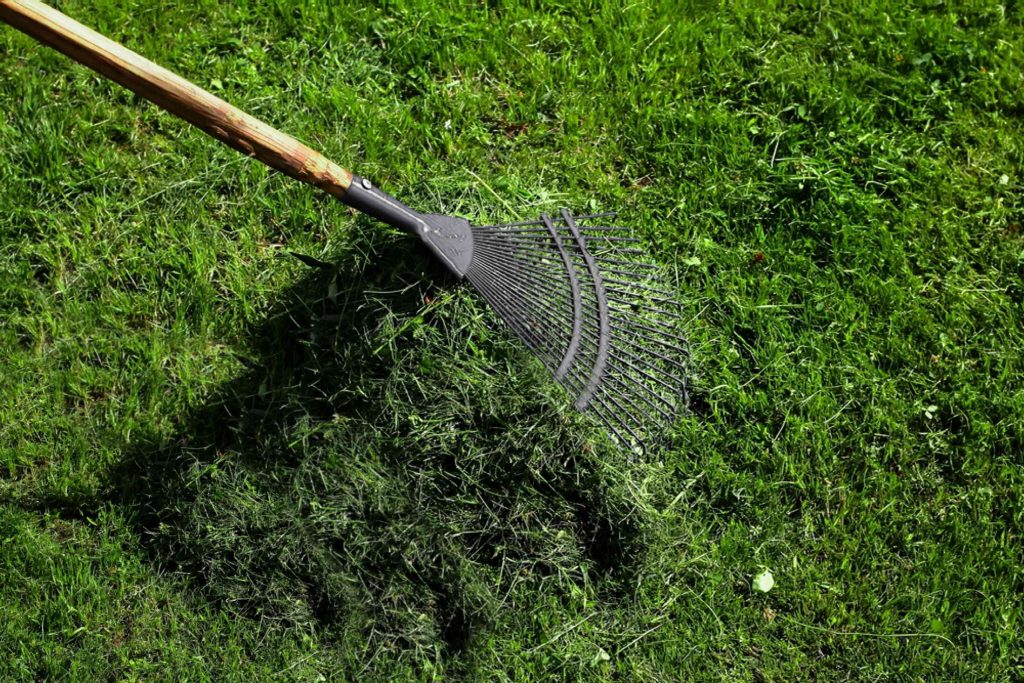
Wet clippings stick together, forming thick, heavy piles across the lawn.
These clumps:
Instead of feeding the soil, clippings become harmful.
Wet soil is softer and more vulnerable. The weight of a mower compresses damp ground, especially in high-traffic areas.
Consequences include:
Repeated mowing in wet conditions can weaken turf structure over time.
Moist environments are ideal for fungal pathogens. When grass is wet, mowing can spread disease spores quickly across the yard.
Common lawn diseases thrive in damp conditions, including:
Damaged, torn blades worsen the problem.
Wet grass sticks inside mower decks and chutes, forcing machines to work harder.
Possible issues:
This reduces mower lifespan and efficiency.
Wet grass creates slippery surfaces. Combined with powered machinery, this increases accident risks.
Potential dangers:
Safety is often the most overlooked concern.
Get one of our team members to contact you and discuss your options!
While generally discouraged, mowing damp grass isn’t always disastrous. Certain situations are less risky.
You may mow if:
However, heavily soaked lawns should always be avoided.
Drying time depends on several factors:
In warm Australian climates, lawns may dry within a few hours. Cooler or shaded yards may require a full day.
A simple test:
Sometimes schedules or weather patterns make waiting difficult. If mowing can’t be postponed, minimise harm:
Instead of cutting immediately:
Small timing changes produce healthier results.
Not necessarily — but repeated wet mowing can weaken turf, promote disease, and create uneven growth.
Light dew is generally safe if soil is firm and mower blades are sharp.
Wet clippings stick together and accumulate inside the deck and chute, blocking airflow.
Yes. Moisture allows fungal spores to transfer easily between grass blades.
Dry grass, dry soil, and good visibility provide optimal safety and cut quality.
While technically possible, mowing wet grass often creates more problems than it solves. Poor cuts, disease risk, lawn damage, equipment strain, and safety concerns make dry conditions the better choice — something the team at A View Turf regularly advises homeowners to consider when maintaining a healthy lawn.
Patience pays off — allowing grass to dry ensures:
When it comes to lawn care, timing is just as important as technique. Taking a little extra care before mowing can make a significant difference in the long-term appearance and durability of your lawn.
A View Turf