Home » Lawn Grubs: Types, Signs of Infestation, Identification, Control Methods, Treatment and Prevention Tips
Get one of our team members to give you a call to discuss your project!
A healthy, green lawn doesn’t just happen by chance. Even well-maintained turf can suddenly develop brown patches, thinning areas, or sections that feel spongy underfoot. One of the most common — and often misunderstood — culprits behind these problems in Australian lawns is lawn grubs.
These underground pests can quietly damage turf roots before homeowners even realise there’s an issue. By the time visible symptoms appear, significant lawn stress may already be underway. Understanding what lawn grubs are, how to identify them, and how to control and prevent infestations is essential for protecting your turf investment.
Let’s explore everything you need to know.
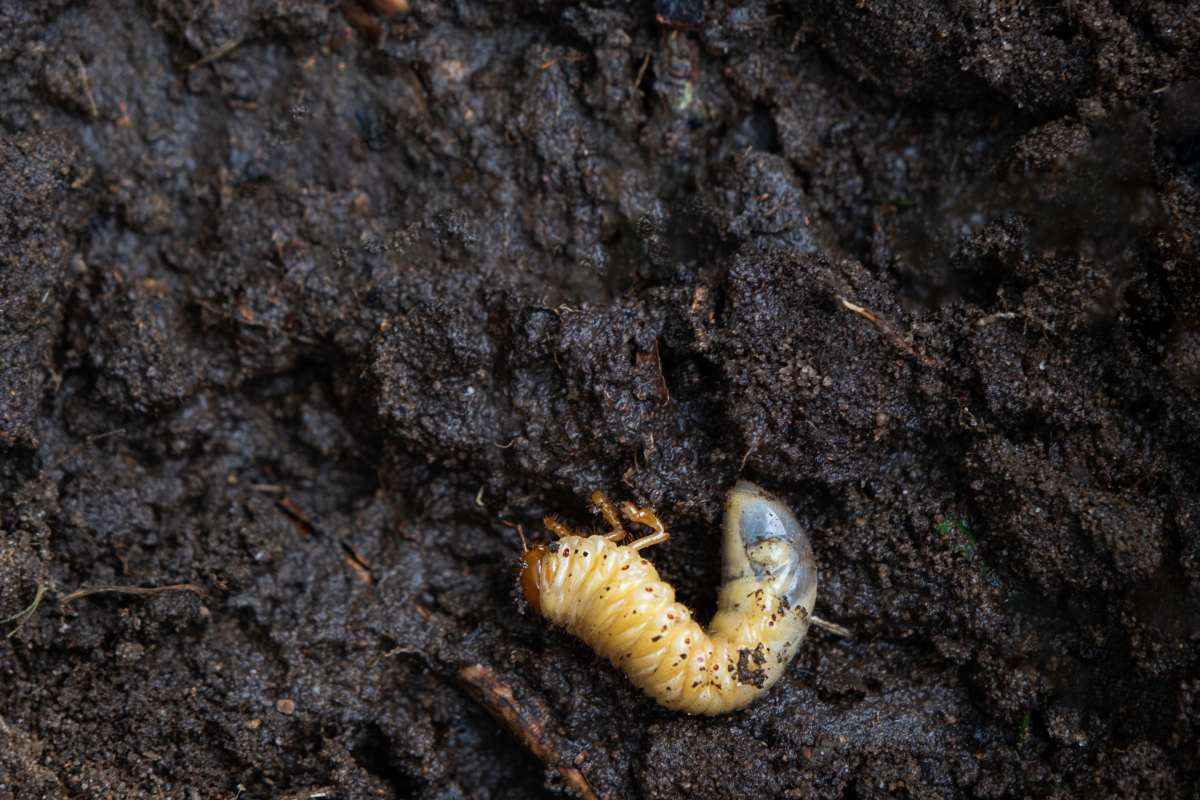
“Lawn grubs” is a broad term used to describe the larvae of various beetles and moths that live beneath the soil surface and feed on grass roots. While small in size, their impact can be surprisingly destructive.
Grubs typically:
Left untreated, an infestation can rapidly transform a lush lawn into a patchy, unhealthy yard.

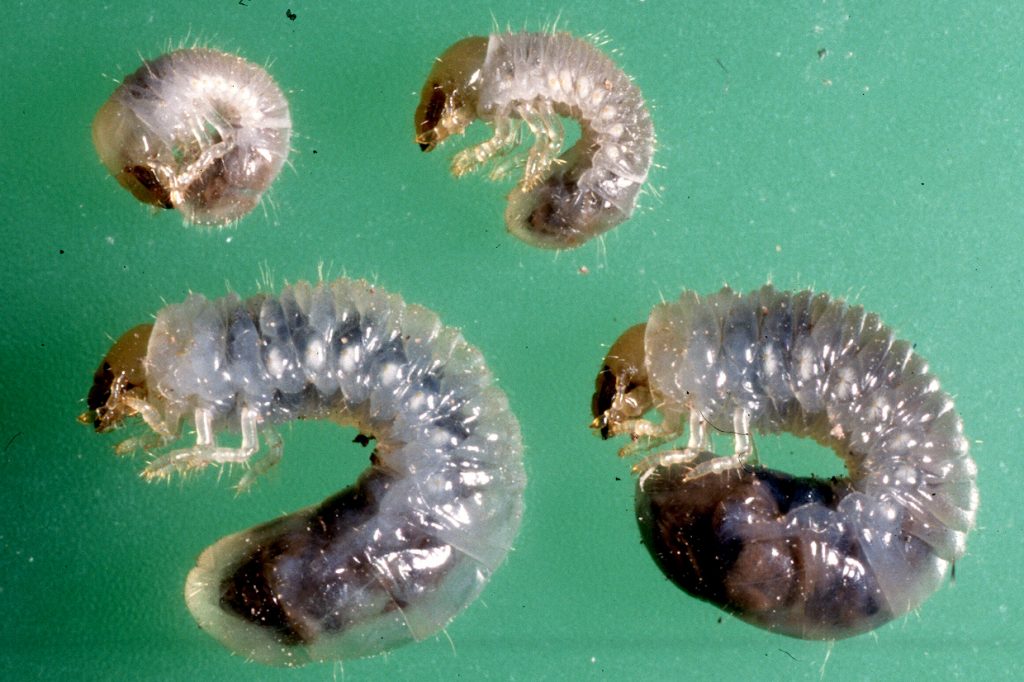


Different species behave differently, which is why identification matters.

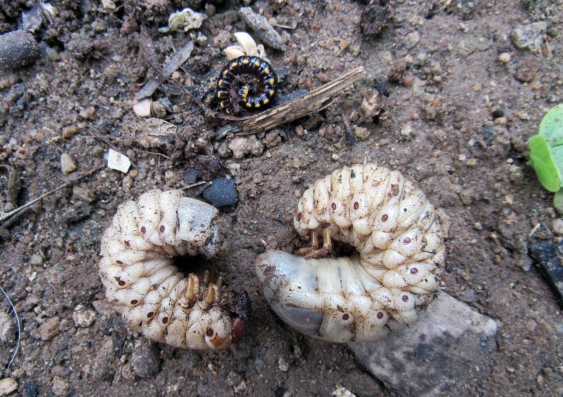
One of Australia’s most widespread lawn pests. The larvae feed aggressively on roots, weakening grass from below.
Characteristics:
![]()
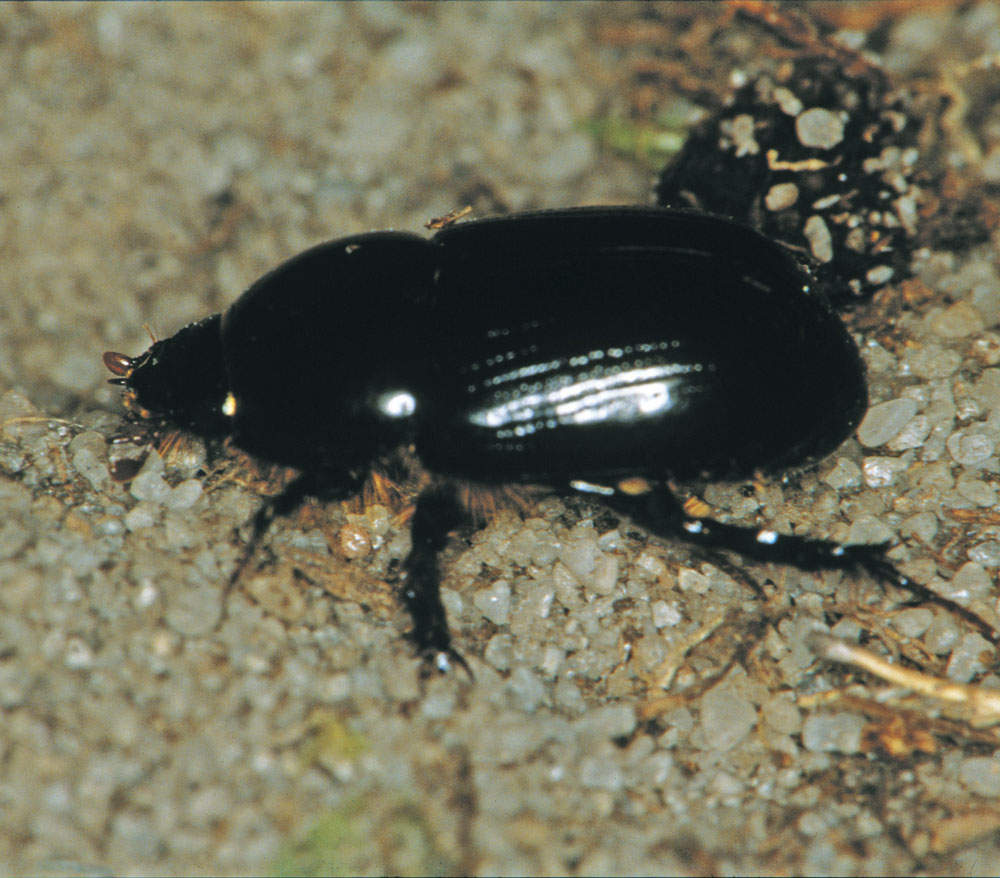
Often larger and capable of causing rapid damage.
Characteristics:
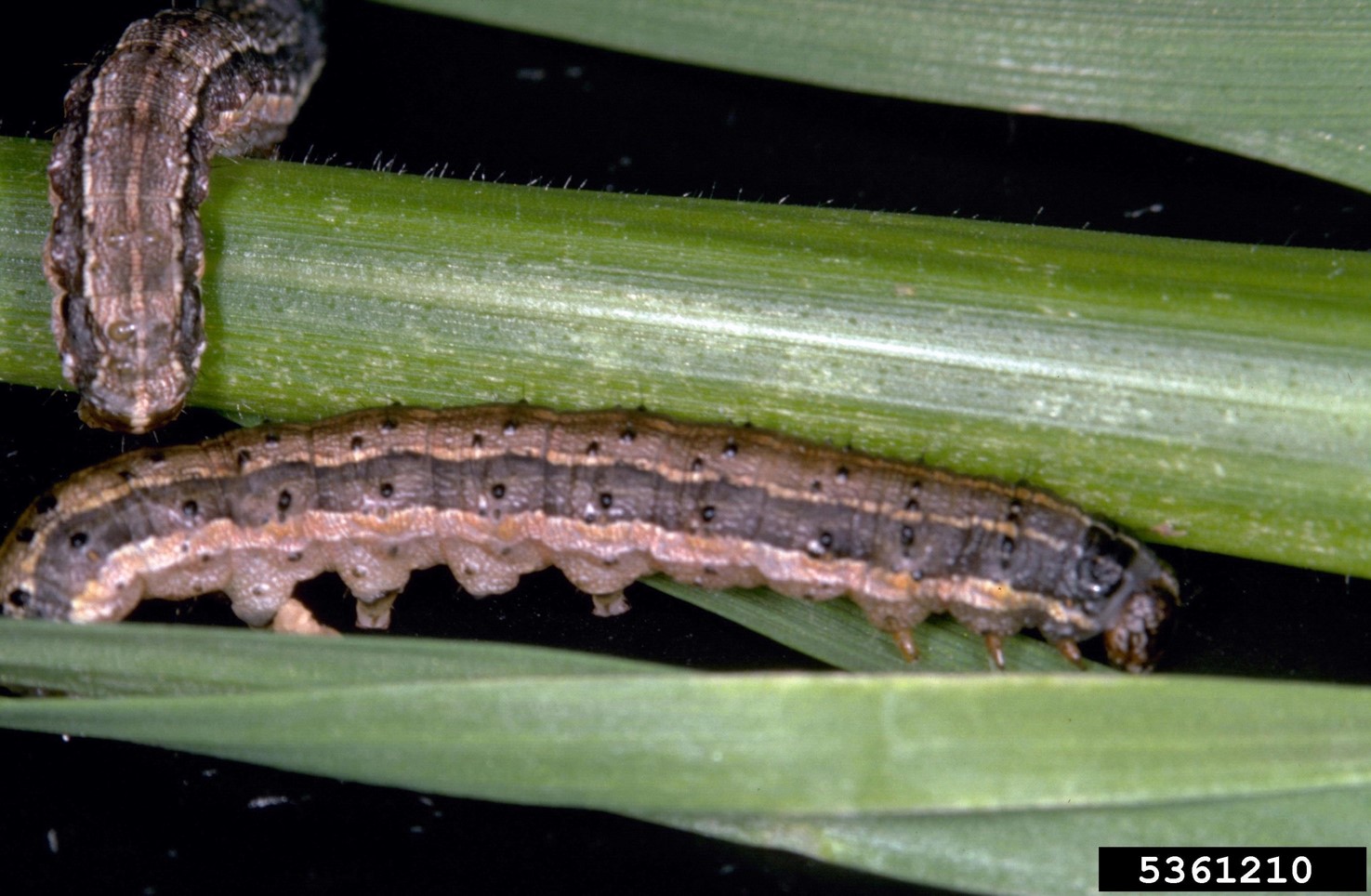
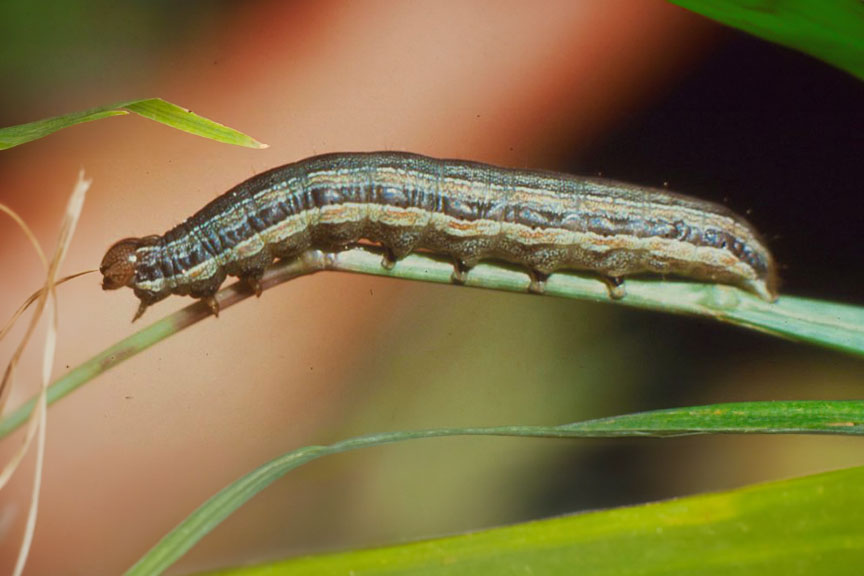
Technically caterpillars rather than beetle larvae, but equally damaging.
Characteristics:
Get one of our team members to contact you and discuss your options!
Early detection greatly improves recovery success. Watch for:
Correct identification prevents unnecessary or ineffective treatments.
Cut a small square of turf (approx. 10 cm deep) and peel it back.
Look for:
Finding more than a few grubs often indicates a developing problem.
Grubs are more active during warmer months, especially spring and summer.
Root feeders produce dead patches; leaf feeders create chewed surfaces.
Control strategies depend on severity and grub type.
Useful for minor infestations.
Healthy turf tolerates small grub populations better.
Often necessary for moderate to severe infestations.
Timing is critical — treatments work best when grubs are actively feeding.
Environmentally friendly alternatives.
These solutions can be effective when used correctly.
Eliminating pests is only half the solution. Recovery care is equally important.
Not necessarily. Small populations are common and usually harmless. Problems arise when numbers increase and root damage becomes significant.
Typically during warmer months — spring through early autumn — when larvae feed aggressively.
Yes, if addressed early. Severe root loss may require overseeding or returfing.
Biological controls can be effective, especially for mild infestations. Results depend on correct application and environmental conditions.
Focus on lawn health, proper watering, thatch management, and periodic soil checks.
Many grub problems escalate simply because they go unnoticed. A lawn may appear healthy until roots are significantly compromised. Regular inspection and preventative care help homeowners avoid costly repairs.
At A View Turf, we often advise that consistent lawn observation is one of the most effective defence strategies. Catching pest activity early preserves turf density, colour, and durability.
A View Turf