Home » What Are Common Mistakes When Laying Australian Turf and How Can I Avoid Them?
Get one of our team members to give you a call to discuss your project!
Laying new turf is one of the fastest ways to transform an outdoor space. In just a day, a bare patch of soil can become a vibrant, green lawn. Yet despite how straightforward the process appears, many Australian homeowners unknowingly make mistakes during turf installation — mistakes that can lead to poor growth, patchy coverage, drainage problems, or even complete lawn failure.
The good news? Most turf problems don’t come from the grass itself, but from how the lawn is prepared and laid. By understanding the most common pitfalls, you can avoid costly errors and ensure your new lawn establishes quickly and thrives for years.
Let’s walk through the mistakes people make most often — and exactly how to prevent them.
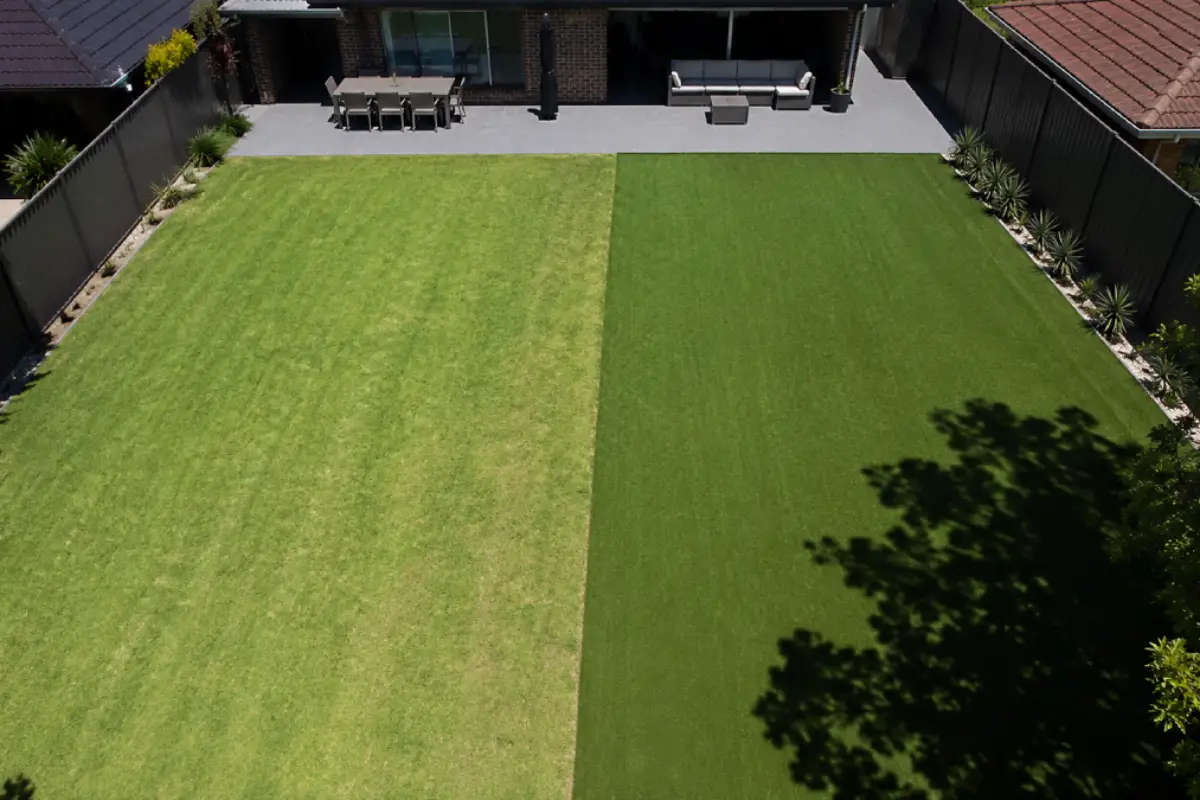
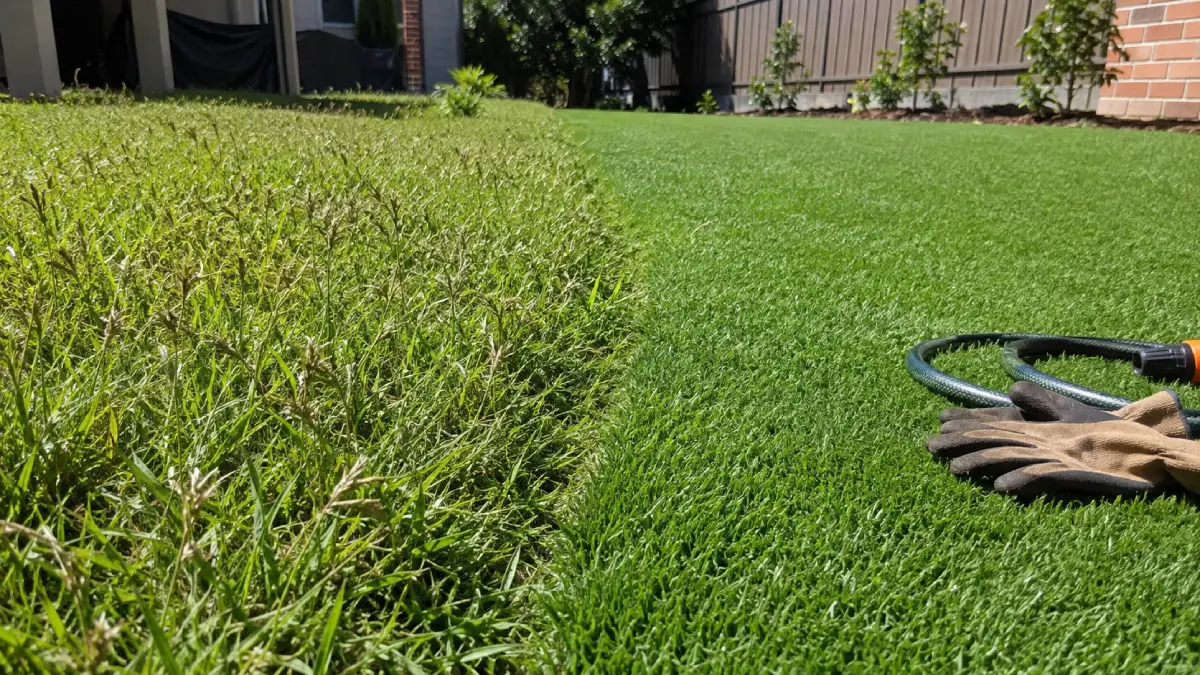
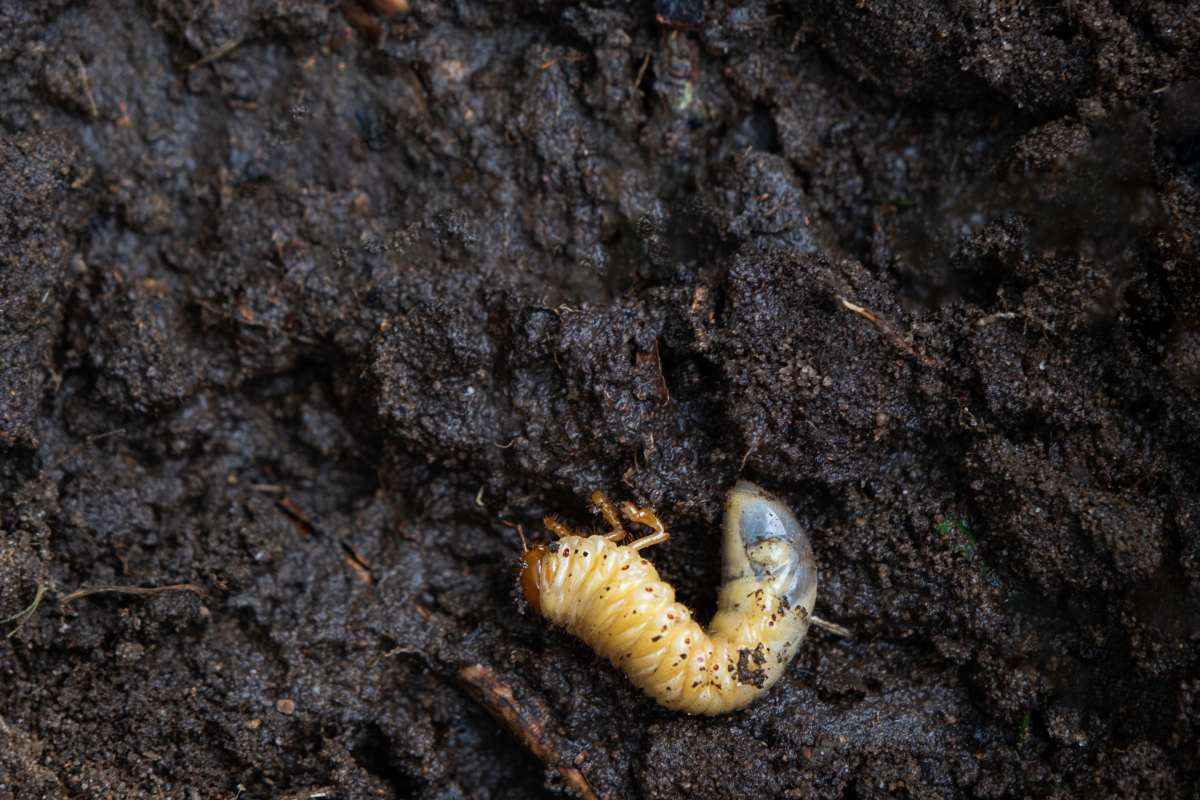
One of the biggest misconceptions about turf is that it will “fix” bad soil. Unfortunately, turf is not a miracle solution. If the ground beneath it is compacted, nutrient-poor, or uneven, your lawn will struggle from day one.
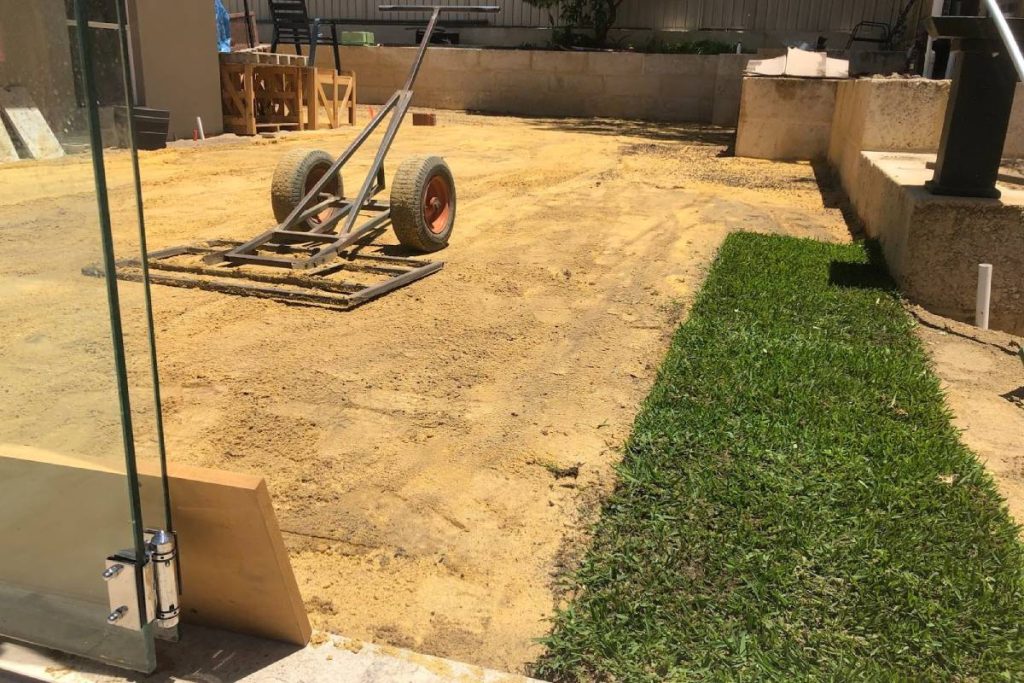
Turf roots need loose, well-draining, nutrient-rich soil to anchor and grow. Hard or neglected soil restricts root penetration and water movement, leading to:
A well-prepared base is the single most important factor in turf success.
Drainage is often overlooked until after the turf is laid — when water pooling becomes obvious. Poor drainage can quickly suffocate roots and encourage disease.
Fixing drainage before installation is far easier than repairing a damaged lawn later.
Many people rush into laying turf without properly moistening the soil. Turf placed on dry ground struggles to connect roots to moisture.
Fresh turf relies on immediate access to water. Dry soil creates a barrier between the turf and essential moisture, slowing establishment.
Timing and moisture go hand-in-hand for healthy root bonding.
Small gaps might seem harmless, but they create long-term aesthetic and structural issues.
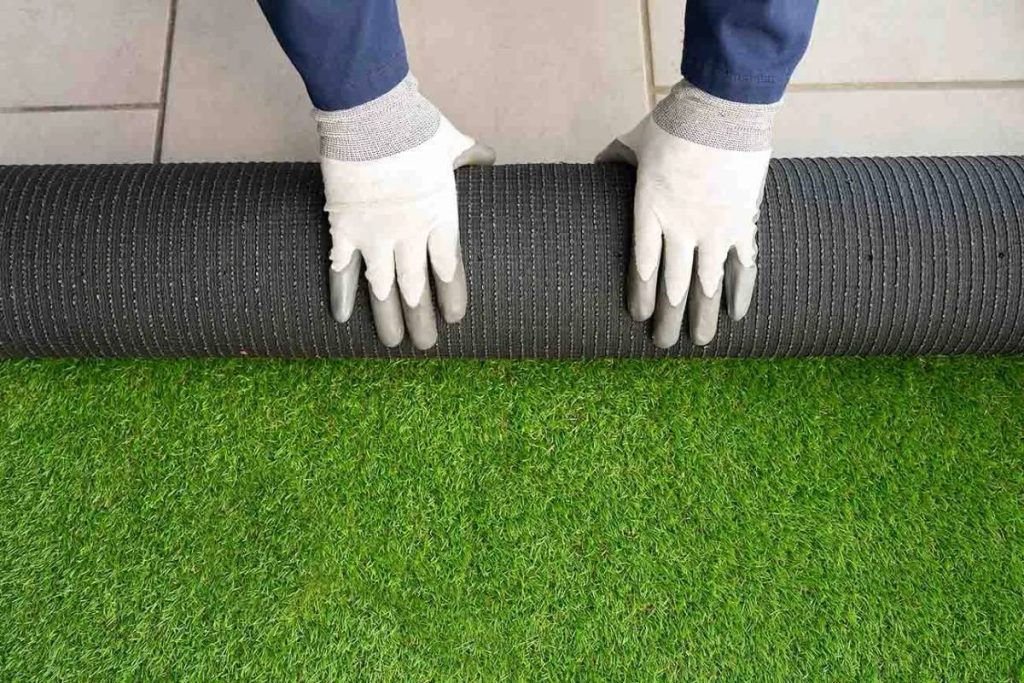
Precision during laying makes a major difference in the final appearance.
Turf is a living product. Leaving it rolled up for too long can severely damage it, particularly in Australia’s warm climate.
Fresh turf performs best when installed quickly.
Get one of our team members to contact you and discuss your options!
Watering mistakes are extremely common — either too little, too much, or poorly timed.
New turf dries out before roots establish, leading to shrinkage and browning.
Constant saturation limits oxygen in the soil, promoting fungal issues.
Consistency is key during establishment.
Mowing mistakes can stress or damage new turf.
Pulls up unestablished turf and damages roots.
Leads to long, weak blades that shade lower growth.
Proper mowing timing helps turf mature evenly.
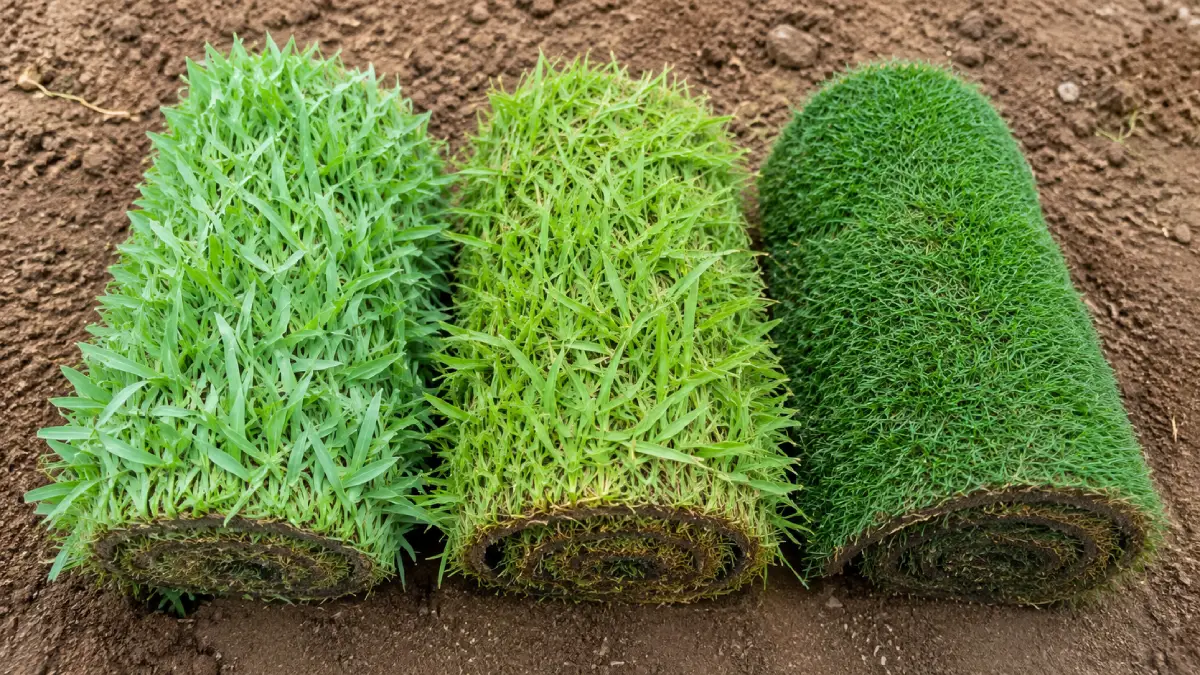
Australia’s diverse climates demand careful turf selection. A grass type that thrives in Brisbane may struggle in Melbourne or Perth.
Selecting the right turf greatly reduces long-term problems.
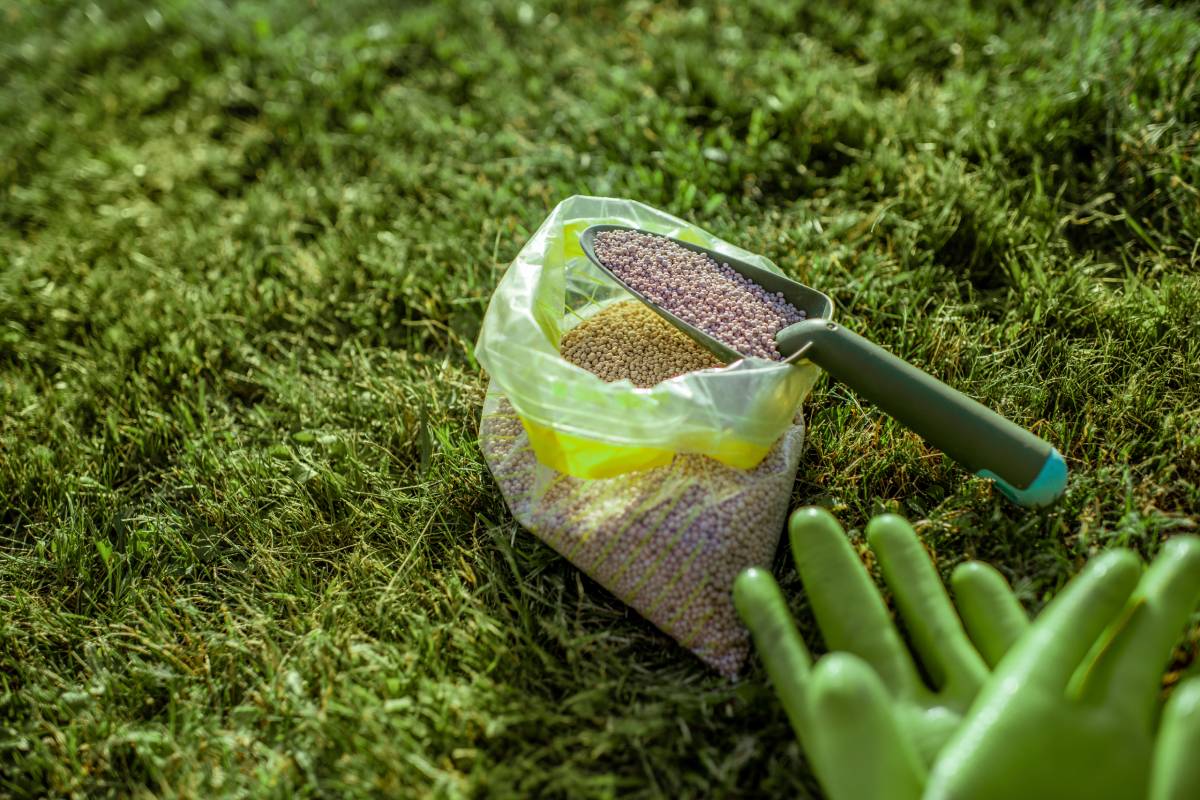
Many homeowners assume new turf doesn’t require feeding. In reality, nutrients play a crucial role in establishment.
Fresh turf needs energy to develop roots, recover from transplant stress, and produce new growth.
Balanced nutrition accelerates lawn success.
Newly laid turf is vulnerable. Excessive foot traffic can shift pieces and disrupt rooting.
Patience protects your investment.
Before laying:
During laying:
After laying:
Under good conditions, turf typically begins rooting within 10–14 days and fully establishes within 4–6 weeks. Weather, watering, and soil quality all influence this timeline.
No — this is a common mistake. Old grass prevents root contact with soil and leads to poor establishment. Always remove existing vegetation first.
Spring and early autumn are generally ideal, but many warm-season grasses can be installed year-round with proper care. Extreme heat requires extra watering attention.
Lift a corner of turf to check soil moisture. The soil should remain damp but not waterlogged. Dry soil indicates insufficient watering.
This usually occurs due to shrinkage from dehydration or poor initial installation. Ensuring tight joins and consistent watering helps prevent separation.
Most turf failures are preventable. Careful preparation, correct installation techniques, and proper aftercare dramatically improve outcomes. A healthy lawn isn’t just about buying quality turf — it’s about giving that turf the right start.
If you’re planning a new lawn, the expert team at A View Turf can eliminate guesswork and help you choose the ideal turf for your environment. A well-laid lawn rewards you with years of durability, beauty, and enjoyment — making the extra attention well worth it.
A View Turf