
Home » How to Make Dead Grass Green (Lawn Restoration Guide)
Get one of our team members to give you a call to discuss your project!
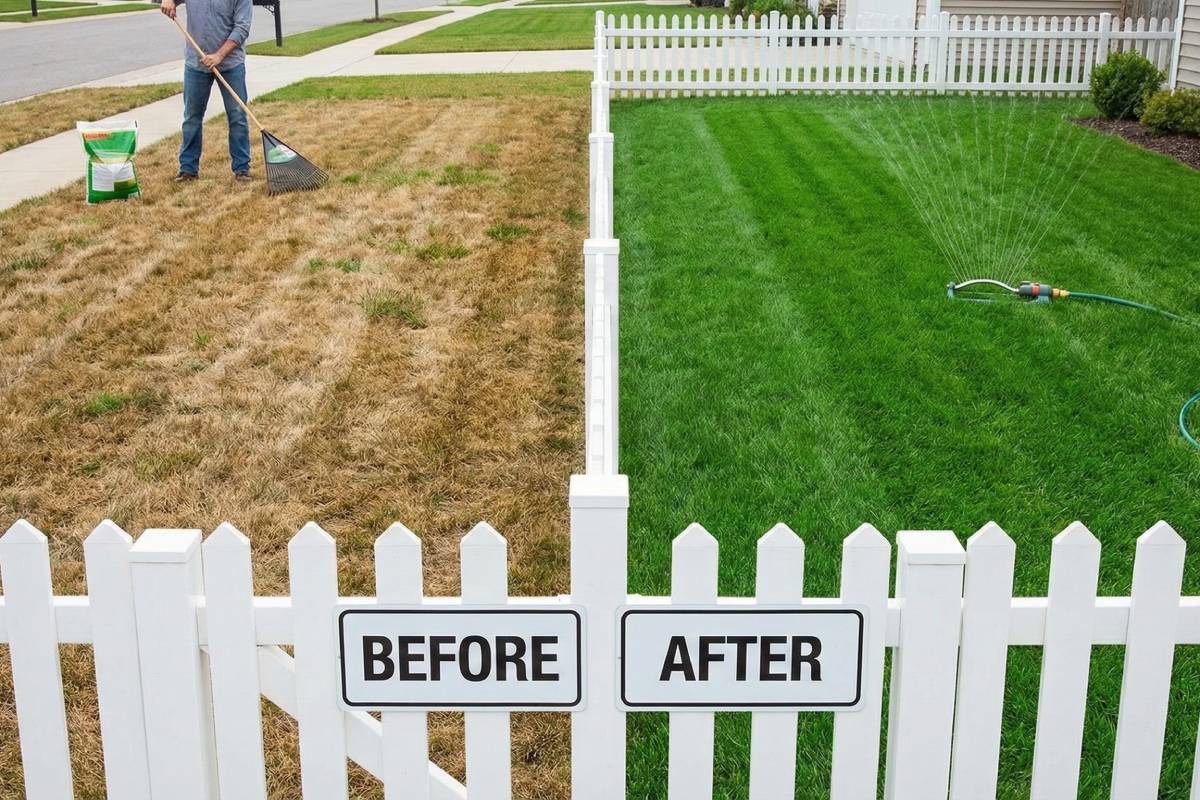
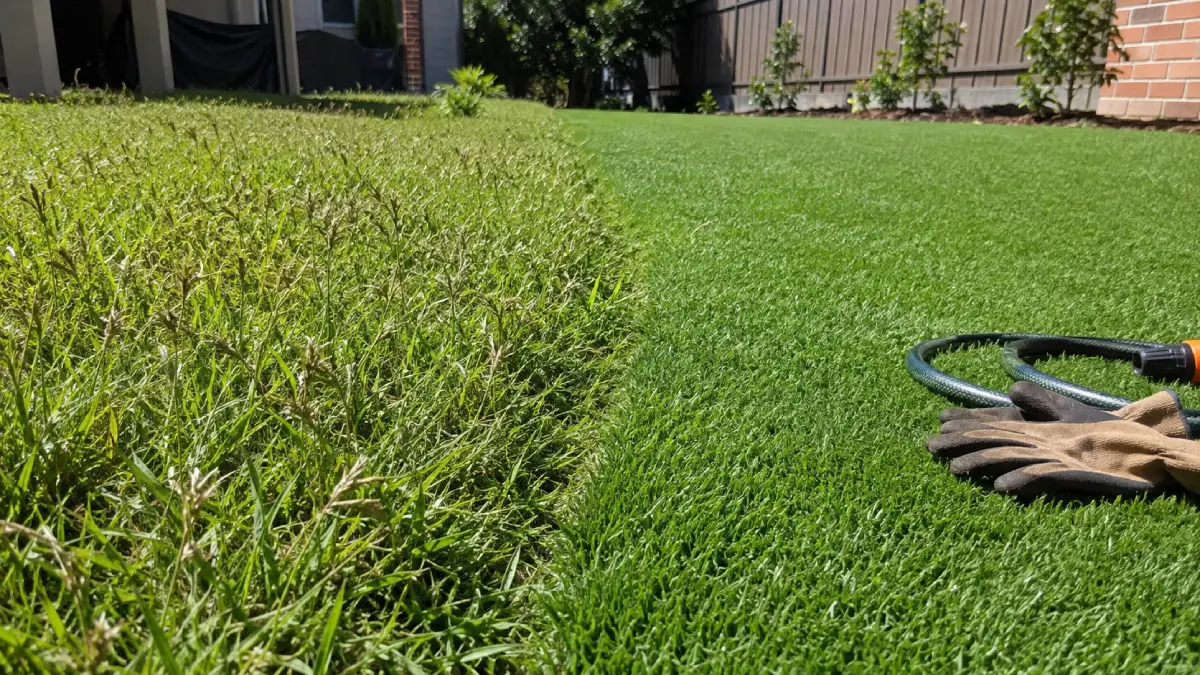
A lush, emerald-green lawn is the crown jewel of a home’s exterior. But when your yard starts looking like a patch of parched hay, it can feel like a losing battle. The good news? “Dead” grass is often just dormant, a natural defence mechanism against stress.
Whether your lawn is suffering from drought, heat, or neglect, here is a comprehensive guide to restoring that vibrant green.
Before you grab the hose, you need to know what you’re dealing with.
The most common cause of brown grass is a lack of water. However, you can’t simply flood a stressed lawn.
Over time, soil becomes compacted, preventing water, oxygen, and nutrients from reaching the roots.
Get one of our team members to contact you and discuss your options!
Fertiliser is essential for greening, but applying it to a heat-stressed or thirsty lawn can actually “burn” the grass.
How you cut your grass dictates how green it stays.
If you have a special event or need immediate curb appeal while your grass recovers, consider lawn paint. These are organic, non-toxic dyes specifically designed for turf. They provide an instant green look that lasts for weeks and won’t wash away with rain, allowing the underlying grass to recover without the pressure of looking perfect.
| Symptom | Likely Cause | Fix |
|---|---|---|
| Uniform Brown/Tan | Drought/Dormancy | Deep watering & Aeration |
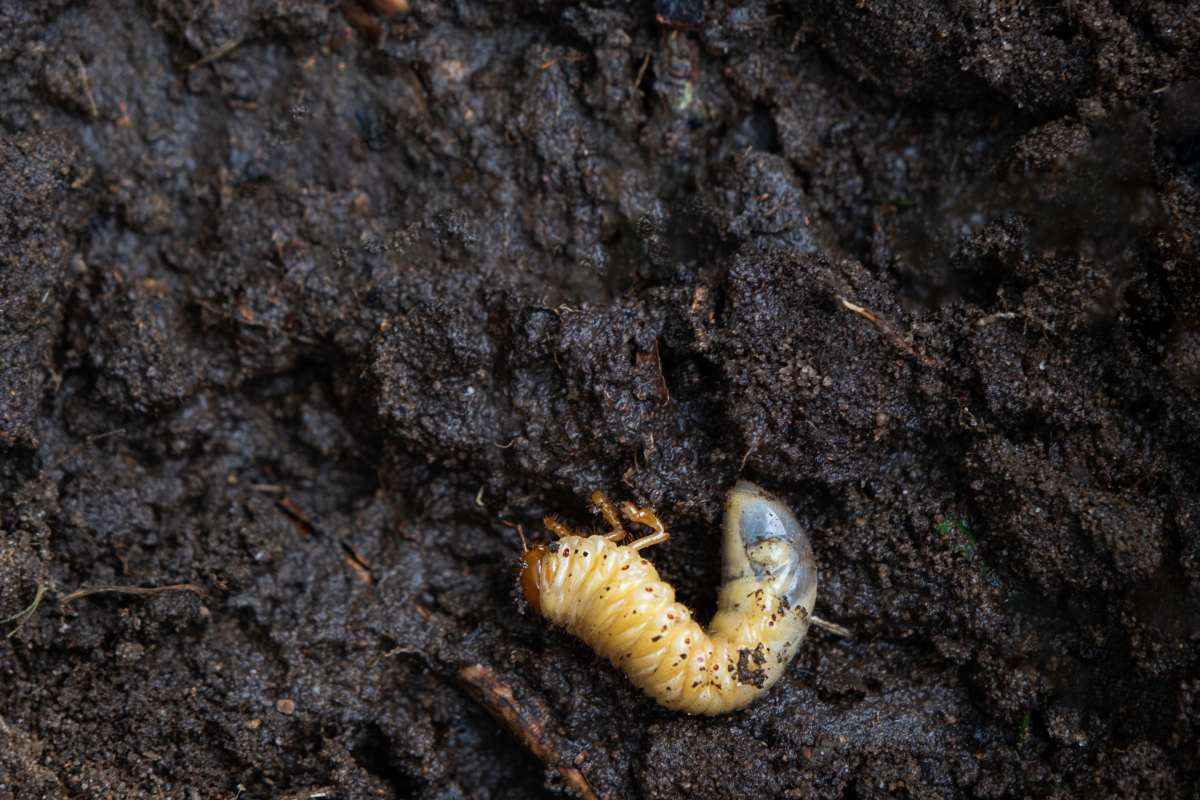
| Circular Patches | Fungus or Grubs | Fungicide or Pest Control |
| Yellowing Blades | Nutrient Deficiency | Iron or Nitrogen Fertiliser |
| Brittle/Easily Pulled | Dead Grass | Dethatch and Overseed |
If parts of your lawn are truly dead, you’ll need to overseed. Rake away the dead debris, spread new seed, and cover it with a thin layer of peat moss or topsoil. Keep the area consistently moist until the new “green” takes hold.
Restoring a lawn takes patience. By focusing on deep hydration, soil health, and proper maintenance, you can transform a brittle brown yard back into a resilient, green oasis.
A View Turf