
Home » Buffalo Grass Greening and Maintenance
Get one of our team members to give you a call to discuss your project!
Buffalo grass is the “underdog” of the turf world. Native to the North American Great Plains, it is celebrated for its incredible drought tolerance, low maintenance requirements, and rugged persistence. However, because it is a warm-season grass with a naturally fine texture and a blue-green hue, many homeowners find themselves frustrated when it turns a dusty straw colour during the heat of summer or the chill of winter.
If you want a lawn that looks more like an emerald carpet and less like a dry prairie, you need to work with the grass’s biology rather than against it. Here is how to maximise the green in your buffalo grass.
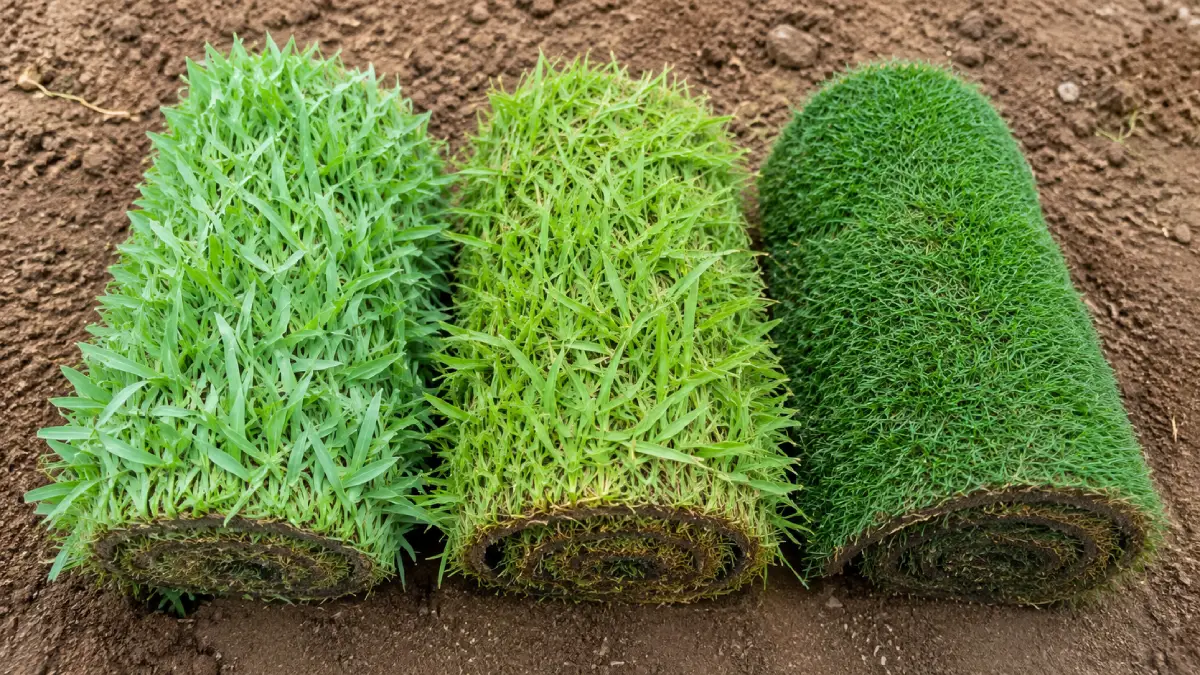
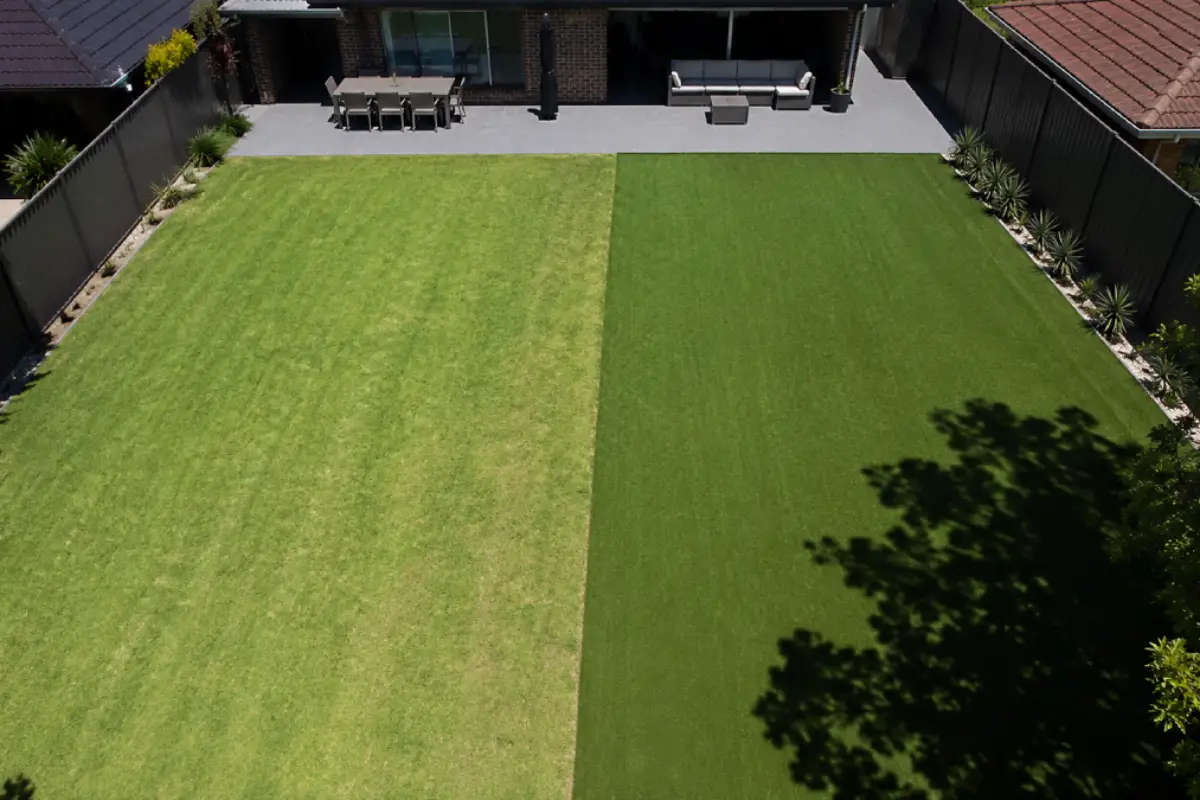
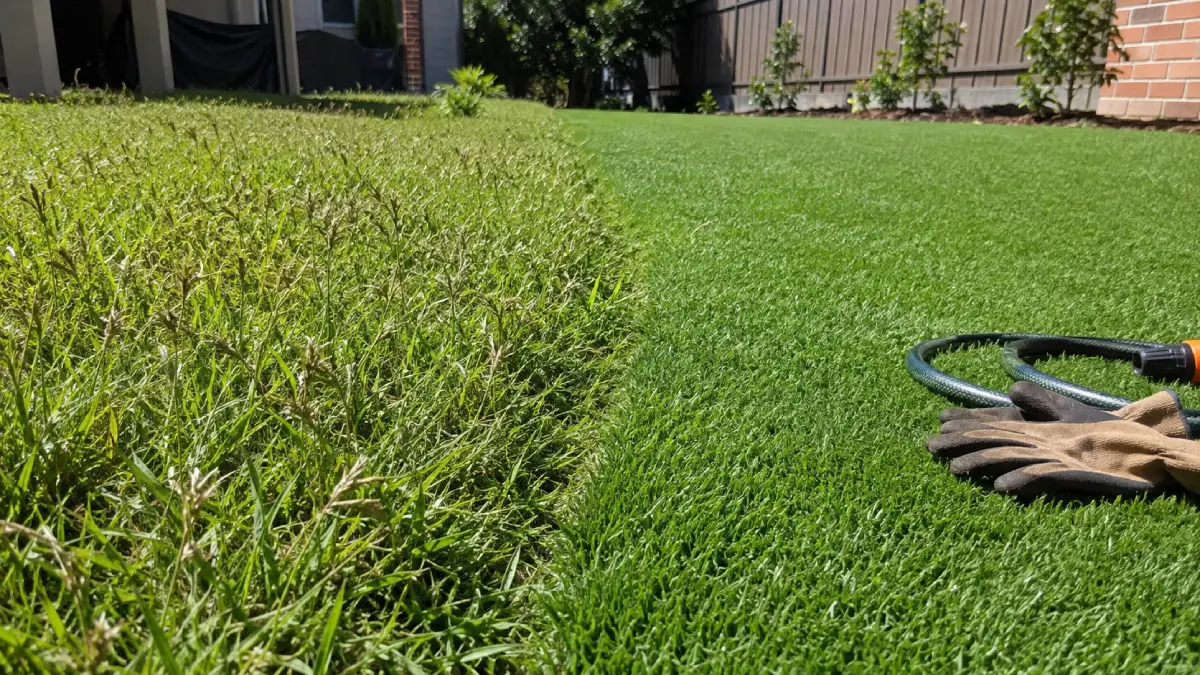
Buffalo grass is famous for surviving without supplemental water, but “surviving” and “looking lush” are two different things. In the absence of rain, buffalo grass will enter a semi-dormant state to protect itself, turning tan or brown.
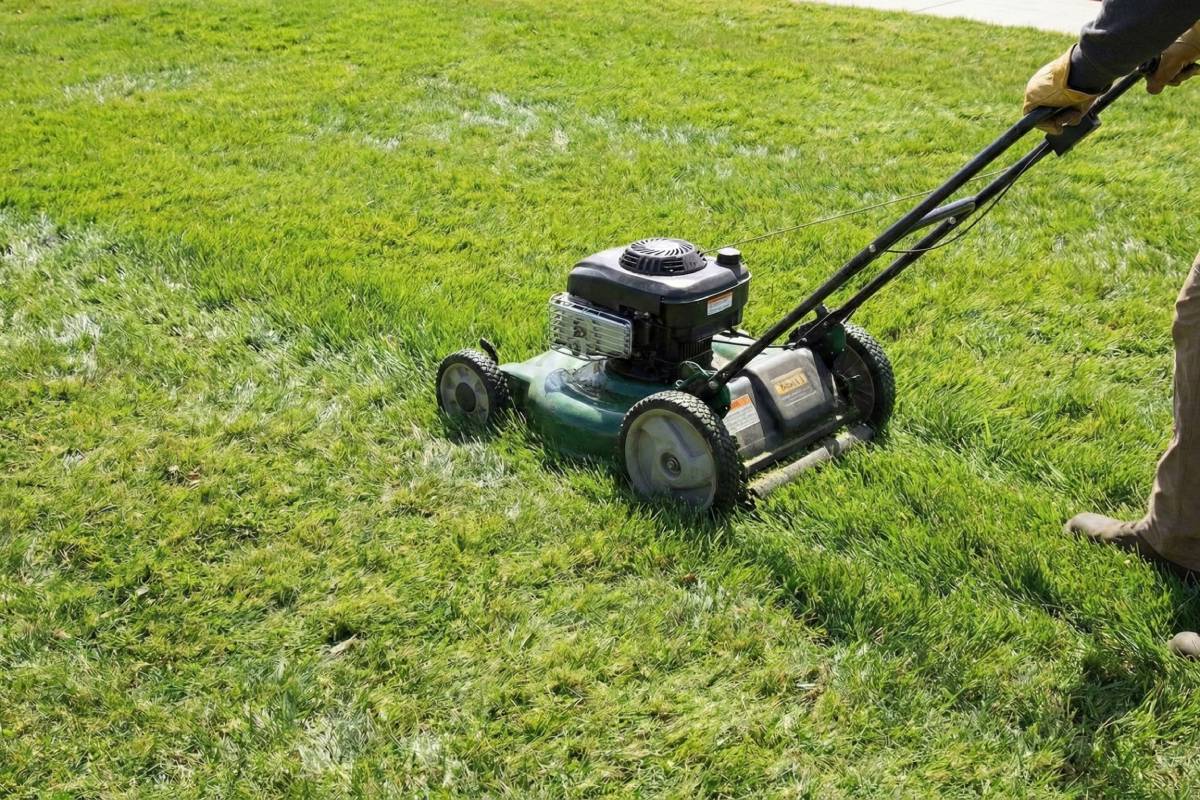
One of the easiest ways to lose the green colour is to mow too short. Buffalo grass thrives when it has more leaf surface area to perform photosynthesis.
Buffalo grass is a light feeder. Over-fertilising is actually one of the most common ways to ruin a buffalo grass lawn, as it encourages weed growth and excessive thatch.
Get one of our team members to contact you and discuss your options!
Because buffalo grass is not as dense as Kentucky Bluegrass or Bermuda, weeds can easily poke through. A weed-infested lawn looks patchy and brown.
Buffalo grass will naturally go dormant and turn brown after the first hard frost. No amount of water or fertiliser will change this biological clock. If you cannot stand the winter brown, many professional landscapers recommend turf paint.
These organic, non-toxic dyes are specifically designed for dormant warm-season grasses. They provide an instant, natural-looking green that lasts for several months until the grass wakes up again in the spring.
Making buffalo grass green is a balancing act. It requires resisting the urge to treat it like a thirsty cool-season grass while providing just enough support to keep it from retreating into dormancy. By focusing on deep watering, higher mowing heights, and modest fertilisation, you can enjoy a hardy, eco-friendly lawn that looks as good as it feels.
A View Turf